Australia to end tariffs on all Indian exports from January: Goyal
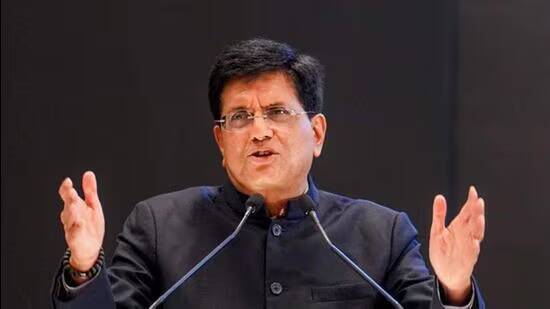
In a significant development that is expected to boost bilateral trade between India and Australia, Commerce Minister Piyush Goyal announced that Australia will scrap tariffs on all Indian exports starting January 1, 2026. This move is part of the India-Australia Economic Cooperation and Trade Agreement (ECTA), which was signed three years ago. The agreement has been hailed as a major success, with Goyal stating that it has delivered sustained export growth, deeper market access, and stronger supply-chain resilience.
As per the ECTA, 100% of Australian tariff lines will be zero-duty for Indian exports, effective January 1, 2026. This means that Indian exporters will no longer have to pay tariffs on any goods they export to Australia, making their products more competitive in the Australian market. The move is expected to give a significant boost to Indian exports, particularly in sectors such as textiles, leather, and pharmaceuticals.
Goyal made the announcement on the third anniversary of the ECTA, highlighting the successes of the agreement. “The agreement has delivered sustained export growth, deeper market access, and stronger supply-chain resilience,” he stated. The minister also expressed his satisfaction with the progress made under the agreement, saying that it has exceeded expectations.
The ECTA was signed on April 2, 2022, with the aim of increasing trade between the two countries. The agreement provides for the elimination of tariffs on a wide range of goods, including textiles, leather, and pharmaceuticals. It also provides for the reduction of tariffs on other goods, such as machinery and electronics.
The elimination of tariffs on Indian exports is expected to have a significant impact on the Indian economy. According to estimates, India’s exports to Australia could increase by as much as 20% in the next year, with the removal of tariffs. This would not only boost India’s export growth but also create new job opportunities in sectors such as manufacturing and logistics.
The move is also expected to strengthen the bilateral relationship between India and Australia. The two countries have been working closely to increase trade and investment, and the ECTA has been a major step in this direction. The agreement has also paved the way for greater cooperation in areas such as education, tourism, and innovation.
The elimination of tariffs on Indian exports is not the only benefit of the ECTA. The agreement also provides for the reduction of non-tariff barriers, such as regulatory hurdles and paperwork. This would make it easier for Indian exporters to access the Australian market, and would also reduce the costs associated with exporting goods.
In addition to the benefits for Indian exporters, the ECTA is also expected to benefit Australian businesses. The agreement provides for the elimination of tariffs on Australian exports to India, which would make Australian goods more competitive in the Indian market. This would increase trade between the two countries, and would also create new opportunities for Australian businesses.
The success of the ECTA has also paved the way for further trade agreements between India and other countries. The Indian government has been actively pursuing trade agreements with other countries, including the European Union and the United Kingdom. These agreements are expected to further increase India’s trade and investment, and would help to promote economic growth and development.
In conclusion, the announcement by Commerce Minister Piyush Goyal that Australia will scrap tariffs on all Indian exports starting January 1, 2026, is a significant development that is expected to boost bilateral trade between India and Australia. The move is part of the India-Australia Economic Cooperation and Trade Agreement (ECTA), which has been hailed as a major success. The agreement has delivered sustained export growth, deeper market access, and stronger supply-chain resilience, and is expected to create new opportunities for Indian exporters and Australian businesses.
About the Author