Australia to end tariffs on all Indian exports from January: Goyal
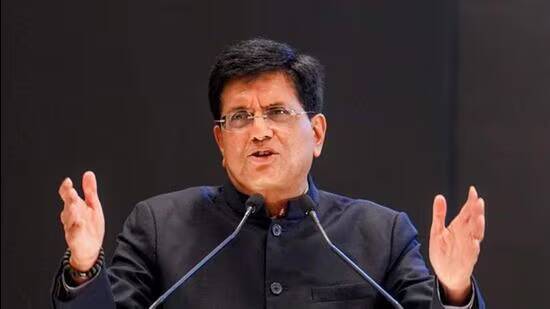
In a significant development that is expected to boost India’s exports to Australia, Commerce Minister Piyush Goyal has announced that Australia will eliminate tariffs on all Indian exports starting January 1, 2026. This move is part of the India-Australia Economic Cooperation and Trade Agreement (ECTA), which was signed three years ago. The agreement has already shown promising results, with sustained export growth, deeper market access, and stronger supply-chain resilience.
Speaking on the third anniversary of the ECTA, Goyal stated that 100% of Australian tariff lines will be zero-duty for Indian exports, effective January 1, 2026. This means that Indian exporters will no longer have to pay tariffs on any of their products exported to Australia, making them more competitive in the Australian market. The elimination of tariffs is expected to increase India’s exports to Australia, which will have a positive impact on the country’s economy.
The India-Australia ECTA was signed on April 2, 2022, with the aim of strengthening economic ties between the two countries. The agreement has been instrumental in promoting trade and investment between India and Australia, with both countries benefiting from the deal. Since the signing of the agreement, India’s exports to Australia have shown significant growth, with a substantial increase in the export of goods such as textiles, leather products, and pharmaceuticals.
The elimination of tariffs on all Indian exports to Australia is a major milestone in the ECTA. It will make Indian products more competitive in the Australian market, allowing them to compete with products from other countries on a level playing field. This is expected to lead to an increase in India’s exports to Australia, which will have a positive impact on the country’s trade balance.
The ECTA has also facilitated the growth of Indian businesses in Australia, with many Indian companies setting up operations in the country. The agreement has also made it easier for Australian companies to invest in India, with several Australian companies investing in various sectors such as infrastructure, education, and healthcare.
The Commerce Minister’s announcement has been welcomed by the Indian export community, which sees the elimination of tariffs as a major opportunity to increase exports to Australia. The move is also expected to create new jobs and stimulate economic growth in India.
In addition to the elimination of tariffs, the ECTA has also simplified customs procedures and reduced regulatory barriers, making it easier for Indian exporters to access the Australian market. The agreement has also provided for cooperation in areas such as trade facilitation, customs cooperation, and mutual recognition of standards.
The India-Australia ECTA is a significant step towards strengthening economic ties between the two countries. The agreement has shown promising results, with sustained export growth, deeper market access, and stronger supply-chain resilience. The elimination of tariffs on all Indian exports to Australia is a major milestone in the agreement, and it is expected to take the economic relationship between the two countries to the next level.
As India and Australia continue to strengthen their economic ties, the ECTA is expected to play a major role in promoting trade and investment between the two countries. The agreement has the potential to increase India’s exports to Australia, create new jobs, and stimulate economic growth in India.
In conclusion, the announcement by Commerce Minister Piyush Goyal that Australia will eliminate tariffs on all Indian exports starting January 1, 2026, is a significant development that is expected to boost India’s exports to Australia. The move is part of the India-Australia Economic Cooperation and Trade Agreement (ECTA), which has already shown promising results. The elimination of tariffs is expected to make Indian products more competitive in the Australian market, leading to an increase in India’s exports to Australia and a positive impact on the country’s economy.
About the Author