Australia to end tariffs on all Indian exports from January: Goyal
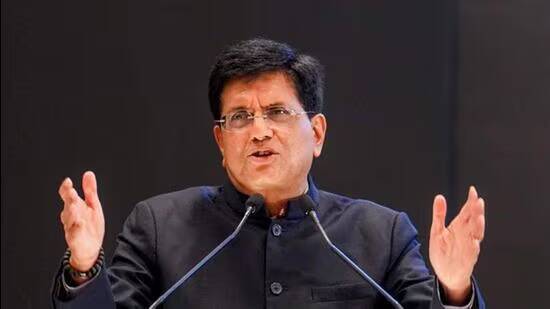
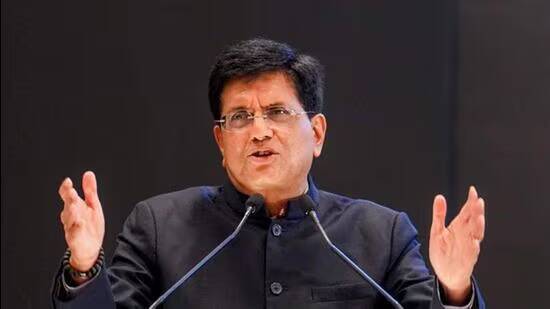
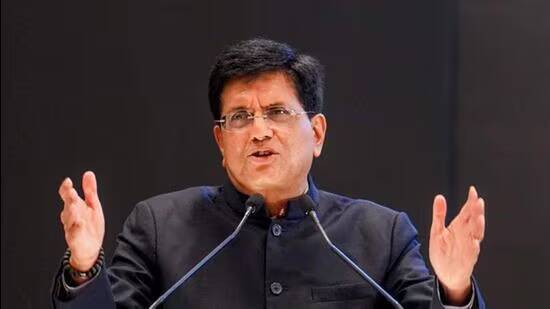
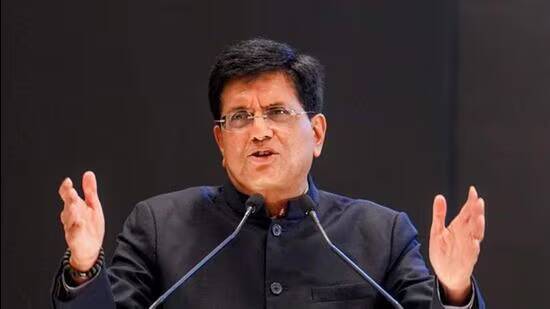
In a significant development that is expected to boost India’s exports to Australia, Commerce Minister Piyush Goyal announced that 100% of Australian tariff lines will be zero-duty for Indian exports, starting January 1, 2026. This move is part of the India-Australia Economic Cooperation and Trade Agreement (ECTA), which was signed three years ago. The announcement was made by Goyal on the third anniversary of the deal, highlighting the agreement’s success in delivering sustained export growth, deeper market access, and stronger supply-chain resilience.
The India-Australia ECTA is a landmark agreement that aims to strengthen economic ties between the two countries. The agreement has been instrumental in increasing trade between India and Australia, with both countries benefiting from the preferential market access provided by the deal. The elimination of tariffs on all Indian exports to Australia is a major milestone in the implementation of the ECTA, and it is expected to further boost India’s exports to Australia.
Under the ECTA, Australia has agreed to eliminate tariffs on 100% of its tariff lines for Indian exports, effective January 1, 2026. This means that Indian exporters will no longer have to pay duties on their exports to Australia, making their products more competitive in the Australian market. The move is expected to benefit a wide range of Indian industries, including textiles, pharmaceuticals, and agriculture.
The elimination of tariffs on Indian exports to Australia is a significant development, as it will make Indian products more competitive in the Australian market. Australian consumers will also benefit from the move, as they will have access to a wider range of Indian products at competitive prices. The increased trade between the two countries is expected to create new job opportunities and stimulate economic growth in both India and Australia.
Goyal’s announcement highlights the success of the ECTA in delivering sustained export growth, deeper market access, and stronger supply-chain resilience. The agreement has been instrumental in increasing trade between India and Australia, with bilateral trade between the two countries growing significantly since the signing of the deal. The elimination of tariffs on all Indian exports to Australia is a major milestone in the implementation of the ECTA, and it is expected to further boost India’s exports to Australia.
The India-Australia ECTA is a comprehensive agreement that covers a wide range of areas, including trade in goods and services, investment, and economic cooperation. The agreement aims to promote economic cooperation between the two countries and to increase trade and investment between them. The deal also provides for the elimination of tariffs on a wide range of products, making it easier for Indian exporters to access the Australian market.
The elimination of tariffs on all Indian exports to Australia is a significant development, as it will make Indian products more competitive in the Australian market. Indian exporters will no longer have to pay duties on their exports to Australia, making it easier for them to compete with other exporters in the Australian market. The move is expected to benefit a wide range of Indian industries, including textiles, pharmaceuticals, and agriculture.
In addition to the elimination of tariffs, the ECTA also provides for the reduction of non-tariff barriers to trade between the two countries. The agreement aims to promote economic cooperation between India and Australia and to increase trade and investment between them. The deal also provides for the establishment of a joint committee to oversee the implementation of the agreement and to resolve any disputes that may arise.
The India-Australia ECTA is a landmark agreement that has the potential to boost economic ties between the two countries. The elimination of tariffs on all Indian exports to Australia is a significant development, as it will make Indian products more competitive in the Australian market. The move is expected to benefit a wide range of Indian industries, including textiles, pharmaceuticals, and agriculture.
In conclusion, the announcement by Commerce Minister Piyush Goyal that Australia will end tariffs on all Indian exports from January 1, 2026, is a significant development that is expected to boost India’s exports to Australia. The move is part of the India-Australia ECTA, which aims to strengthen economic ties between the two countries. The elimination of tariffs on all Indian exports to Australia will make Indian products more competitive in the Australian market, and it is expected to benefit a wide range of Indian industries.
The success of the ECTA in delivering sustained export growth, deeper market access, and stronger supply-chain resilience is a testament to the effectiveness of the agreement. The deal has been instrumental in increasing trade between India and Australia, with bilateral trade between the two countries growing significantly since the signing of the deal. The elimination of tariffs on all Indian exports to Australia is a major milestone in the implementation of the ECTA, and it is expected to further boost India’s exports to Australia.
As the India-Australia ECTA continues to evolve, it is expected to play an increasingly important role in promoting economic cooperation between the two countries. The agreement has the potential to boost economic ties between India and Australia, and it is expected to create new job opportunities and stimulate economic growth in both countries.
About the Author