Asia’s Largest Undersea Gold Deposit Discovered
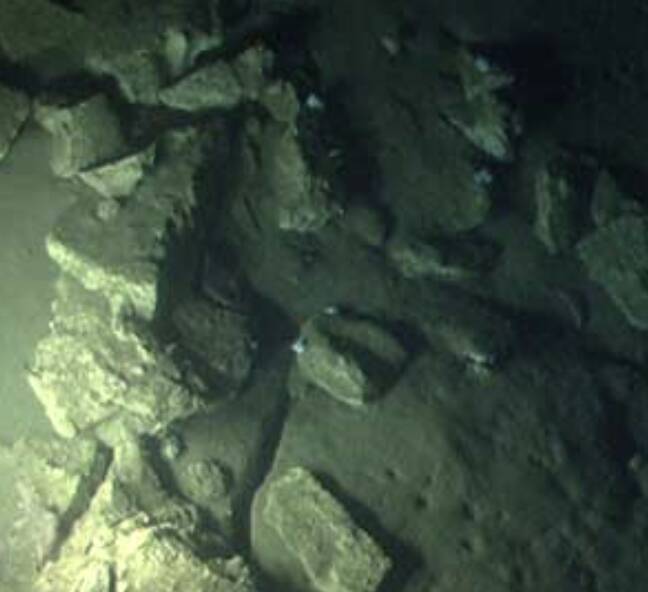
In a significant breakthrough, China has made a historic discovery of the largest undersea gold deposit in Asia, located off the coast of Laizhou, in Yantai, Shandong province. This monumental find has sent shockwaves of excitement throughout the mining industry, and its implications are expected to be far-reaching. According to reports, the discovery has lifted Laizhou’s total proven gold reserves to a staggering 3,900 tonnes, cementing China’s position as a global leader in gold production.
The discovery of this undersea gold deposit is a testament to China’s relentless pursuit of natural resources and its commitment to advancing its mining capabilities. As the world’s largest producer of gold ore, China has consistently pushed the boundaries of gold exploration and extraction. With an output of 377 tonnes, China has maintained its position as the world’s largest gold-producing nation, and this latest discovery is expected to further solidify its dominance in the industry.
The undersea gold deposit, discovered off the coast of Laizhou, is a significant find, not only because of its massive size but also due to its potential to unlock new avenues for gold exploration and extraction. The discovery is a result of extensive research and exploration efforts by Chinese mining companies, which have been actively searching for new gold deposits in the region. The use of advanced technologies, such as seismic surveys and drilling equipment, has enabled the discovery of this vast undersea gold reserve, which is expected to be a game-changer for the industry.
The implications of this discovery are multifaceted and far-reaching. Firstly, it is expected to have a significant impact on the global gold market, as the increased supply of gold from this undersea deposit is likely to influence gold prices and market trends. Secondly, the discovery is expected to create new opportunities for mining companies, both domestic and international, to explore and extract gold from this vast undersea reserve. This, in turn, is likely to lead to the creation of new jobs, stimulation of local economies, and increased investment in the mining sector.
Furthermore, the discovery of this undersea gold deposit is also expected to have significant environmental implications. As with any mining operation, there are concerns about the potential impact on marine ecosystems and the environment. However, Chinese authorities have assured that the extraction process will be carried out with utmost care and consideration for the environment, using advanced technologies and sustainable practices to minimize the impact on the marine ecosystem.
The discovery of Asia’s largest undersea gold deposit is a significant milestone for China, and it highlights the country’s growing prowess in the mining industry. As the world’s largest producer of gold ore, China has consistently demonstrated its ability to explore, extract, and process gold with remarkable efficiency. This latest discovery is a testament to China’s commitment to advancing its mining capabilities and its determination to remain a global leader in the industry.
In conclusion, the discovery of Asia’s largest undersea gold deposit off the coast of Laizhou, in Yantai, Shandong province, is a historic breakthrough that is expected to have far-reaching implications for the mining industry, the global gold market, and the environment. As China continues to push the boundaries of gold exploration and extraction, it is likely to remain a dominant player in the industry, driving growth, innovation, and investment in the mining sector.
About the Author