Asia’s Largest Undersea Gold Deposit Discovered
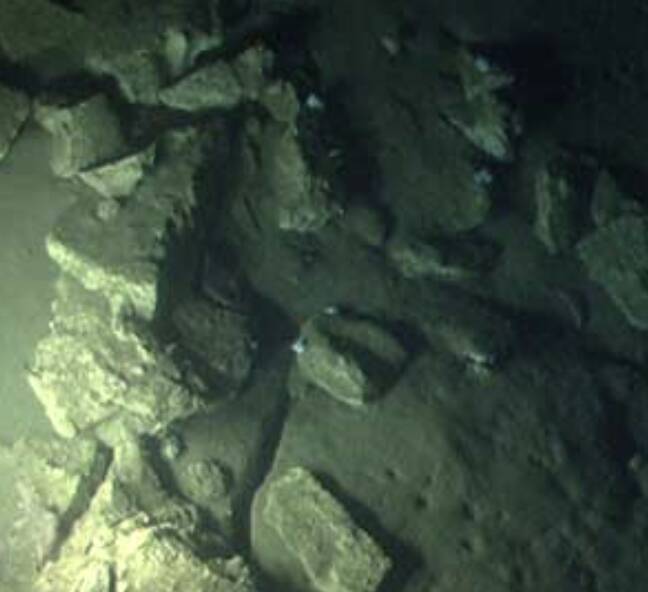
In a groundbreaking discovery, China has unearthed its first undersea gold deposit, which is also the largest in Asia, off the coast of Laizhou, in Yantai, Shandong province. This remarkable find has sent shockwaves of excitement throughout the mining industry, and the country’s economic landscape is expected to reap significant benefits from this treasure trove. The discovery has lifted Laizhou’s total proven gold reserves to a staggering 3,900 tonnes, cementing China’s position as a gold mining powerhouse.
China is no stranger to gold mining, being the world’s largest producer of gold ore, with an impressive output of 377 tonnes. The country’s gold mining industry has been experiencing rapid growth, driven by advances in technology, increased investment, and a strong demand for the precious metal. The discovery of this undersea gold deposit is a testament to China’s commitment to exploring and harnessing its vast natural resources.
The undersea gold deposit, located off the coast of Laizhou, is a significant find, with estimates suggesting that it could contain vast amounts of gold ore. The deposit is believed to be situated at a depth of approximately 2,000 meters, which poses significant technical challenges for extraction. However, Chinese mining companies are confident in their ability to overcome these hurdles, leveraging cutting-edge technology and expertise to bring the gold to the surface.
The discovery of this undersea gold deposit is expected to have a profound impact on the local economy, with Laizhou poised to become a major hub for gold mining activity. The increased economic activity is likely to create new job opportunities, stimulate local businesses, and contribute to the overall growth and development of the region. Furthermore, the discovery is expected to attract significant investment, both domestically and internationally, as companies seek to capitalize on the vast potential of this undersea treasure trove.
The Chinese government has been actively promoting the development of its gold mining industry, recognizing the significant economic benefits that it can bring. The government has implemented policies aimed at encouraging investment, improving infrastructure, and enhancing the regulatory framework to support the growth of the industry. The discovery of this undersea gold deposit is a major coup for the government’s efforts, and it is expected to play a significant role in driving economic growth and development in the region.
The implications of this discovery extend beyond China’s borders, with the global gold mining industry likely to take notice of this significant find. The discovery of such a large undersea gold deposit is a reminder of the vast untapped resources that exist beneath the world’s oceans. As technology continues to advance, it is likely that we will see more discoveries of this nature, which could potentially reshape the global gold mining landscape.
In conclusion, the discovery of Asia’s largest undersea gold deposit off the coast of Laizhou, in Yantai, Shandong province, is a significant milestone for China’s gold mining industry. The find has the potential to drive economic growth, create new job opportunities, and cement China’s position as a major player in the global gold mining industry. As the country continues to explore and harness its vast natural resources, it is likely that we will see more discoveries of this nature, which will have far-reaching implications for the global economy.
The discovery of this undersea gold deposit is a testament to China’s commitment to innovation, investment, and exploration. As the country continues to push the boundaries of what is possible, it is likely that we will see more breakthroughs in the mining industry, which will have a profound impact on the global economy. For now, the discovery of this undersea gold deposit is a significant achievement, and one that is likely to be remembered for years to come.
About the Author