Asia’s largest undersea gold deposit discovered
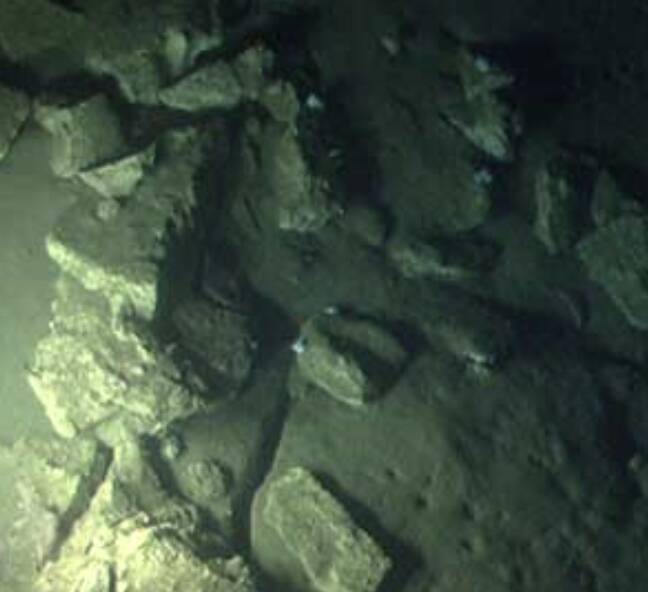
In a groundbreaking discovery, China has unearthed its first undersea gold deposit, which is also the largest in Asia, off the coast of Laizhou, in Yantai, Shandong province. This monumental find has sent shockwaves throughout the mining industry and has significant implications for the global gold market. The discovery has lifted Laizhou’s total proven gold reserves to more than 3,900 tonnes, cementing China’s position as a major player in the gold production sector.
According to reports, the undersea gold deposit is located approximately 2,000 meters below the surface of the ocean, making it a challenging and complex extraction process. However, the potential rewards are substantial, with estimates suggesting that the deposit contains a vast amount of gold, rivaling some of the largest gold mines on land. The discovery is a testament to China’s commitment to exploring and harnessing its natural resources, and it is expected to have a significant impact on the country’s economy.
China is already the world’s largest producer of gold ore, with output reaching 377 tonnes in recent years. The discovery of this undersea gold deposit is expected to further boost the country’s gold production, potentially surpassing other major gold-producing countries such as Australia and the United States. The increased gold production will not only benefit China’s economy but also have a significant impact on the global gold market, potentially influencing gold prices and trade.
The discovery of the undersea gold deposit is also a significant technological achievement, demonstrating China’s capabilities in deep-sea mining and exploration. The extraction process is expected to be complex and challenging, requiring the use of advanced technologies and equipment. However, the potential rewards are substantial, and the discovery is expected to pave the way for further exploration and development of undersea mineral resources.
The location of the undersea gold deposit, off the coast of Laizhou, is also significant. Laizhou is a major port city in Shandong province, with a long history of maritime trade and commerce. The discovery of the gold deposit is expected to boost the local economy, creating new job opportunities and stimulating economic growth. The city’s infrastructure and transportation links will also be upgraded to support the extraction and transportation of the gold, further enhancing the local economy.
The discovery of Asia’s largest undersea gold deposit is also expected to have significant environmental implications. Deep-sea mining is a relatively new and untested industry, and there are concerns about the potential impact on marine ecosystems. The extraction process is expected to be carefully monitored and regulated, with measures in place to minimize the environmental impact. However, the discovery also highlights the need for further research and development of sustainable and environmentally friendly mining practices.
In conclusion, the discovery of Asia’s largest undersea gold deposit off the coast of Laizhou, in Yantai, Shandong province, is a significant milestone for China’s mining industry. The discovery has lifted Laizhou’s total proven gold reserves to more than 3,900 tonnes, cementing China’s position as a major player in the gold production sector. The extraction process is expected to be complex and challenging, but the potential rewards are substantial. The discovery is also a testament to China’s commitment to exploring and harnessing its natural resources, and it is expected to have a significant impact on the global gold market.
As the world’s largest producer of gold ore, China is well-positioned to take advantage of this discovery. The country’s gold production is expected to increase significantly, potentially surpassing other major gold-producing countries. The discovery is also expected to have significant implications for the global gold market, potentially influencing gold prices and trade.
In the coming years, it will be interesting to see how China develops and extracts the undersea gold deposit. The country’s commitment to sustainable and environmentally friendly mining practices will be closely watched, and the discovery is expected to pave the way for further exploration and development of undersea mineral resources.
About the Author