Asia’s Largest Undersea Gold Deposit Discovered
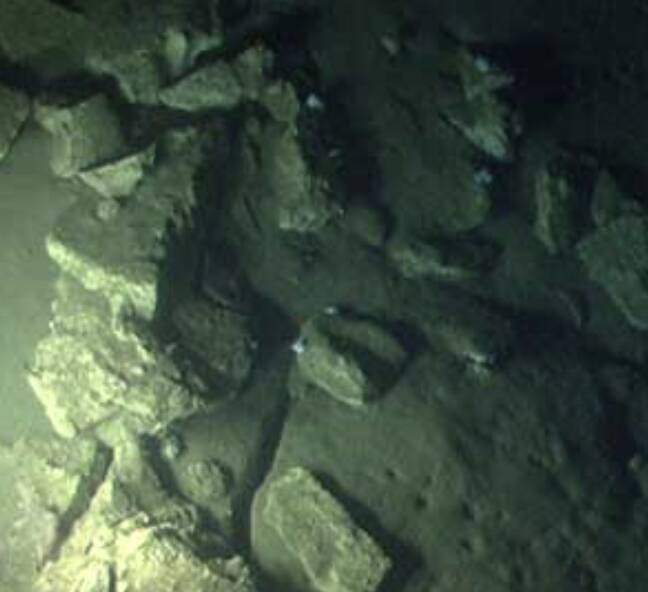
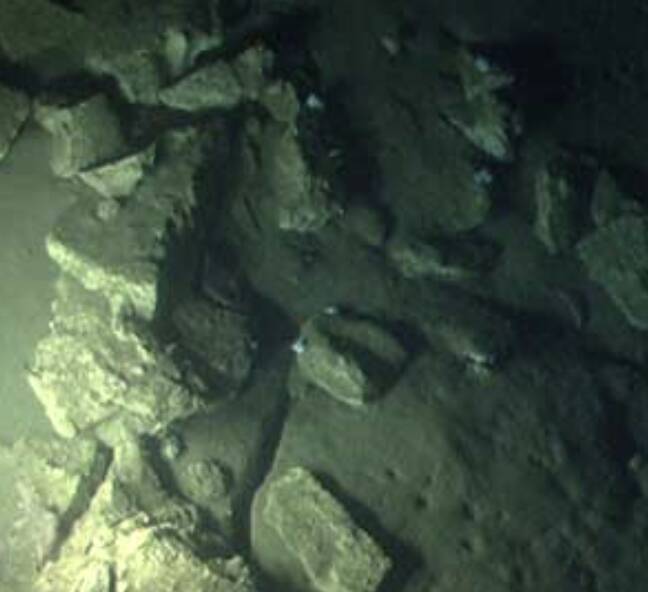
In a groundbreaking discovery, China has unearthed its first undersea gold deposit, which is also the largest in Asia, off the coast of Laizhou, in Yantai, Shandong province. This monumental find has sent shockwaves throughout the mining industry and has significant implications for the global gold market. According to reports, the discovery has lifted Laizhou’s total proven gold reserves to more than 3,900 tonnes, cementing China’s position as a major player in the gold mining sector.
The undersea gold deposit, located in the coastal waters of Laizhou, is a game-changer for China’s gold mining industry. The country is already the world’s largest producer of gold ore, with output reaching 377 tonnes. This new discovery is expected to further boost China’s gold production, potentially leading to an increase in its global market share. The implications of this find are far-reaching, and it is likely to have a significant impact on the global gold market, potentially affecting gold prices and trade dynamics.
The discovery of the undersea gold deposit is a testament to China’s advancements in mining technology and its commitment to exploring new frontiers in the industry. The country has been actively investing in research and development, aimed at improving its mining capabilities and increasing its mineral reserves. This latest discovery is a result of these efforts, and it highlights China’s determination to remain a leader in the global mining sector.
The undersea gold deposit is located in an area known for its rich mineral resources. Laizhou, in Yantai, Shandong province, has long been recognized as a significant gold-producing region in China. The discovery of this undersea deposit has not only increased the region’s gold reserves but has also opened up new opportunities for exploration and mining in the area. It is likely that further discoveries will be made in the region, potentially leading to an increase in gold production and economic growth.
The discovery of the undersea gold deposit has also sparked interest in the potential for similar finds in other parts of Asia. The region is known for its rich mineral resources, and it is likely that other countries will follow China’s lead in exploring their own undersea deposits. This could lead to a new wave of gold discoveries in the region, potentially transforming the global gold market and leading to increased economic cooperation and competition among Asian nations.
The economic implications of this discovery are significant. Gold is a highly valued commodity, and an increase in supply can have a major impact on global markets. The discovery of the undersea gold deposit is likely to lead to an increase in gold production, potentially affecting gold prices and trade dynamics. This could have far-reaching consequences for the global economy, particularly for countries that rely heavily on gold exports.
In addition to the economic implications, the discovery of the undersea gold deposit also raises environmental concerns. Mining operations, particularly those in sensitive ecosystems like the ocean, can have significant environmental impacts. The extraction of gold from the undersea deposit will require careful planning and execution to minimize the risk of environmental damage. It is essential that the Chinese government and mining companies prioritize environmental sustainability and ensure that the mining operations are carried out in a responsible and environmentally friendly manner.
In conclusion, the discovery of Asia’s largest undersea gold deposit off the coast of Laizhou, in Yantai, Shandong province, is a significant milestone for China’s gold mining industry. The find has lifted Laizhou’s total proven gold reserves to more than 3,900 tonnes, cementing China’s position as a major player in the global gold market. The implications of this discovery are far-reaching, with potential impacts on the global gold market, trade dynamics, and the environment. As China continues to explore and develop its mineral resources, it is essential that the country prioritizes environmental sustainability and responsible mining practices.
About the Author