Asia’s Largest Undersea Gold Deposit Discovered
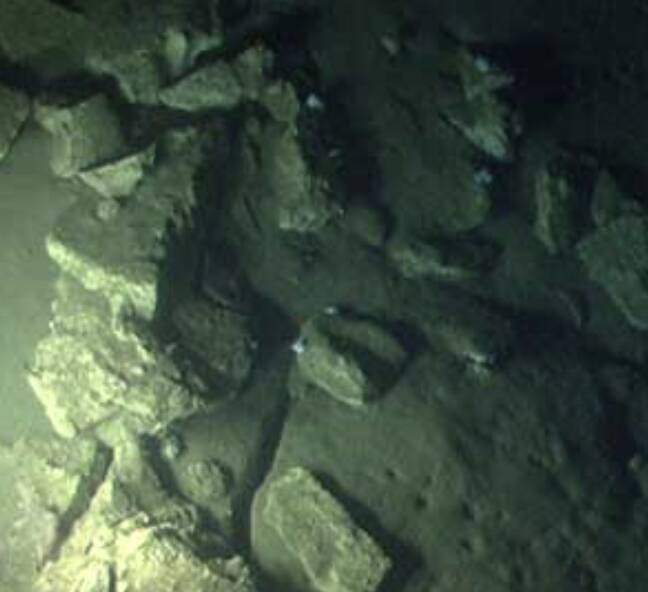
In a groundbreaking discovery, China has announced the finding of its first undersea gold deposit, which is also the largest in Asia. The deposit is located off the coast of Laizhou, in Yantai, Shandong province, and is expected to significantly boost the country’s gold reserves. This monumental discovery has sent shockwaves throughout the mining industry, with many experts hailing it as a game-changer for China’s gold production.
According to reports, the undersea gold deposit is estimated to contain a massive 3,900 tonnes of gold, lifting Laizhou’s total proven gold reserves to an unprecedented level. This discovery is a testament to China’s commitment to exploring and harnessing its natural resources, and is expected to cement the country’s position as the world’s largest producer of gold ore. In 2022, China’s gold output reached an impressive 377 tonnes, solidifying its position as a global leader in gold production.
The discovery of the undersea gold deposit is a result of extensive exploration efforts by Chinese mining companies, which have been scouring the country’s coastal regions for new gold reserves. The use of advanced technology and equipment has enabled miners to explore deeper and more remote areas, leading to the discovery of this massive undersea deposit. The find is not only significant for China but also for the global gold market, as it is expected to increase the global gold supply and potentially impact gold prices.
The undersea gold deposit is located at a depth of approximately 2,000 meters, making it a challenging and complex operation to extract the gold. However, Chinese mining companies are confident that they have the expertise and technology to overcome these challenges and bring the gold to the surface. The extraction process is expected to be a lengthy and costly one, but the potential rewards are significant, with the deposit estimated to be worth billions of dollars.
The discovery of the undersea gold deposit is also expected to have a significant impact on the local economy, with the creation of new jobs and investment opportunities. The city of Laizhou is expected to experience a surge in economic growth, as the gold mining industry expands and develops. The local government has already announced plans to invest in infrastructure and facilities to support the mining operation, including the construction of new roads, ports, and processing facilities.
China’s gold mining industry has experienced significant growth in recent years, driven by government support and investment in the sector. The country has implemented policies to encourage gold exploration and production, including tax breaks and subsidies for mining companies. The discovery of the undersea gold deposit is a direct result of these efforts, and is expected to further boost the country’s gold production in the coming years.
The discovery of Asia’s largest undersea gold deposit is a significant milestone for China’s mining industry, and is expected to have far-reaching implications for the global gold market. As the world’s largest producer of gold ore, China is well-positioned to capitalize on this discovery and further consolidate its position as a global leader in gold production. With the gold mining industry expected to continue growing in the coming years, China is poised to remain at the forefront of this sector, driving innovation and investment in gold exploration and production.
In conclusion, the discovery of Asia’s largest undersea gold deposit off the coast of Laizhou, in Yantai, Shandong province, is a monumental finding that is expected to have a significant impact on China’s gold production and the global gold market. With the country’s gold output already at an all-time high, this discovery is set to further boost China’s position as the world’s largest producer of gold ore. As the mining industry continues to evolve and grow, China is well-positioned to remain at the forefront of this sector, driving innovation and investment in gold exploration and production.
About the Author