Asia’s Largest Undersea Gold Deposit Discovered
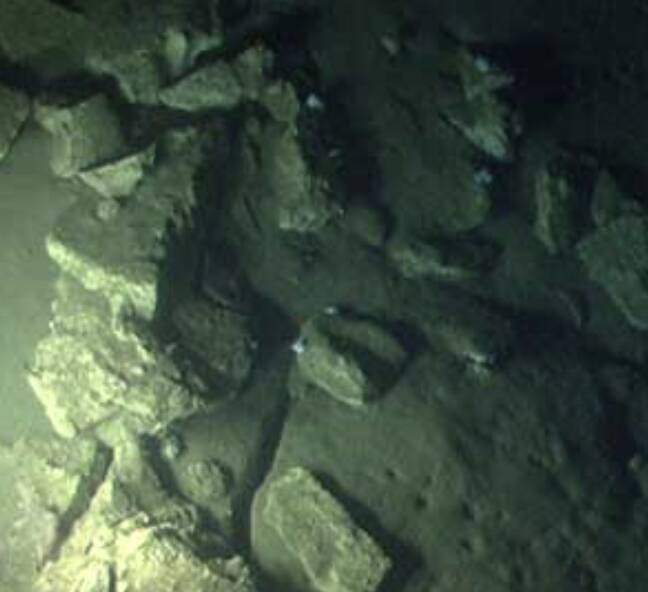
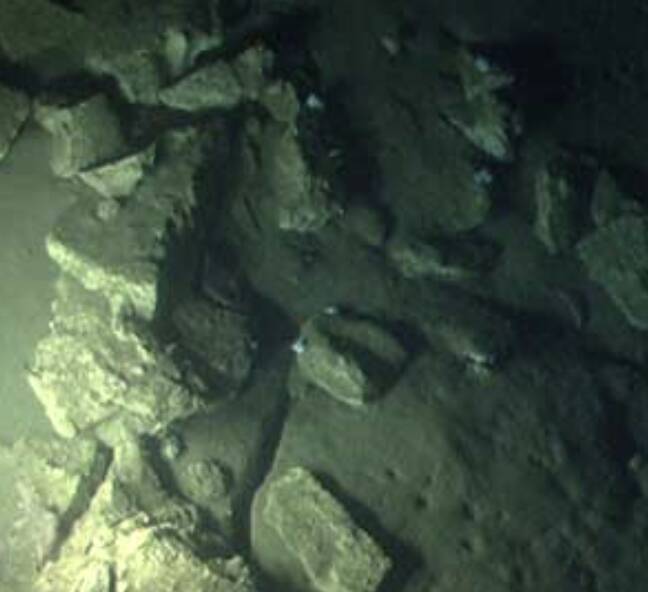
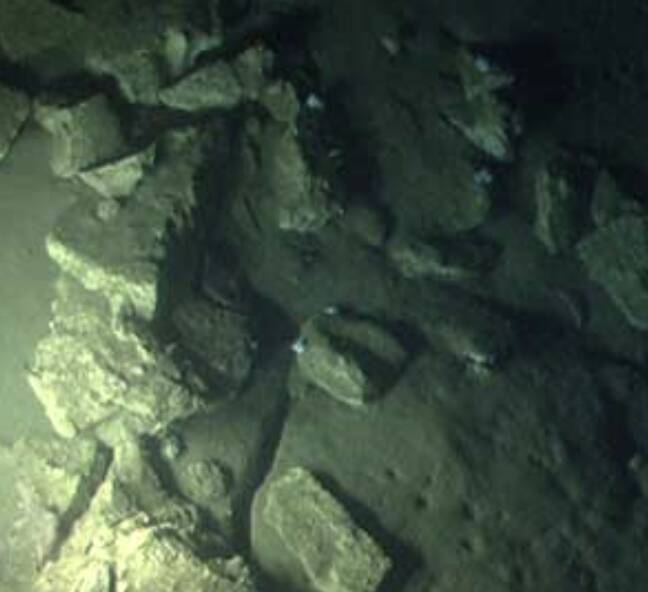
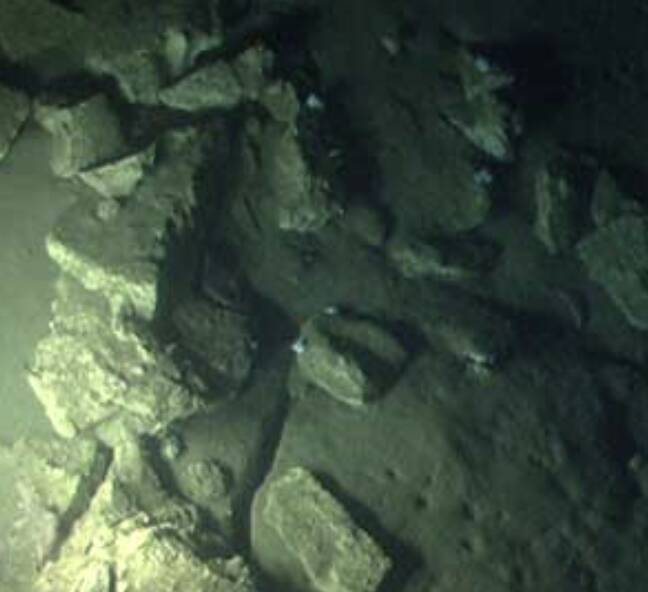
In a groundbreaking discovery, China has made a significant breakthrough in the field of gold mining by uncovering its first undersea gold deposit, which is also the largest in Asia. The deposit is located off the coast of Laizhou, in Yantai, Shandong province, and is expected to have a profound impact on the country’s gold reserves. According to reports, the discovery has lifted Laizhou’s total proven gold reserves to more than 3,900 tonnes, a staggering amount that is set to cement China’s position as the world’s largest producer of gold ore.
The discovery of the undersea gold deposit is a significant milestone for China, which has been actively exploring its maritime territory for mineral resources in recent years. The country’s efforts have been driven by its desire to reduce its dependence on foreign imports and to boost its domestic economy. With this latest discovery, China is poised to become an even more major player in the global gold market, with far-reaching implications for the industry as a whole.
The undersea gold deposit is located at a depth of approximately 2,000 meters below the surface of the sea, making it a challenging and complex operation to extract the gold. However, Chinese officials are confident that the discovery has the potential to be a game-changer for the country’s gold mining industry, and are already making plans to begin extraction operations in the near future.
China’s gold mining industry has been experiencing rapid growth in recent years, driven by increasing demand for gold both domestically and internationally. The country’s gold output has been steadily increasing, with production reaching 377 tonnes in 2020, making it the world’s largest producer of gold ore. The discovery of the undersea gold deposit is expected to further boost production, with estimates suggesting that it could add an additional 100 tonnes to China’s annual gold output.
The significance of the discovery cannot be overstated, as it has the potential to not only boost China’s economy but also to reshape the global gold market. The discovery of such a large undersea gold deposit is a rare occurrence, and it is likely to attract significant attention from investors and industry experts around the world. As news of the discovery spreads, it is likely to have a positive impact on the global gold price, as investors and traders become increasingly optimistic about the prospects for the industry.
The discovery of the undersea gold deposit is also a testament to China’s commitment to investing in its mining industry, and its determination to become a major player in the global market. The country has been actively promoting its mining sector in recent years, with a focus on developing new technologies and improving efficiency. The discovery of the undersea gold deposit is a direct result of these efforts, and it demonstrates the country’s ability to innovate and adapt to changing market conditions.
In addition to its economic significance, the discovery of the undersea gold deposit also has important implications for the environment. The extraction of gold from undersea deposits is a complex and challenging process, and it requires careful planning and management to minimize the impact on the marine ecosystem. Chinese officials have already begun to develop plans for the extraction of the gold, with a focus on ensuring that the operation is carried out in a sustainable and environmentally responsible manner.
As the news of the discovery spreads, it is likely to attract significant attention from around the world. The discovery of such a large undersea gold deposit is a rare occurrence, and it is likely to be of interest to investors, industry experts, and environmentalists alike. As the world watches with bated breath, it is clear that the discovery of Asia’s largest undersea gold deposit is set to have far-reaching implications for the global gold market, and for the future of the mining industry as a whole.
In conclusion, the discovery of Asia’s largest undersea gold deposit off the coast of Laizhou, in Yantai, Shandong province, is a significant milestone for China’s gold mining industry. With its total proven gold reserves now exceeding 3,900 tonnes, China is poised to become an even more major player in the global gold market. The discovery is a testament to China’s commitment to investing in its mining industry, and its determination to become a major player in the global market. As the world watches with interest, it is clear that the discovery of the undersea gold deposit is set to have far-reaching implications for the global gold market, and for the future of the mining industry as a whole.
About the Author