Asia’s Largest Undersea Gold Deposit Discovered
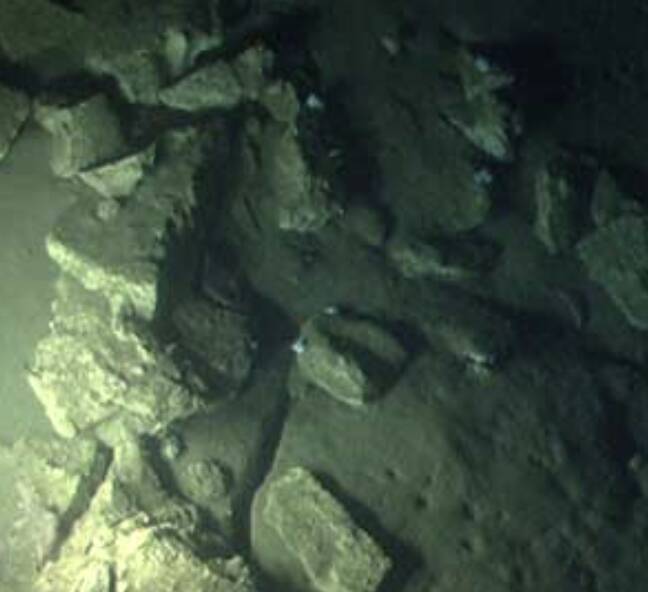
In a groundbreaking discovery, China has unearthed its first undersea gold deposit, which is also the largest in Asia, off the coast of Laizhou, in Yantai, Shandong province. This monumental find has sent shockwaves of excitement throughout the mining industry, and its implications are being closely watched by experts and investors alike. The discovery has lifted Laizhou’s total proven gold reserves to a staggering 3,900 tonnes, cementing China’s position as a major player in the global gold market.
China is already the world’s largest producer of gold ore, with an output of 377 tonnes, and this latest discovery is expected to further solidify its dominance in the industry. The undersea gold deposit, located off the coast of Laizhou, is a significant find, not only because of its size but also due to its potential to unlock new avenues for gold exploration and extraction in the region.
The discovery of the undersea gold deposit is a testament to China’s commitment to exploring and harnessing its vast natural resources. The country has been actively investing in mining and exploration activities, both on land and at sea, in an effort to diversify its economy and reduce its reliance on imported minerals. This latest find is a major breakthrough in China’s efforts to tap into its undersea mineral resources, which are believed to be vast and largely unexplored.
The undersea gold deposit is located in the Yellow Sea, off the coast of Laizhou, a city in Shandong province known for its rich gold deposits. The deposit is estimated to be around 2,000 square kilometers in size, making it one of the largest undersea gold deposits in the world. The gold reserves in the deposit are estimated to be worth billions of dollars, and its extraction is expected to provide a significant boost to the local economy.
The discovery of the undersea gold deposit has also sparked interest in the potential for other undersea mineral deposits in the region. China has been actively exploring its undersea resources, including copper, zinc, and iron ore, and this latest find is expected to accelerate these efforts. The country’s mining industry is expected to play a major role in the extraction of these resources, with state-owned companies and private enterprises already lining up to stake their claim.
The extraction of gold from the undersea deposit is expected to be a complex and challenging process. The deposit is located at a depth of around 1,000 meters, and the extraction process will require specialized equipment and technology. However, the potential rewards are significant, and Chinese mining companies are already working on developing the necessary technologies to extract the gold.
The discovery of the undersea gold deposit is also expected to have significant implications for the global gold market. China is already the world’s largest consumer of gold, and the discovery of this new deposit is expected to increase the country’s gold reserves and reduce its reliance on imported gold. This could have a significant impact on the global gold price, which has been volatile in recent years.
In addition to its economic implications, the discovery of the undersea gold deposit also has significant environmental implications. The extraction of gold from the deposit will require careful planning and management to minimize its impact on the marine ecosystem. The Chinese government has already announced plans to implement strict environmental regulations to ensure that the extraction process is carried out in a responsible and sustainable manner.
In conclusion, the discovery of Asia’s largest undersea gold deposit off the coast of Laizhou, in Yantai, Shandong province, is a significant find that is expected to have far-reaching implications for the global gold market. China’s commitment to exploring and harnessing its natural resources has paid off, and this latest discovery is a testament to the country’s growing dominance in the mining industry. As the extraction of gold from the undersea deposit begins, it will be important to monitor the environmental and economic implications of this discovery, and to ensure that the extraction process is carried out in a responsible and sustainable manner.
About the Author