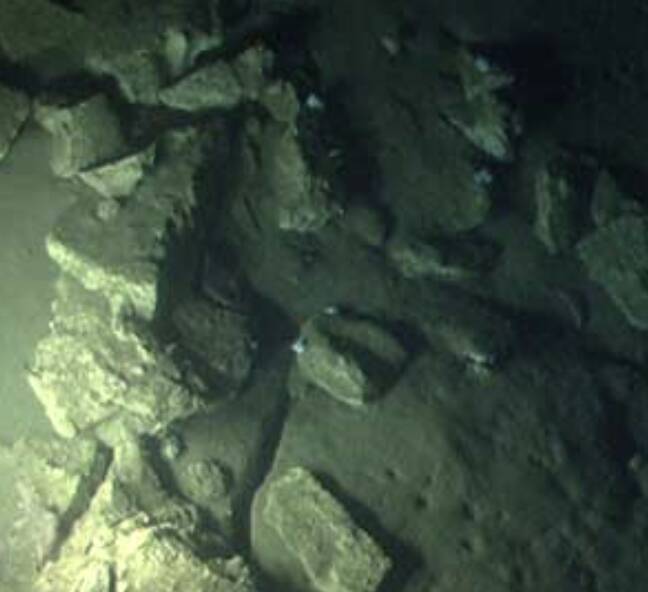
Asia’s Largest Undersea Gold Deposit Discovered
In a groundbreaking discovery, China has unearthed its first undersea gold deposit, which is also the largest in Asia, off the coast of Laizhou, in Yantai, Shandong province. This remarkable find has sent shockwaves of excitement throughout the mining industry, and its implications are expected to be far-reaching. The discovery has lifted Laizhou’s total proven gold reserves to a staggering 3,900 tonnes, cementing China’s position as a major player in the global gold market.
China is already the world’s largest producer of gold ore, with an output of 377 tonnes, and this latest discovery is expected to further bolster its dominance in the industry. The undersea gold deposit is a significant find, not only because of its size but also due to its location. The fact that it is situated off the coast of Laizhou, in the Shandong province, highlights the potential for further discoveries in the region.
The discovery of this undersea gold deposit is a testament to China’s commitment to exploring and developing its natural resources. The country has been actively engaged in maritime exploration and mining activities in recent years, and this find is a direct result of those efforts. The use of advanced technology and equipment has enabled Chinese mining companies to explore and extract resources from the seabed, which was previously a challenging and costly endeavor.
The implications of this discovery are significant, not only for China but also for the global gold market. The increased supply of gold is expected to have a stabilizing effect on prices, which could lead to a decrease in the cost of gold-based products. This, in turn, could have a positive impact on industries such as jewelry manufacturing, electronics, and dentistry, which rely heavily on gold.
Furthermore, the discovery of this undersea gold deposit is expected to create new opportunities for employment and economic growth in the region. The mining industry is a significant contributor to the local economy, and the development of this deposit is expected to attract investment and create new jobs. The increased economic activity is also expected to have a positive impact on the local community, with new infrastructure and amenities being developed to support the mining operations.
The discovery of Asia’s largest undersea gold deposit is also a significant milestone for the mining industry as a whole. It highlights the potential for undersea mining and the importance of exploring and developing new sources of natural resources. As the global demand for gold and other minerals continues to grow, the need to explore and develop new sources of supply becomes increasingly important.
In recent years, there has been a growing interest in undersea mining, with several countries and companies exploring the potential for extracting resources from the seabed. The discovery of this undersea gold deposit is a significant step forward in this field and is expected to pave the way for further discoveries and developments.
In conclusion, the discovery of Asia’s largest undersea gold deposit off the coast of Laizhou, in Yantai, Shandong province, is a significant find that is expected to have far-reaching implications for the mining industry and the global gold market. The increased supply of gold is expected to stabilize prices, create new opportunities for employment and economic growth, and highlight the potential for undersea mining. As the world’s largest producer of gold ore, China is well-positioned to take advantage of this discovery and further solidify its position in the global gold market.
About the Author