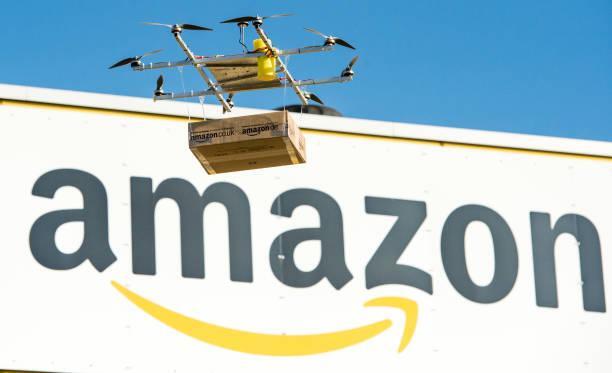
Amazon faces second FAA probe after delivery drone cuts cable
In a recent incident, Amazon’s delivery drone, the MK30, has come under scrutiny after it cut an internet cable while ascending from a customer’s yard in Waco, Texas. This incident has prompted a second investigation by the Federal Aviation Administration (FAA), which is currently looking into the matter. According to Amazon, the drone shut off and landed itself after the incident, and fortunately, no injuries or major outages occurred.
The MK30 drone is part of Amazon’s Prime Air delivery system, which aims to provide fast and efficient delivery of packages to customers. The drone is designed to navigate through the air and land safely in a customer’s yard, but in this case, it appears to have malfunctioned and caused damage to the internet cable.
The incident is not an isolated one, as Amazon is already facing a separate investigation by the FAA and the National Transportation Safety Board (NTSB) into two Prime Air drones that hit a crane in Arizona. This previous incident raises concerns about the safety and reliability of Amazon’s delivery drone system, and the latest incident in Texas only adds to these concerns.
The FAA has strict regulations in place for the operation of drones, including those used for delivery purposes. The agency requires drone operators to follow specific guidelines and protocols to ensure safe operation and minimize the risk of accidents. In this case, it appears that Amazon’s drone may have failed to follow these guidelines, resulting in the damage to the internet cable.
Amazon has stated that it is cooperating fully with the FAA investigation and is conducting its own internal review of the incident. The company has also apologized for any inconvenience caused to customers and has assured them that it is taking steps to prevent such incidents in the future.
The use of drones for delivery purposes is still a relatively new and evolving field, and incidents like this highlight the need for continued development and refinement of safety protocols. As more companies begin to use drones for delivery, it is essential that they prioritize safety and take steps to minimize the risk of accidents.
The incident in Texas also raises questions about the potential impact of drone delivery on local infrastructure. In this case, the drone damaged an internet cable, which could have resulted in significant disruptions to internet services in the area. As drone delivery becomes more widespread, it is essential that companies like Amazon work with local authorities and infrastructure providers to ensure that their operations do not interfere with critical services.
In addition to the FAA investigation, Amazon may also face scrutiny from local authorities and regulators. The company may be required to provide additional information about its drone delivery system and the measures it has in place to prevent accidents. This could include details about the drone’s design, testing, and operation, as well as information about the training and certification of drone operators.
The long-term implications of this incident are still unclear, but it is likely that it will have a significant impact on the development of Amazon’s drone delivery system. The company may be forced to re-evaluate its safety protocols and make changes to its operations to minimize the risk of accidents. This could include the implementation of additional safety features, such as enhanced navigation systems or emergency shutdown procedures.
In conclusion, the incident in Texas highlights the need for continued development and refinement of safety protocols for drone delivery systems. As companies like Amazon push the boundaries of what is possible with drone technology, it is essential that they prioritize safety and take steps to minimize the risk of accidents. The FAA investigation and any subsequent actions will be closely watched by regulators, industry experts, and the public, as they will have significant implications for the future of drone delivery.
About the Author