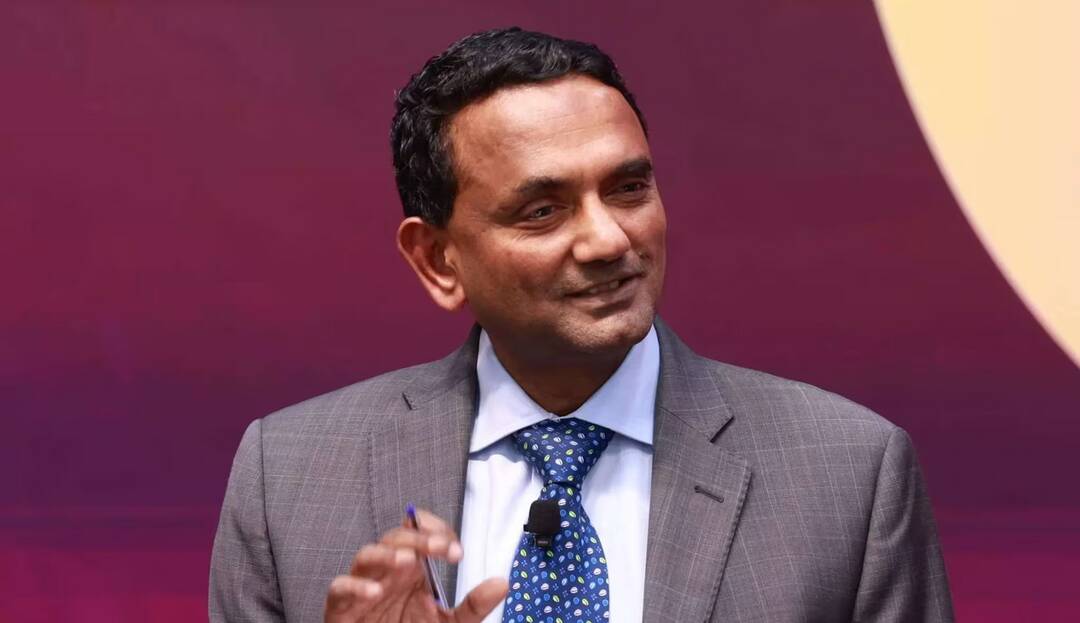
95% of AI pilots fail to deliver meaningful efficiency: TCS CEO
The increasing adoption of Artificial Intelligence (AI) in businesses has been a topic of discussion for several years. Many organizations have invested heavily in AI pilots, hoping to reap the benefits of increased efficiency and productivity. However, according to K Krithivasan, CEO of Tata Consultancy Services (TCS), a staggering 95% of these AI pilots have failed to deliver meaningful efficiency.
Citing research, Krithivasan claimed that the majority of enterprise AI pilots have not been able to provide measurable value to their organizations. This is a concerning statistic, especially considering the significant resources and investments that companies have poured into these initiatives. The question on everyone’s mind is, what is going wrong?
Krithivasan’s statement comes at a time when the world is looking ahead to 2026, and the impact of AI is becoming more apparent. As he noted, “As we look ahead to 2026, a clearer picture of AI’s impact is emerging.” The TCS CEO believes that this emerging picture reveals a new form of organizational intelligence, where humans and machines work together to shape decision-making processes.
According to Krithivasan, this new form of organizational intelligence is characterized by the combination of human and machine capabilities. He explained, “We are witnessing…a new form of organisational intelligence, where combinations of humans and machines shape how choices are developed, presented and discussed.” This collaborative approach is expected to revolutionize the way businesses operate, enabling them to make more informed decisions and drive growth.
So, why have 95% of AI pilots failed to deliver meaningful efficiency? There are several reasons that contribute to this statistic. One major reason is the lack of a clear strategy and vision for AI adoption. Many organizations have jumped into AI without a well-defined plan, leading to a lack of direction and focus. Additionally, the absence of adequate data and infrastructure can hinder the success of AI initiatives.
Another significant challenge is the shortage of skilled talent and expertise in AI. Developing and implementing AI solutions requires specialized knowledge and skills, which are often in short supply. Furthermore, the integration of AI with existing systems and processes can be a complex and time-consuming task, requiring significant investments of time and resources.
To overcome these challenges and ensure the success of AI initiatives, Krithivasan highlighted five core principles. These principles include:
- Define a clear strategy and vision: Organizations must have a well-defined plan and vision for AI adoption, aligning with their business goals and objectives.
- Develop a robust data infrastructure: Adequate data and infrastructure are essential for the success of AI initiatives, enabling the development of accurate models and insights.
- Build a skilled talent pool: Organizations must invest in developing the skills and expertise of their workforce, ensuring they have the necessary knowledge and capabilities to develop and implement AI solutions.
- Foster a culture of innovation: A culture of innovation and experimentation is critical for the success of AI initiatives, enabling organizations to test new ideas and approaches.
- Ensure integration with existing systems: AI solutions must be integrated with existing systems and processes, ensuring seamless interactions and minimizing disruptions.
By following these principles, organizations can increase their chances of success and deliver meaningful efficiency through their AI initiatives. As Krithivasan noted, the future of AI is emerging, and it is characterized by the collaboration of humans and machines. By embracing this new form of organizational intelligence, businesses can drive growth, improve decision-making, and stay ahead of the competition.
In conclusion, the failure of 95% of AI pilots to deliver meaningful efficiency is a concern that requires attention and action. By understanding the reasons behind this statistic and following the five core principles highlighted by Krithivasan, organizations can overcome the challenges and ensure the success of their AI initiatives. As we look ahead to 2026, it is essential to recognize the emerging picture of AI’s impact and the new form of organizational intelligence that is taking shape.
About the Author