95% of AI Pilots Fail to Deliver Meaningful Efficiency: TCS CEO
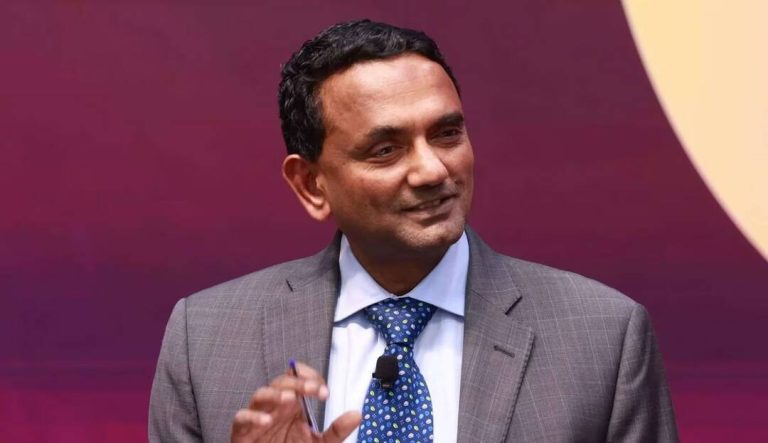
The world of artificial intelligence (AI) has been abuzz with excitement and promise, with many organizations investing heavily in AI pilots to improve efficiency and drive growth. However, according to Tata Consultancy Services (TCS) CEO K Krithivasan, the reality is quite different. Citing research, Krithivasan claimed that a staggering 95% of enterprise AI pilots have failed to deliver measurable value. This stark revelation has significant implications for businesses and organizations looking to harness the power of AI to drive success.
In a recent statement, Krithivasan noted, “As we look ahead to 2026, a clearer picture of AI’s impact is emerging.” He added, “We are witnessing…a new form of organisational intelligence, where combinations of humans and machines shape how choices are developed, presented and discussed.” This statement highlights the evolving nature of AI and its potential to transform the way organizations operate. However, the fact that 95% of AI pilots have failed to deliver meaningful efficiency raises important questions about the effectiveness of current AI strategies.
So, what is going wrong? Why are so many AI pilots failing to deliver on their promise? According to Krithivasan, the problem lies in the approach that many organizations take to implementing AI. Rather than simply throwing technology at a problem, organizations need to take a more nuanced and strategic approach to AI adoption. This involves understanding the specific challenges and opportunities that AI can address, and developing a clear plan for how to harness its power.
One of the key challenges that organizations face when implementing AI is the lack of a clear understanding of what they want to achieve. Many AI pilots are launched with vague goals and objectives, which can make it difficult to measure success. Additionally, AI requires significant investment in data and infrastructure, which can be a barrier for many organizations. Furthermore, the lack of skilled personnel and the need for ongoing maintenance and updates can also hinder the success of AI pilots.
To overcome these challenges, Krithivasan highlighted the importance of adopting a more strategic and principled approach to AI adoption. This involves developing a clear understanding of the organization’s goals and objectives, and identifying the specific challenges and opportunities that AI can address. It also requires investing in the right data and infrastructure, as well as developing the skills and capabilities needed to support AI adoption.
In addition to these strategic considerations, Krithivasan also emphasized the importance of adopting a human-centered approach to AI. This involves recognizing that AI is not a replacement for human judgment and decision-making, but rather a tool that can augment and support human capabilities. By combining the strengths of humans and machines, organizations can create a new form of organizational intelligence that is more effective and efficient than either humans or machines alone.
As we look ahead to 2026, it is clear that AI will continue to play a major role in shaping the future of business and society. However, to realize the full potential of AI, organizations need to take a more strategic and principled approach to its adoption. This involves developing a clear understanding of the opportunities and challenges that AI presents, and adopting a human-centered approach that recognizes the strengths and limitations of both humans and machines.
In conclusion, the fact that 95% of AI pilots have failed to deliver meaningful efficiency is a stark reminder of the challenges that organizations face when implementing AI. However, by adopting a more strategic and principled approach to AI adoption, organizations can overcome these challenges and unlock the full potential of AI. As Krithivasan noted, “We are witnessing…a new form of organisational intelligence, where combinations of humans and machines shape how choices are developed, presented and discussed.” By harnessing the power of AI in a way that is human-centered and strategic, organizations can create a brighter future for themselves and for society as a whole.
About the Author