95% of AI pilots fail to deliver meaningful efficiency: TCS CEO
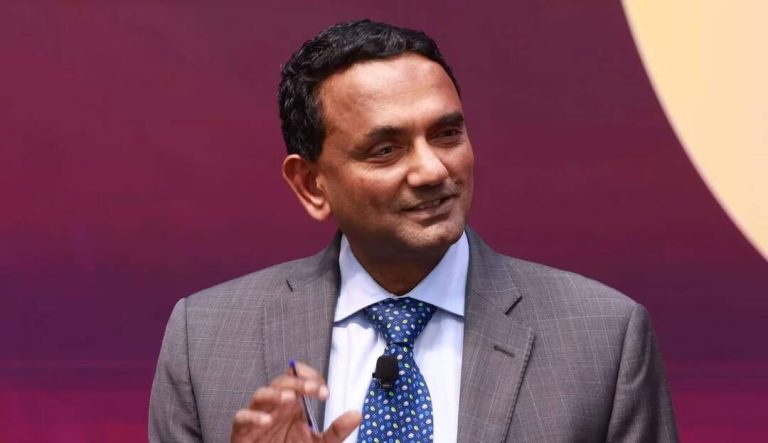
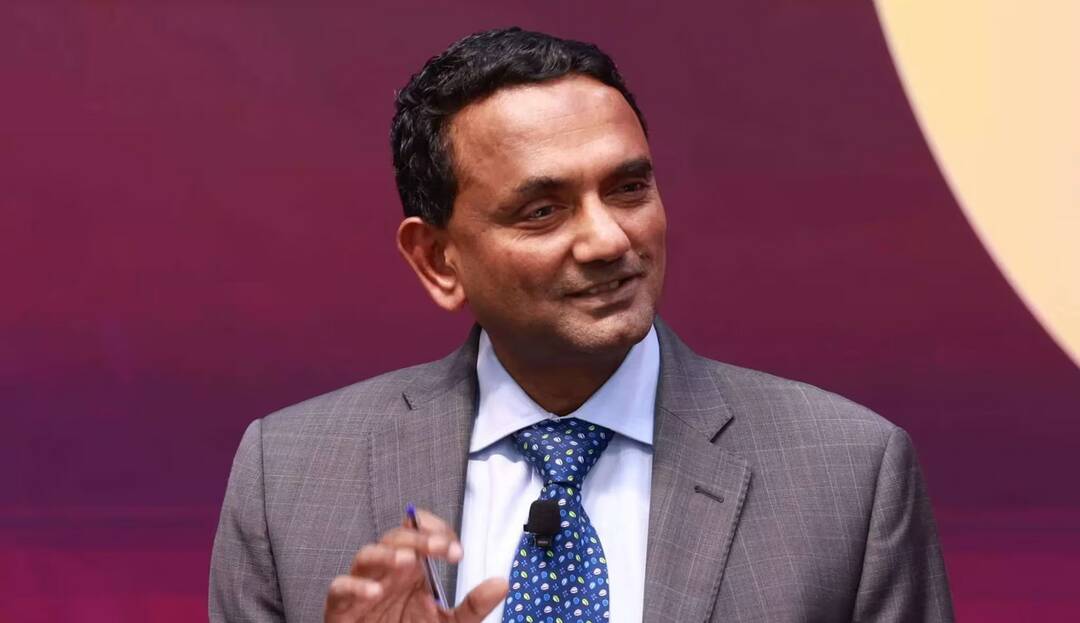
As we step into the new year, the world of artificial intelligence (AI) continues to evolve at a rapid pace. With numerous organizations investing heavily in AI pilots, the expectation is that these initiatives will yield significant efficiency gains and transform the way businesses operate. However, according to Tata Consultancy Services (TCS) CEO K Krithivasan, the reality is far from encouraging. Citing research, Krithivasan claimed that a staggering 95% of enterprise AI pilots have failed to deliver measurable value.
The statement, made by the TCS CEO, highlights the significant gap between the promise and actual delivery of AI pilots. Despite the hype surrounding AI, it appears that most organizations are struggling to derive meaningful benefits from their AI initiatives. This raises important questions about the effectiveness of current AI strategies and the need for a more nuanced approach to AI adoption.
“As we look ahead to 2026, a clearer picture of AI’s impact is emerging,” Krithivasan said, emphasizing the need for a more informed understanding of AI’s potential and limitations. He added, “We are witnessing…a new form of organisational intelligence, where combinations of humans and machines shape how choices are developed, presented and discussed.” This statement suggests that the future of AI lies not in replacing human intelligence, but in augmenting it with machine capabilities to create a more effective and efficient decision-making process.
The failure of AI pilots to deliver meaningful efficiency can be attributed to various factors. One of the primary reasons is the lack of a clear strategy and defined objectives. Many organizations embark on AI initiatives without a thorough understanding of what they hope to achieve, leading to a lack of focus and direction. Additionally, the absence of adequate data quality, insufficient talent, and inadequate infrastructure can also hinder the success of AI pilots.
To overcome these challenges, organizations need to adopt a more structured approach to AI adoption. This includes defining clear objectives, developing a robust data strategy, and investing in the right talent and infrastructure. Moreover, organizations must be willing to experiment, learn from their failures, and continuously adapt their AI strategies to achieve the desired outcomes.
Krithivasan’s statement also highlights the importance of human-machine collaboration in driving AI success. By combining the strengths of humans and machines, organizations can create a more effective decision-making process that leverages the best of both worlds. This approach recognizes that AI is not a replacement for human intelligence, but rather a tool that can augment and enhance human capabilities.
As we move forward in 2026, it is essential for organizations to re-evaluate their AI strategies and adopt a more informed approach to AI adoption. This includes recognizing the limitations of AI, defining clear objectives, and investing in the right talent and infrastructure. By doing so, organizations can unlock the true potential of AI and achieve meaningful efficiency gains that drive business success.
In conclusion, the statement made by TCS CEO K Krithivasan serves as a wake-up call for organizations to re-examine their AI strategies and adopt a more nuanced approach to AI adoption. By recognizing the challenges and limitations of AI, organizations can create a more effective and efficient decision-making process that combines the strengths of humans and machines. As we look ahead to 2026, it is essential for organizations to prioritize a more informed approach to AI adoption, one that balances the promise of AI with the realities of its implementation.
About the Author