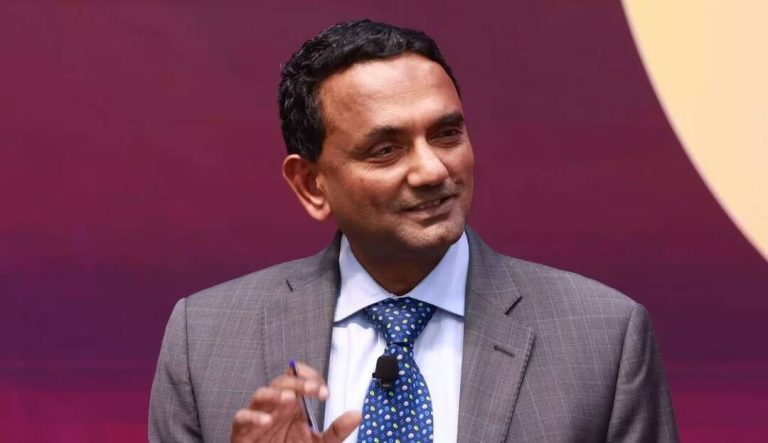
95% of AI pilots fail to deliver meaningful efficiency: TCS CEO
The world of Artificial Intelligence (AI) has been abuzz with excitement and promise, with many organizations investing heavily in AI pilots to revolutionize their operations. However, according to a startling claim made by TCS CEO K Krithivasan, a whopping 95% of these AI pilots have failed to deliver measurable value. This revelation is based on research and highlights the challenges that organizations face in harnessing the true potential of AI.
Krithivasan’s statement is a wake-up call for businesses that have been rushing to adopt AI without a clear understanding of its applications and limitations. As we look ahead to 2026, it is essential to reassess our approach to AI and focus on creating a more effective and efficient implementation strategy. The TCS CEO emphasized that a new form of organizational intelligence is emerging, where humans and machines collaborate to make informed decisions. This synergy is crucial for unlocking the true potential of AI and driving meaningful efficiency.
The failure of AI pilots to deliver measurable value can be attributed to several factors. One of the primary reasons is the lack of a clear understanding of the business problem that AI is intended to solve. Many organizations embark on AI projects without a well-defined objective, leading to a mismatch between expectations and outcomes. Additionally, the absence of a robust data infrastructure and inadequate training of AI models can also hinder the success of AI pilots.
To overcome these challenges, Krithivasan highlighted five core principles that organizations should adhere to when implementing AI. These principles are designed to help businesses create a more effective AI strategy and ensure that their AI pilots deliver meaningful efficiency.
Firstly, organizations must define a clear business problem that AI is intended to solve. This involves identifying specific pain points and areas where AI can add value. By doing so, businesses can ensure that their AI initiatives are aligned with their overall strategic objectives.
Secondly, it is essential to develop a robust data infrastructure that can support AI applications. This includes investing in high-quality data, creating a data governance framework, and ensuring that data is accessible and usable.
Thirdly, organizations must focus on building a strong AI talent pool. This involves hiring professionals with expertise in AI and machine learning, as well as providing training and upskilling opportunities for existing employees.
Fourthly, it is crucial to create a culture of experimentation and innovation. This involves encouraging a mindset of continuous learning and experimentation, where employees are empowered to try new approaches and learn from their mistakes.
Lastly, organizations must ensure that their AI initiatives are transparent, explainable, and fair. This involves developing AI models that are interpretable, ensuring that AI decisions are transparent, and addressing concerns related to bias and fairness.
By following these five core principles, organizations can increase the chances of success for their AI pilots and unlock the true potential of AI. As Krithivasan emphasized, the future of AI is not about replacing humans with machines, but about creating a new form of organizational intelligence where humans and machines collaborate to drive business value.
As we look ahead to 2026, it is clear that AI will continue to play a vital role in shaping the future of business. However, it is essential to approach AI with a clear understanding of its limitations and challenges. By doing so, organizations can create a more effective AI strategy that delivers meaningful efficiency and drives business success.
In conclusion, the failure of 95% of AI pilots to deliver measurable value is a stark reminder of the challenges that organizations face in harnessing the true potential of AI. However, by following the five core principles highlighted by Krithivasan, businesses can increase the chances of success for their AI initiatives and unlock the true potential of AI. As we embark on this journey, it is essential to remember that AI is not a replacement for human intelligence, but a powerful tool that can augment and enhance human capabilities.
About the Author