14,000 belongings of Air India crash victims still unaccounted for
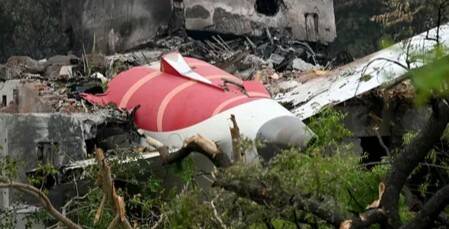
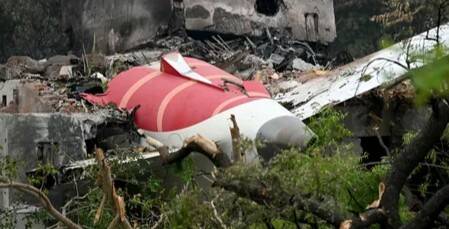
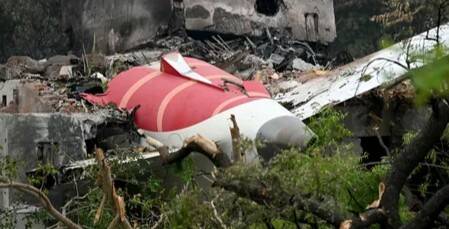
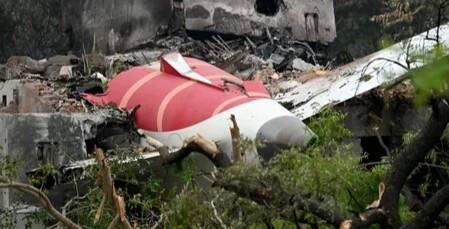
The tragic crash of Air India flight 171 in Ahmedabad has left an indelible mark on the lives of the families of the passengers who lost their lives in the accident. While the airline and the authorities have been working tirelessly to provide support and assistance to the affected families, a significant challenge remains in reuniting the personal belongings of the passengers with their loved ones. According to recent reports, out of the total 22,000 personal items recovered from the crash site, a staggering 14,000 items still remain unaccounted for, with no direct link to any passenger.
The sheer volume of personal items recovered from the crash site is a testament to the meticulous efforts of the authorities and the airline in collecting and cataloging every single item. However, the fact that nearly two-thirds of these items remain unassociated with any passenger is a sobering reminder of the scale of the tragedy and the complexity of the task at hand. The unassociated items include a wide range of personal belongings, such as clothing, jewelry, documents, and other personal effects, each of which holds sentimental value for the families of the passengers.
In an effort to reunite these belongings with their rightful owners, Air India has created a dedicated portal where families can view the listed items and choose whether to collect them in Ahmedabad or opt for courier delivery. This initiative is a welcome step towards providing closure to the families of the passengers and allowing them to reclaim a piece of their loved ones’ memory. The portal provides a detailed catalog of the unassociated items, complete with descriptions and photographs, enabling families to identify and claim their belongings with ease.
The process of reclaiming personal belongings is often an emotional and sensitive experience for families, and Air India’s efforts to facilitate this process are commendable. By providing a user-friendly portal and a range of options for collecting or receiving the belongings, the airline is demonstrating its commitment to supporting the families of the passengers and respecting their memories. The fact that families can choose to collect the items in person or receive them via courier delivery is a thoughtful touch, acknowledging the varying needs and circumstances of the families involved.
As families navigate the process of reclaiming their loved ones’ belongings, they will undoubtedly be confronted with a mix of emotions. The recovery of personal items can be a poignant reminder of the happy memories and moments shared with the deceased, but it can also be a painful and traumatic experience. The discovery of a favorite toy, a cherished piece of jewelry, or a personal memento can evoke powerful emotions, and Air India’s efforts to handle this process with sensitivity and care are essential in supporting the families during this difficult time.
The creation of the portal and the listing of the unassociated items also serve as a poignant reminder of the human cost of the tragedy. Each item on the list represents a life lost, a family torn apart, and a community shattered. The toy airplane, the sweater, the half-burnt prayer page – each of these items tells a story of a life cut short, of dreams and aspirations that will never be fulfilled. As families reclaim their loved ones’ belongings, they will be reminded of the precious memories and moments they shared, and the items will become a tangible connection to their loved ones.
In conclusion, the fact that 14,000 belongings of Air India crash victims remain unaccounted for is a stark reminder of the complexity and scale of the tragedy. Air India’s efforts to create a portal and facilitate the reclaiming of personal belongings are a welcome step towards providing closure to the families of the passengers. As families navigate this process, they will undoubtedly experience a range of emotions, from sadness and grief to nostalgia and remembrance. The recovery of personal items will serve as a poignant reminder of the human cost of the tragedy, and the importance of respecting and honoring the memories of those who lost their lives.
About the Author