14,000 belongings of Air India crash victims still unaccounted for
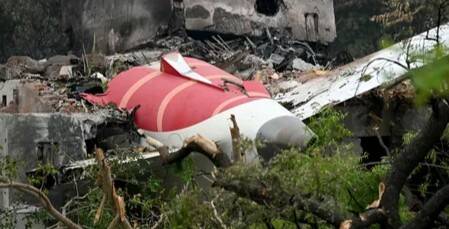
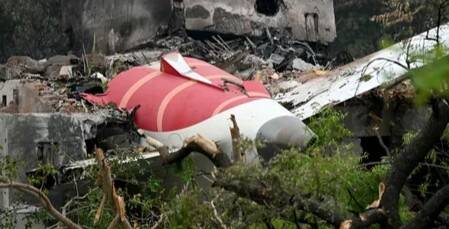
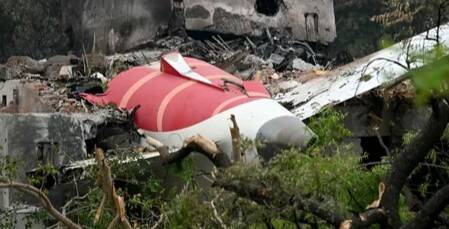
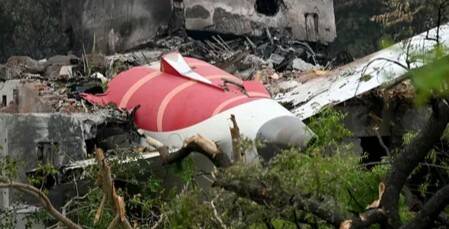
On June 21, 1985, Air India Flight 182, also known as the Kanishka bombing, was a devastating terrorist attack that resulted in the loss of 329 lives. The plane, which was flying from Montreal to Delhi with a stopover in London, was blown up by a bomb planted by Sikh extremists. The tragedy sent shockwaves around the world and is still remembered today as one of the worst aviation disasters in history.
In the aftermath of the crash, a massive recovery effort was undertaken to retrieve the personal belongings of the passengers. According to reports, a total of 22,000 personal items were recovered from the crash site. However, in a surprising revelation, it has been discovered that 14,000 of these items could not be directly linked to any passenger and are listed as “un-associated.”
The reason for this is that many of the items were damaged or destroyed in the crash, making it difficult to identify their owners. Additionally, some passengers may have been traveling with items that did not belong to them, such as gifts or purchases made during their journey. As a result, Air India has been left with a significant number of unclaimed belongings that are still unaccounted for.
In an effort to reunite these items with their rightful owners, Air India has created a portal for the un-associated belongings. The portal, which can be accessed by families of the victims, lists all 22,000 items that were recovered from the crash site. Families can view the listed items and choose whether to collect them in Ahmedabad or opt for courier delivery.
The items listed on the portal are a poignant reminder of the lives that were lost in the tragedy. They include personal effects such as wallets, jewelry, and clothing, as well as more unusual items like a toy airplane and a half-burnt prayer page. Each item tells a story of the person who owned it and the life they left behind.
The process of returning the belongings to the families of the victims is a complex and emotional one. Air India has stated that it will do its best to ensure that the items are returned to their rightful owners, but it is a daunting task. Many of the families have had to wait for decades to receive any news about the personal effects of their loved ones, and the process of reclaiming these items is likely to be a difficult and emotional experience.
Despite the challenges, Air India’s efforts to return the belongings to the families of the victims are a welcome step. The airline has shown a commitment to providing closure to the families and to preserving the memories of those who were lost. The creation of the portal and the listing of the un-associated belongings are a testament to the airline’s dedication to this cause.
The story of the Air India crash and the recovery of the personal belongings is a powerful reminder of the importance of preserving the memories of those who have been lost. The items that were recovered from the crash site are a tangible connection to the past, and they provide a glimpse into the lives of the people who were on board the plane.
As the families of the victims begin the process of reclaiming their loved ones’ belongings, it is hoped that they will find some measure of closure and comfort. The return of these personal effects is a small step towards healing the wounds of the past, and it is a reminder that even in the darkest of times, there is always hope for a brighter future.
In conclusion, the story of the 14,000 unaccounted for belongings of Air India crash victims is a poignant reminder of the tragedy that occurred on June 21, 1985. The creation of the portal and the listing of the un-associated belongings are a welcome step towards providing closure to the families of the victims. As the families begin the process of reclaiming their loved ones’ belongings, it is hoped that they will find some measure of comfort and peace.
About the Author