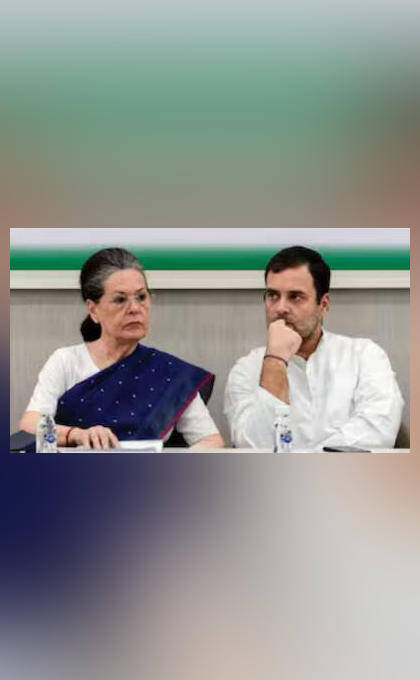
ED moves Delhi HC against trial court’s ruling in National Herald case
The Enforcement Directorate (ED) has taken a significant step in the National Herald case, approaching the Delhi High Court to challenge a trial court order that declined to take cognisance of the money laundering complaint against prominent Congress leaders, including Sonia Gandhi, Rahul Gandhi, and others. The ED’s move is aimed at overturning the lower court’s ruling, which had effectively stalled the proceedings against the accused individuals.
At the heart of the National Herald case is the allegation that assets worth over ₹2,000 crore belonging to Associated Journals Limited (AJL) were wrongfully taken over. The ED’s investigation has been focused on unraveling the complex web of transactions and identifying potential instances of money laundering. The agency’s decision to appeal the trial court’s order in the Delhi High Court underscores its commitment to pursuing the matter and ensuring that those responsible for any wrongdoing are held accountable.
The National Herald case has been a contentious issue, with the Congress party and its leaders maintaining that the allegations are politically motivated and without merit. However, the ED’s persistence in pursuing the matter suggests that the agency believes it has sufficient evidence to support its claims. The case has significant implications, not only for the individuals involved but also for the broader political landscape in India.
To understand the context and significance of the ED’s move, it is essential to delve into the background of the National Herald case. The case revolves around the acquisition of AJL, a company that owns several properties and assets, including the National Herald newspaper. The ED has alleged that the Congress leaders, including Sonia Gandhi and Rahul Gandhi, misused their positions to acquire the assets of AJL, worth over ₹2,000 crore, for a mere ₹50 lakh.
The ED’s investigation has been ongoing for several years, with the agency conducting raids and issuing summons to various individuals, including Congress leaders and businessmen. The agency has also attached several properties and assets belonging to AJL, citing the Prevention of Money Laundering Act (PMLA).
The trial court’s order declining to take cognisance of the ED’s complaint had come as a setback for the agency. However, the ED’s decision to appeal the order in the Delhi High Court indicates that the agency is determined to pursue the matter and ensure that justice is served. The Delhi High Court’s ruling on the matter will be closely watched, as it will have significant implications for the individuals involved and the broader political landscape in India.
The National Herald case has also sparked a heated debate about the role of politics in influencing the investigation and prosecution of high-profile cases. The Congress party has maintained that the case is a classic example of political vendetta, with the ruling party using investigative agencies to target its opponents. However, the ED’s persistence in pursuing the matter suggests that the agency believes it has a strong case and is committed to ensuring that those responsible for any wrongdoing are held accountable.
As the case progresses, it will be essential to monitor the developments and assess the implications of the ED’s move. The Delhi High Court’s ruling on the matter will be a crucial milestone, and its decision will have significant consequences for the individuals involved and the broader political landscape in India.
In conclusion, the ED’s decision to move the Delhi High Court against the trial court’s ruling in the National Herald case is a significant development in the ongoing saga. The case has far-reaching implications, not only for the individuals involved but also for the broader political landscape in India. As the matter progresses, it will be essential to monitor the developments and assess the implications of the ED’s move.
About the Author