ED moves Delhi HC against trial court’s ruling in National Herald case
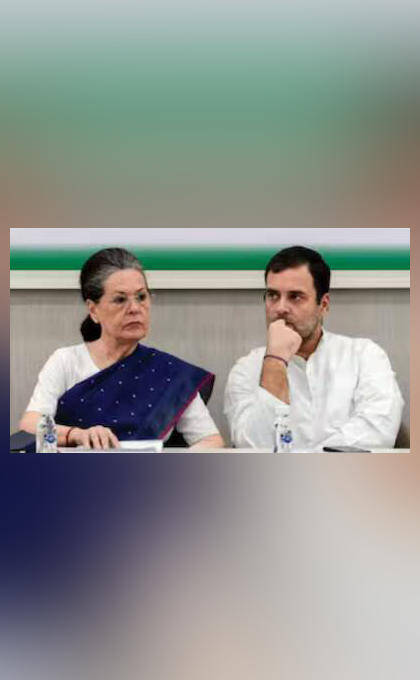
The Enforcement Directorate (ED) has approached the Delhi High Court, challenging the trial court order that declined to take cognisance of the money laundering complaint against Congress leaders Sonia Gandhi, Rahul Gandhi, and others in the National Herald case. This move by the ED is seen as a significant development in the ongoing case, which has been a subject of controversy and debate for several years.
The National Herald case revolves around the allegations that assets worth over ₹2,000 crore belonging to Associated Journals Limited (AJL) were wrongfully taken over. AJL is the company that published the National Herald newspaper, which was founded by Jawaharlal Nehru in 1938. The newspaper was initially published in English and later in Hindi and Urdu as well. However, the publication of the newspaper was suspended in 2008 due to financial difficulties.
The ED had filed a money laundering complaint against Sonia Gandhi, Rahul Gandhi, and others, alleging that they had misused their positions to acquire the assets of AJL. The complaint was filed under the Prevention of Money Laundering Act (PMLA), which allows the ED to investigate and prosecute cases of money laundering.
However, the trial court had declined to take cognisance of the complaint, citing lack of evidence. The court had observed that the ED had failed to provide sufficient evidence to establish the charges of money laundering against the accused. This order was seen as a setback for the ED, which had been investigating the case for several years.
The ED has now approached the Delhi High Court, challenging the trial court’s order. The agency has argued that the trial court had erred in its decision and that there was sufficient evidence to establish the charges of money laundering against the accused. The ED has also argued that the trial court had failed to consider the evidence presented by the agency, which included documents and witness statements.
The Delhi High Court is expected to hear the ED’s appeal in the coming weeks. The court’s decision will be crucial in determining the fate of the National Herald case. If the court upholds the trial court’s order, it will be a significant setback for the ED and the BJP, which has been pushing for action against the Gandhi family. On the other hand, if the court allows the ED’s appeal, it will pave the way for further investigation and prosecution of the accused.
The National Herald case has been a subject of controversy and debate for several years. The case has been seen as a symbol of the BJP’s efforts to target the Gandhi family and the Congress party. The BJP has alleged that the Gandhi family had misused their positions to acquire the assets of AJL and had failed to disclose their interests in the company.
The Congress party has denied all allegations of wrongdoing and has accused the BJP of politicising the case. The party has argued that the ED’s investigation was motivated by political considerations and that the agency had failed to provide any evidence to support its claims.
The National Herald case has also raised questions about the role of the ED and other investigative agencies in India. The ED has been accused of being used as a tool by the government to target its political opponents. The agency has denied these allegations, arguing that it is an independent agency that operates under the law.
In conclusion, the ED’s move to challenge the trial court’s order in the Delhi High Court is a significant development in the National Herald case. The case has been a subject of controversy and debate for several years, and the court’s decision will be crucial in determining the fate of the accused. The case has also raised questions about the role of investigative agencies in India and the need for greater transparency and accountability in their functioning.
The National Herald case is a complex one, with multiple layers and dimensions. The case involves allegations of money laundering, corruption, and misuse of power. The case also raises questions about the role of the media in Indian democracy and the need for greater transparency and accountability in the functioning of media companies.
As the Delhi High Court hears the ED’s appeal, it will be important to consider the larger implications of the case. The case has the potential to set a precedent for the investigation and prosecution of similar cases in the future. The case also highlights the need for greater transparency and accountability in the functioning of investigative agencies and the judiciary.
In the end, the National Herald case is a reminder of the importance of a free and independent press in Indian democracy. The case highlights the need for greater transparency and accountability in the functioning of media companies and the need for a free and independent press to hold those in power accountable.
About the Author