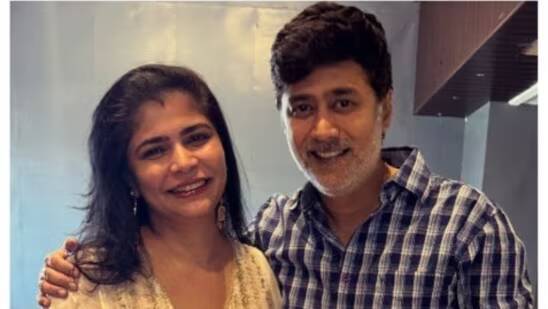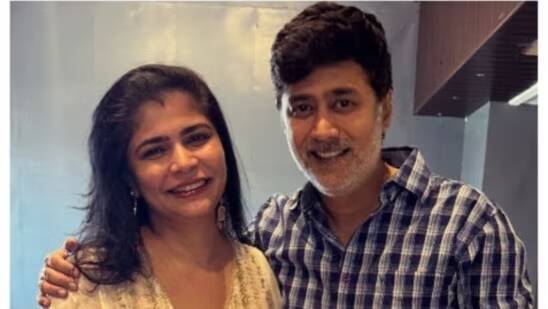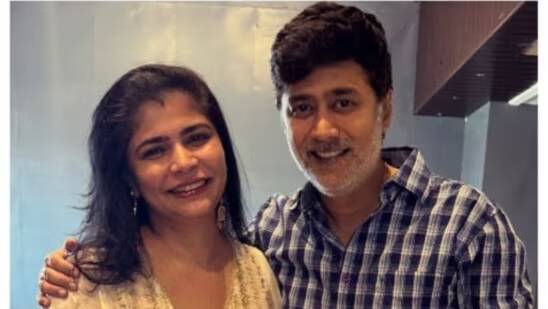
Chinmayi Slams Troll Who Called Her Husband ‘Puppet’, Says ‘He’s Alpha’
The world of social media can be a breeding ground for trolls and online harassment, and celebrities are often at the receiving end of such behavior. Recently, singer Chinmayi Sripaada found herself in a similar situation when a troll on X (formerly Twitter) made a derogatory comment about her husband, filmmaker Rahul Ravindran. The troll had the audacity to call Rahul “a puppet dancing” to Chinmayi’s “tunes”, implying that he was somehow inferior or controlled by his wife.
Chinmayi, known for her strong and outspoken personality, was not one to take such a comment lying down. She responded to the troll in a fiery post, slamming the individual for their sexist and misogynistic remark. “He’s an alpha and not an incel prick, who uses his brains, reads and doesn’t dance to anyone’s tunes…don’t screw around,” she wrote, making it clear that she would not tolerate such disrespect towards her husband.
The incident began when Chinmayi posted a message praising her husband Rahul, likely for one of his accomplishments or achievements. The troll, who seemed to have a problem with Chinmayi’s perceived “dominance” in the relationship, decided to chime in with their unsolicited opinion. The comment was not only sexist but also reflected a deep-seated insecurity and resentment towards women who are confident and unapologetic about their personalities.
Chinmayi’s response to the troll was swift and decisive, and she made it clear that she would not hesitate to call out such behavior. By labeling her husband as an “alpha”, she was asserting his independence and individuality, and making it clear that he was not someone who could be controlled or manipulated by her or anyone else. The use of the term “incel” was also significant, as it referred to a subgroup of men who feel entitled to sex and relationships, and often express misogynistic and sexist views online.
The incident has sparked a wider conversation about sexism and misogyny in online spaces, and the need for women to speak out against such behavior. Chinmayi’s response to the troll has been widely praised by her fans and followers, who see her as a role model for her confidence and courage in the face of online harassment.
It’s worth noting that Chinmayi has been a vocal advocate for women’s rights and social justice, and has often used her platform to speak out against sexism, misogyny, and other forms of discrimination. Her response to the troll was consistent with her values and personality, and reflected her commitment to challenging and dismantling patriarchal attitudes and behaviors.
In conclusion, the incident involving Chinmayi and the troll is a reminder of the importance of speaking out against sexism and misogyny, both online and offline. It’s a testament to the power of women like Chinmayi, who refuse to be silenced or intimidated by those who seek to undermine their confidence and self-worth. As we continue to navigate the complexities of online interactions, it’s essential that we prioritize respect, empathy, and kindness, and create a culture that values and celebrates diversity, inclusivity, and equality.
About the Author