ED moves Delhi HC against trial court’s ruling in National Herald case
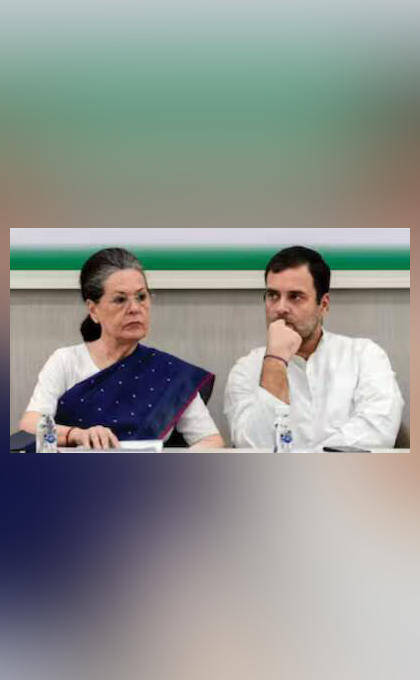
The Enforcement Directorate (ED) has taken a significant step in the National Herald case by approaching the Delhi High Court, challenging a trial court order that declined to take cognisance of the money laundering complaint against prominent Congress leaders, including Sonia Gandhi, Rahul Gandhi, and others. This development marks a crucial turning point in the long-standing case, which has been marred by allegations of wrongdoing and corruption. At the heart of the matter is the accusation that assets worth over ₹2,000 crore belonging to Associated Journals Limited (AJL) were wrongfully taken over, sparking a heated debate about the misuse of power and the legal implications thereof.
To understand the context of the ED’s move, it is essential to delve into the background of the National Herald case. The case revolves around the alleged irregularities in the acquisition of AJL, which publishes the National Herald newspaper, by a firm called Young Indian Private Limited. It is alleged that this acquisition was a thinly veiled attempt to grab valuable real estate assets belonging to AJL, which were then valued at over ₹2,000 crore. The ED’s investigation into the matter has been ongoing, with the agency probing whether the transactions involved any money laundering.
The trial court’s decision to decline cognisance of the ED’s complaint was seen as a significant setback for the investigation agency. However, the ED has chosen not to accept this ruling, opting instead to challenge it in the Delhi High Court. This move underscores the ED’s commitment to pursuing the case and ensuring that those accused of wrongdoing are held accountable. By taking the matter to the higher court, the ED aims to have the trial court’s order overturned, thereby paving the way for further investigation and potential prosecution of the accused.
The National Herald case has been a subject of intense political debate, with the Congress party and its leaders vehemently denying any wrongdoing. The party has maintained that the allegations are baseless and politically motivated, aimed at tarnishing the reputation of its top leaders. However, the ED’s persistence in pursuing the case suggests that the agency believes there is sufficient evidence to warrant further action.
The implications of the ED’s move are far-reaching, with potential consequences for the accused individuals and the Congress party as a whole. If the Delhi High Court rules in favour of the ED, it could lead to a fresh round of investigations, potentially resulting in charges being filed against Sonia Gandhi, Rahul Gandhi, and others. Such an outcome would not only have legal repercussions but also significant political fallout, potentially affecting the Congress party’s standing and prospects in future elections.
In addition to the legal and political dimensions, the National Herald case also raises important questions about corporate governance, transparency, and accountability. The allegations of wrongdoing in the acquisition of AJL’s assets highlight the need for greater scrutiny of business transactions, particularly those involving high-profile individuals and politicians. The case serves as a reminder that the rule of law must apply equally to all, regardless of their position or influence.
As the case progresses, it will be closely watched by legal experts, political analysts, and the general public. The outcome of the ED’s appeal in the Delhi High Court will be a crucial determinant of the future course of action, with potential ramifications for the accused, the Congress party, and the broader political landscape.
In conclusion, the ED’s decision to challenge the trial court’s ruling in the National Herald case marks a significant development in the ongoing saga. The move reflects the agency’s determination to pursue the case and ensure that justice is served. As the matter unfolds, it will be essential to monitor the proceedings closely, given the far-reaching implications for the individuals involved, the Congress party, and the country’s legal and political systems.
About the Author