ED moves Delhi HC against trial court’s ruling in National Herald case
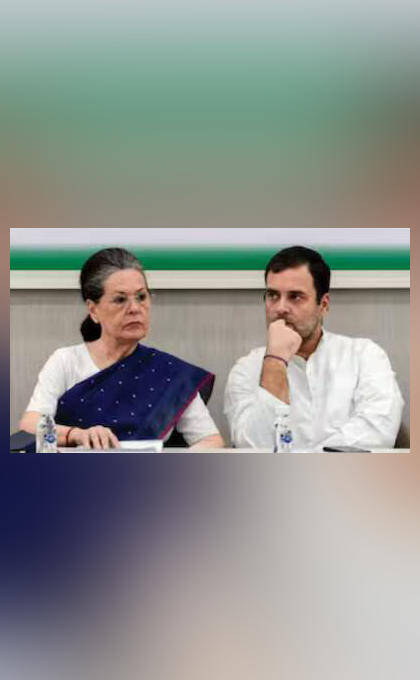
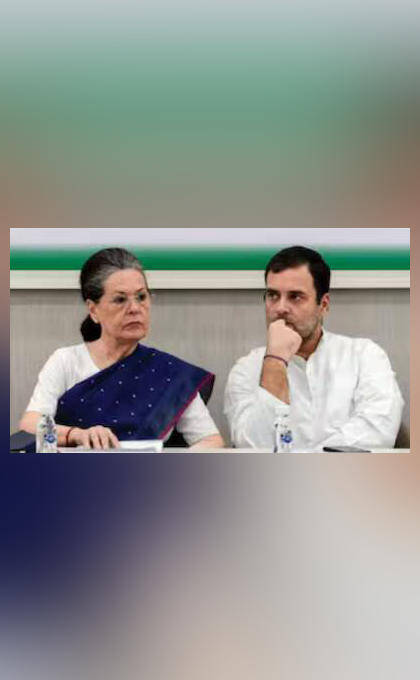
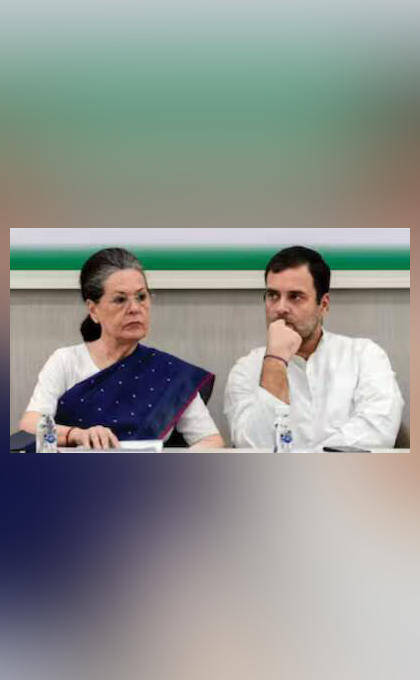
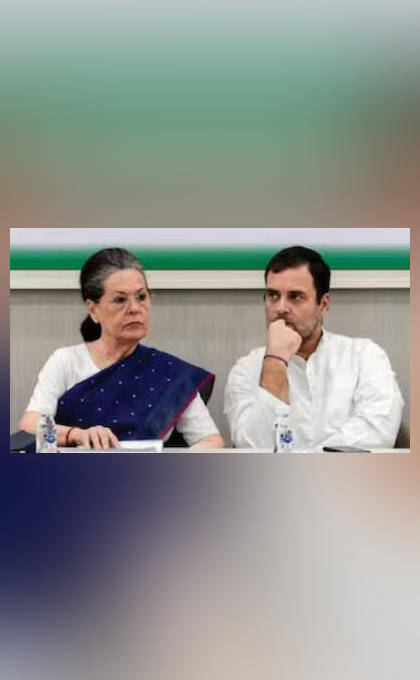
The Enforcement Directorate (ED) has taken a significant step in the ongoing National Herald case by approaching the Delhi High Court to challenge a trial court order. The order in question had declined to take cognisance of the money laundering complaint filed against several high-profile individuals, including Congress leaders Sonia Gandhi, Rahul Gandhi, and others. This move by the ED indicates its determination to pursue the allegations of financial irregularities and wrongdoing in the acquisition of assets belonging to Associated Journals Limited (AJL), the company behind the National Herald newspaper.
At the heart of the controversy is the allegation that assets worth over ₹2,000 crore belonging to AJL were wrongfully taken over. The ED’s complaint, which was filed under the Prevention of Money Laundering Act (PMLA), outlines a complex web of transactions and arrangements that allegedly allowed the Gandhis and other accused individuals to gain control of these valuable assets. The complaint suggests that this was achieved through a series of financial maneuvers involving the Young Indian Private Limited (YI), a company in which the Gandhis and other Congress leaders have significant stakes.
The trial court’s decision not to take cognisance of the ED’s complaint was seen as a significant setback for the investigative agency. The court’s ruling implied that the ED had not presented sufficient evidence to warrant the prosecution of the accused under the money laundering laws. However, the ED has clearly not accepted this outcome, choosing instead to challenge the decision in the Delhi High Court. This appeal reflects the ED’s conviction that it has a strong case and that the trial court erred in its assessment of the evidence presented.
The National Herald case has been a subject of intense political and public scrutiny for several years. The case involves the alleged misuse of funds by the Congress party and its leaders to acquire profitable assets, including prime real estate in various parts of the country. The ED’s investigation has been ongoing, with the agency conducting raids and issuing summons to various individuals as part of its probe. The case has also seen its fair share of political brinkmanship, with the Congress party accusing the ruling Bharatiya Janata Party (BJP) of using the ED and other investigative agencies to harass its leaders and undermine its political opponents.
The legal battle ahead is likely to be protracted and complex. The ED will need to convincingly argue before the Delhi High Court that the trial court’s decision was flawed and that there is indeed sufficient evidence to justify the prosecution of the accused under the PMLA. The accused, on the other hand, will likely contest these allegations vigorously, arguing that the ED’s case is based on flawed premises and lacks substantial evidence.
As the case unfolds, it will be closely watched by legal experts, political observers, and the general public. The implications of the case extend beyond the immediate legal outcome, touching on broader issues of political accountability, the use of investigative agencies in political battles, and the transparency and integrity of financial transactions involving public figures and political parties.
The ED’s decision to appeal the trial court’s ruling in the Delhi High Court is a significant development in the National Herald case. It underscores the agency’s commitment to pursuing allegations of financial wrongdoing, regardless of the stature of the individuals involved. As the legal process continues, it is essential for all parties to respect the independence and integrity of the judiciary, allowing the courts to decide the matter based on the evidence and the law.
In conclusion, the National Herald case represents a critical test of India’s legal and investigative institutions. The ability of these institutions to impartially and effectively investigate and prosecute allegations of financial irregularities, without fear or favor, is essential to maintaining public trust and ensuring accountability among the country’s political and economic elites. As the case moves forward, it is crucial for all stakeholders to prioritize the principles of fairness, transparency, and the rule of law.
About the Author