India Resumes Ops at Dhaka Visa Centre after Closure amid Protests
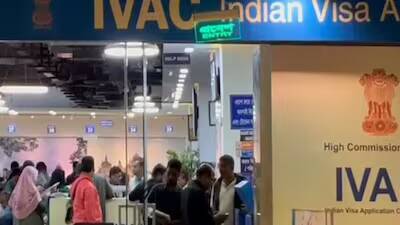
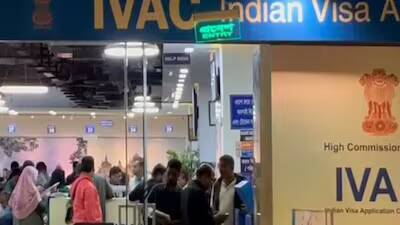
The Indian visa centre in Dhaka, the capital city of Bangladesh, resumed its operations on Thursday, a day after it was temporarily shut down due to security concerns. The closure was a result of anti-India protests that took place in the city, with protesters marching towards the Indian High Commission. The protests were sparked by a radical remark made by a Bangladeshi leader, Hasnat Abdullah, against India. The Indian government took swift action, summoning the Bangladesh High Commissioner on Wednesday to express its displeasure.
The protests in Dhaka were a cause for concern for the Indian government, as they posed a threat to the safety and security of Indian citizens and officials in the city. The temporary closure of the visa centre was a precautionary measure to ensure the well-being of those seeking visa services. However, with the situation now under control, the visa centre has resumed its operations, and visa services are available to the public once again.
The radical remark made by Hasnat Abdullah, a Bangladeshi leader, was seen as a provocation by the Indian government. The Ministry of External Affairs (MEA) took strong exception to the comment and summoned the Bangladesh High Commissioner to express its protest. The MEA’s swift action was aimed at conveying India’s displeasure and concern over the remark, which was seen as an attempt to vitiate the atmosphere between the two countries.
The protests in Dhaka were not an isolated incident, but rather a symptom of a larger issue. There have been growing tensions between India and Bangladesh in recent times, with several issues causing friction between the two nations. The Indian government has been taking steps to address these issues and improve relations with Bangladesh. However, the recent protests and the radical remark made by the Bangladeshi leader have added a new dimension to the situation.
The resumption of operations at the Indian visa centre in Dhaka is a welcome development, as it will facilitate the movement of people between the two countries. The visa centre is an important facility that provides visa services to Bangladeshi citizens seeking to travel to India. The closure of the centre, even if temporary, would have caused inconvenience to those seeking to travel to India for various purposes, including tourism, business, and education.
The Indian government’s decision to resume operations at the visa centre is a reflection of its commitment to maintaining good relations with Bangladesh. Despite the recent tensions and protests, the Indian government is keen to improve relations with its eastern neighbor. The resumption of visa services is a positive step in this direction, as it will help to facilitate people-to-people contact and promote bilateral ties.
In recent years, India and Bangladesh have been working to strengthen their bilateral ties, with a focus on trade, commerce, and connectivity. The two countries have been engaged in several initiatives, including the development of infrastructure, such as roads, railways, and waterways. The Indian government has also been providing financial assistance to Bangladesh for various development projects.
However, despite these efforts, there are still several issues that need to be addressed. The recent protests and the radical remark made by the Bangladeshi leader are a reminder that there are still challenges to be overcome. The Indian government will need to engage with its Bangladeshi counterpart to address these issues and improve relations between the two countries.
In conclusion, the resumption of operations at the Indian visa centre in Dhaka is a positive development, as it will facilitate the movement of people between the two countries. The Indian government’s decision to resume visa services is a reflection of its commitment to maintaining good relations with Bangladesh. However, there are still several issues that need to be addressed, and the Indian government will need to engage with its Bangladeshi counterpart to overcome these challenges.
The recent protests and the radical remark made by the Bangladeshi leader are a cause for concern, and the Indian government will need to take steps to address these issues. The MEA’s swift action in summoning the Bangladesh High Commissioner was a positive step, as it conveyed India’s displeasure and concern over the remark. The Indian government will need to continue to engage with Bangladesh to improve relations and address the issues that are causing tension between the two countries.
As the situation in Dhaka returns to normal, the Indian government will need to remain vigilant and take steps to ensure the safety and security of its citizens and officials in the city. The resumption of operations at the visa centre is a welcome development, but it is only the first step. The Indian government will need to continue to work towards improving relations with Bangladesh and addressing the issues that are causing tension between the two countries.
About the Author