IIT Bombay’s AI speeds up hurricane damage assessment
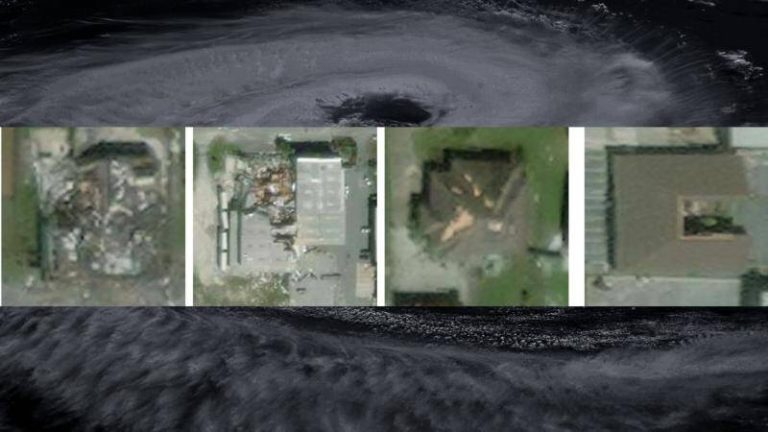
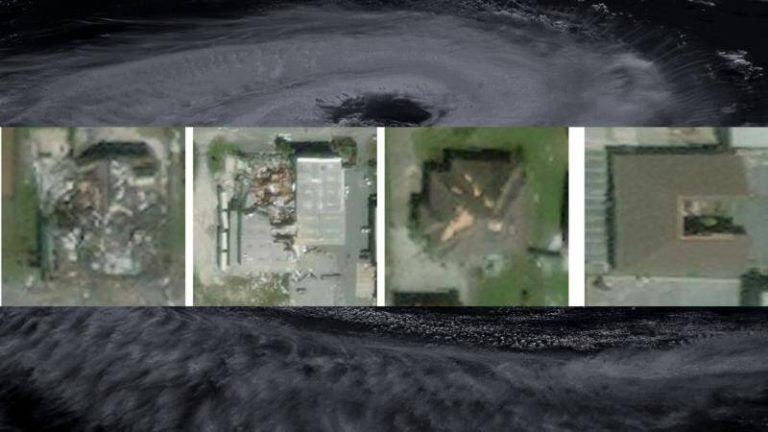
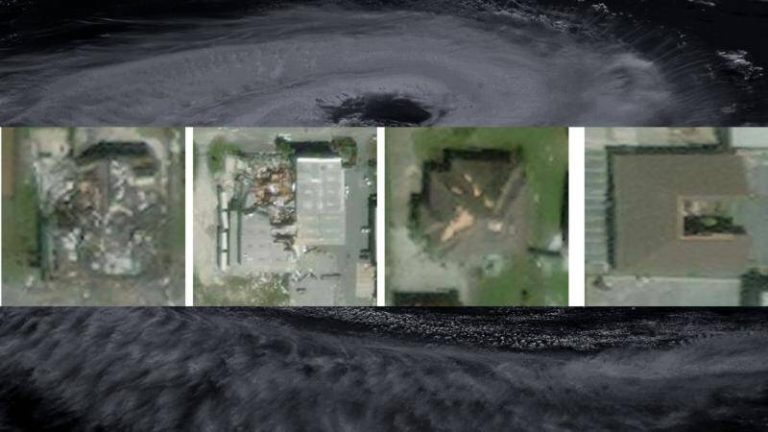
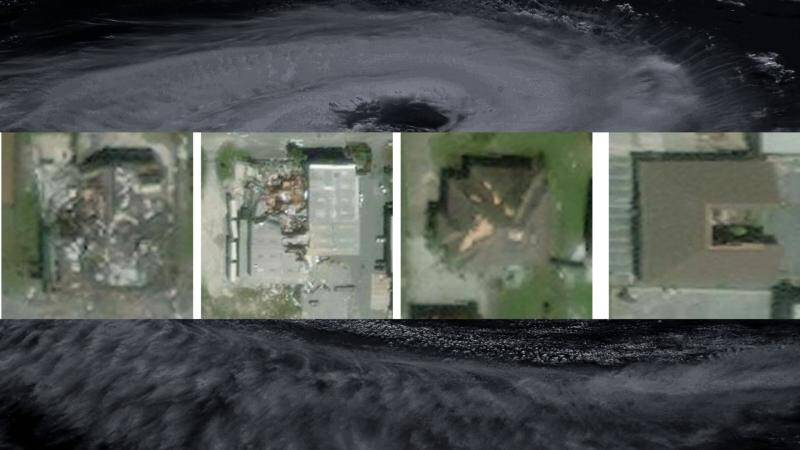
Hurricanes are one of the most destructive natural disasters, causing widespread damage to infrastructure, homes, and lives. The aftermath of a hurricane is a critical period where rapid assessment of damage is essential to provide timely relief and support to affected communities. However, traditional methods of damage assessment can be time-consuming, labor-intensive, and often inaccurate. To address this challenge, researchers at the Indian Institute of Technology (IIT) Bombay have developed an innovative AI model called SpADANet, which can quickly and accurately identify building damage from aerial images.
SpADANet is a spatially aware deep learning model that uses aerial images to assess building damage caused by hurricanes. What sets SpADANet apart from existing methods is its ability to overcome the “domain gap,” a common problem in AI models where the performance degrades when applied to new, unseen data. In the context of hurricane damage assessment, this means that SpADANet can adapt to different storms and regions with minimal data, making it a highly versatile and effective tool.
The development of SpADANet is a significant breakthrough in the field of disaster response and relief. Traditional methods of damage assessment rely on manual surveys, which can be slow and prone to errors. Moreover, these methods often require significant resources and personnel, which can be challenging to deploy in the aftermath of a disaster. SpADANet, on the other hand, can be used to quickly assess damage from aerial images, providing critical information to emergency responders and relief teams.
One of the key features of SpADANet is its ability to use spatial context to improve its accuracy. The model takes into account the spatial relationships between buildings, roads, and other features in the aerial images, allowing it to better understand the context of the damage. This is particularly important in urban areas, where the density of buildings and infrastructure can make it challenging to accurately assess damage.
SpADANet has been optimized for use on mobile devices, making it a highly portable and accessible tool for disaster response teams. This means that emergency responders can use SpADANet in the field, providing real-time assessments of damage and informing critical decisions about relief efforts.
The potential impact of SpADANet is significant. By providing rapid and accurate assessments of building damage, SpADANet can help emergency responders and relief teams to prioritize their efforts, allocate resources more effectively, and ultimately save lives. Moreover, SpADANet can be used to support long-term recovery efforts, providing critical information to planners, policymakers, and stakeholders.
The development of SpADANet is a testament to the power of AI and machine learning in addressing some of the world’s most pressing challenges. By leveraging advances in computer vision and deep learning, researchers at IIT Bombay have created a tool that can make a real difference in the lives of people affected by hurricanes and other disasters.
In conclusion, SpADANet is a groundbreaking AI model that has the potential to revolutionize the field of disaster response and relief. By providing rapid and accurate assessments of building damage, SpADANet can help emergency responders and relief teams to save lives, reduce suffering, and support long-term recovery efforts. As the world continues to grapple with the challenges of climate change, natural disasters, and other crises, innovations like SpADANet offer a beacon of hope for a safer, more resilient future.
News Source: https://researchmatters.in/news/novel-spatially-aware-ai-model-makes-hurricane-damage-assessment-more-accurate
About the Author