India Resumes Ops at Dhaka Visa Centre After Closure Amid Protests
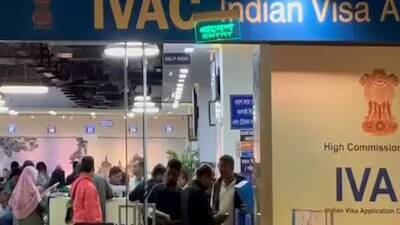
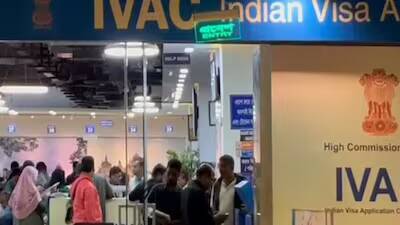
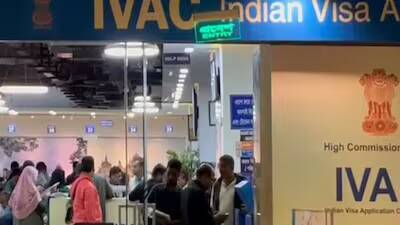
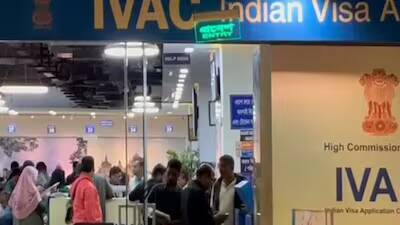
In a significant development, the Indian visa centre in Dhaka, the capital city of Bangladesh, resumed its operations on Thursday, a day after it was temporarily shut down due to security concerns. The closure of the visa centre was a direct result of the anti-India protests that took place in the city, with protesters marching towards the Indian High Commission. The protests were sparked by a radical remark made by a Bangladeshi leader, Hasnat Abdullah, against India, which did not go down well with the Indian government.
The protests in Dhaka were a cause for concern for the Indian government, and as a precautionary measure, the visa centre was closed temporarily. The Indian government took the matter seriously and summoned the Bangladesh High Commissioner on Wednesday to express its displeasure over the remark made by Hasnat Abdullah. The Ministry of External Affairs (MEA) summoned the High Commissioner to convey India’s strong objection to the remark, which was seen as an attempt to vitiate the atmosphere between the two countries.
The temporary closure of the visa centre was a significant development, as it affects the travel plans of many Bangladeshis who wish to visit India. The visa centre is a crucial facility that provides visa services to Bangladeshi citizens who want to travel to India for various purposes, including tourism, business, and education. The closure of the centre would have caused inconvenience to many people who had already applied for visas or were planning to apply.
However, with the resumption of operations at the visa centre, the travel plans of many Bangladeshis can now get back on track. The Indian government has taken necessary measures to ensure the safety and security of its citizens and facilities in Bangladesh, and the resumption of visa services is a welcome move. The development is also a positive sign for the bilateral relations between India and Bangladesh, which have been strong in recent years.
The protests in Dhaka were a result of the radical remark made by Hasnat Abdullah, which was seen as an attempt to create tension between the two countries. However, the Indian government’s swift response to the situation and the resumption of visa services at the centre in Dhaka are indicative of the strong bilateral ties between the two nations. The development is also a testament to the fact that India values its relationship with Bangladesh and is committed to maintaining good relations with its neighboring country.
The radical remark made by Hasnat Abdullah was widely condemned by the Indian government, and the MEA’s decision to summon the Bangladesh High Commissioner was a strong message to the Bangladeshi government to take necessary action against such elements. The Indian government’s response to the situation was swift and decisive, and it sent a clear message that such remarks would not be tolerated.
The resumption of operations at the visa centre in Dhaka is a significant development, and it is expected to bring relief to many Bangladeshis who were affected by the temporary closure. The development is also a positive sign for the bilateral relations between India and Bangladesh, and it is expected to further strengthen the ties between the two countries.
In conclusion, the resumption of operations at the Indian visa centre in Dhaka is a welcome move, and it is expected to bring relief to many Bangladeshis who were affected by the temporary closure. The development is also a positive sign for the bilateral relations between India and Bangladesh, and it is expected to further strengthen the ties between the two countries. The Indian government’s swift response to the situation and the resumption of visa services at the centre in Dhaka are indicative of the strong bilateral ties between the two nations.
The temporary closure of the visa centre was a result of the security concerns that arose due to the anti-India protests in Dhaka. However, with the resumption of operations, the travel plans of many Bangladeshis can now get back on track. The development is a significant one, and it is expected to have a positive impact on the bilateral relations between India and Bangladesh.
The Indian government’s decision to resume operations at the visa centre in Dhaka is a testament to the fact that India values its relationship with Bangladesh and is committed to maintaining good relations with its neighboring country. The development is also a positive sign for the people of Bangladesh who wish to travel to India for various purposes.
In recent years, the bilateral relations between India and Bangladesh have been strong, and the two countries have cooperated on various issues, including trade, security, and culture. The resumption of operations at the visa centre in Dhaka is a significant development, and it is expected to further strengthen the ties between the two countries.
The radical remark made by Hasnat Abdullah was a cause for concern for the Indian government, and the MEA’s decision to summon the Bangladesh High Commissioner was a strong message to the Bangladeshi government to take necessary action against such elements. The Indian government’s response to the situation was swift and decisive, and it sent a clear message that such remarks would not be tolerated.
In the end, the resumption of operations at the Indian visa centre in Dhaka is a welcome move, and it is expected to bring relief to many Bangladeshis who were affected by the temporary closure. The development is also a positive sign for the bilateral relations between India and Bangladesh, and it is expected to further strengthen the ties between the two countries.
About the Author