RBI spent ₹2.7 lakh cr to prevent rupee from falling, it still fell to record lows: Report
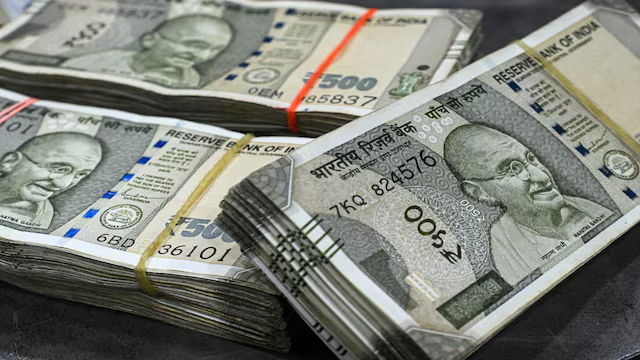
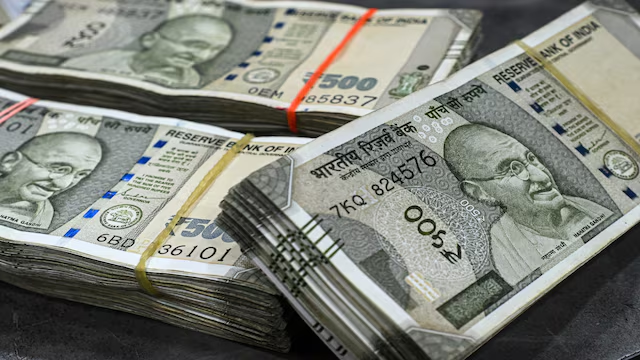
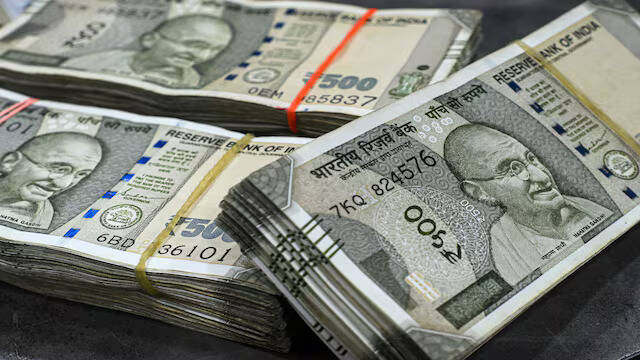
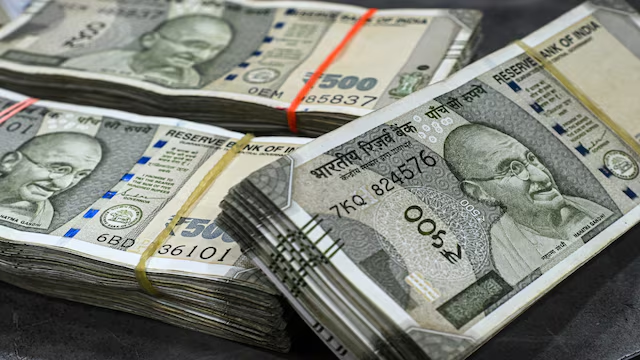
The Indian rupee has been on a downward spiral for quite some time now, and despite the Reserve Bank of India’s (RBI) best efforts to prop it up, the currency has continued to tumble to new record lows. In a bid to soften the fall of the rupee, the RBI has spent a staggering amount of ₹2.7 lakh crore ($30 billion) over the past few months. However, the efforts seem to have had little impact, as the rupee continues to slide against the US dollar.
According to a report by SBI Research, the RBI has intervened in the forex market to the tune of around $18 billion between June and September. Furthermore, the research firm estimates that the central bank has spent another $10 billion in October 2025, taking the total expenditure to $30 billion. This massive intervention is a clear indication of the RBI’s concern over the rupee’s falling value and its impact on the Indian economy.
The rupee’s downward trend can be attributed to a combination of factors, including a strong US dollar, rising crude oil prices, and a widening trade deficit. The US Federal Reserve’s decision to raise interest rates has also led to a flight of capital from emerging markets, including India, which has put further pressure on the rupee. Despite the RBI’s efforts to stem the fall, the rupee has continued to decline, reaching new record lows against the US dollar.
The RBI’s intervention in the forex market is aimed at preventing a sharp decline in the rupee’s value, which could have a destabilizing effect on the economy. A weak rupee makes imports more expensive, which can lead to higher inflation and impact economic growth. The central bank’s efforts to support the rupee are therefore crucial in maintaining economic stability and preventing a sharp decline in investor sentiment.
However, the RBI’s intervention is not without its costs. The central bank’s foreign exchange reserves have been depleted significantly due to its intervention in the forex market. According to data from the RBI, the country’s foreign exchange reserves have declined by over $50 billion since the start of the year. This decline in reserves could limit the RBI’s ability to intervene in the forex market in the future, making it challenging to support the rupee if it continues to decline.
The SBI Research report highlights the challenges faced by the RBI in supporting the rupee. “RBI has intervened around $18 billion in the forex market during June-September, and we’ve estimated another $10 billion in October 2025,” the report states. Despite this significant intervention, the rupee has continued to decline, reaching new record lows against the US dollar.
The report also notes that the RBI’s intervention has had a limited impact on the rupee’s value. “The rupee has depreciated by around 10% against the US dollar since the start of the year, despite the RBI’s intervention,” the report states. This suggests that the RBI’s efforts to support the rupee may not be enough to prevent a further decline in its value.
The decline in the rupee’s value has significant implications for the Indian economy. A weak rupee makes imports more expensive, which can lead to higher inflation and impact economic growth. The decline in the rupee’s value also makes it more expensive for Indian companies to borrow from abroad, which can impact their ability to invest and expand their operations.
In conclusion, the RBI’s efforts to support the rupee have been significant, with the central bank spending ₹2.7 lakh crore ($30 billion) to prevent a sharp decline in its value. However, despite these efforts, the rupee has continued to decline, reaching new record lows against the US dollar. The decline in the rupee’s value has significant implications for the Indian economy, and the RBI’s ability to intervene in the forex market may be limited due to the decline in its foreign exchange reserves.
As the rupee continues to decline, it is essential for the RBI to continue to monitor the situation closely and take appropriate measures to support the currency. The central bank may need to consider other options, such as raising interest rates or imposing capital controls, to prevent a further decline in the rupee’s value. However, any such measures would need to be carefully considered, as they could have significant implications for the Indian economy.
News Source: https://www.cnbctv18.com/market/currency/india-rupee-how-many-us-dollars-did-rbi-buy-ws-l-19794895.htm/amp
About the Author