India Resumes Ops at Dhaka Visa Centre after Closure amid Protests
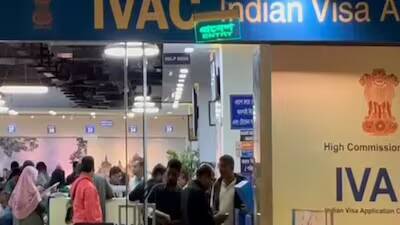
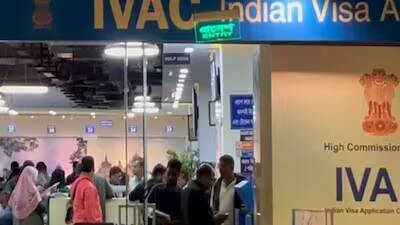
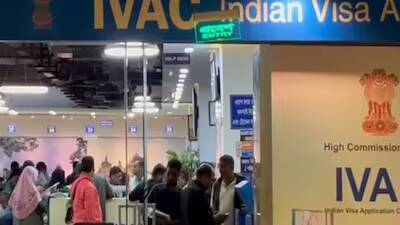
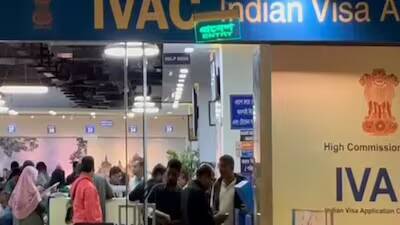
The Indian visa centre in Dhaka, the capital city of Bangladesh, resumed its operations on Thursday, a day after it was temporarily shut down due to security concerns. The closure was a result of anti-India protests that took place in the city, with demonstrators marching towards the Indian High Commission. The protests were sparked by a radical remark made by a Bangladeshi leader, Hasnat Abdullah, against India. The Indian government took swift action, summoning the Bangladesh High Commissioner to the Ministry of External Affairs (MEA) on Wednesday to express its displeasure.
The protests in Dhaka were a cause for concern for the Indian government, as they posed a threat to the safety and security of Indian citizens and officials in Bangladesh. The temporary closure of the visa centre was a precautionary measure to ensure that no harm came to those seeking visas or the staff working at the centre. However, with the situation returning to normal, the visa centre has resumed its operations, and applicants can once again apply for Indian visas.
The radical remark made by Hasnat Abdullah, a Bangladeshi leader, was seen as a provocative statement that could have led to further tensions between the two countries. The Indian government was quick to respond, summoning the Bangladesh High Commissioner to the MEA to register its protest. The move was seen as a strong message to Bangladesh that such remarks would not be tolerated and that India would not hesitate to take action to protect its interests.
The incident highlights the complex nature of India-Bangladesh relations, which have been marked by periods of cooperation and tension. While the two countries have made significant progress in recent years, with increased trade and economic cooperation, there are still several issues that need to be addressed. The protests in Dhaka and the radical remark made by the Bangladeshi leader are a reminder that there are still forces in Bangladesh that are opposed to good relations with India.
The Indian government has been working to strengthen its ties with Bangladesh, with Prime Minister Narendra Modi making a significant effort to improve relations between the two countries. The two nations have signed several agreements, including a landmark deal on the sharing of the Teesta river waters, which has been a major point of contention between the two countries. However, despite these efforts, there are still several challenges that need to be addressed, including the issue of illegal immigration and the presence of anti-India groups in Bangladesh.
The resumption of operations at the Indian visa centre in Dhaka is a positive development, as it will allow applicants to once again apply for Indian visas. The centre is an important facility for Bangladeshis who wish to travel to India for various purposes, including education, medical treatment, and tourism. The closure of the centre, even if temporary, would have caused inconvenience to many applicants, and its resumption will come as a relief to those who have been waiting to apply for visas.
In conclusion, the temporary closure of the Indian visa centre in Dhaka was a precautionary measure taken by the Indian government in response to security concerns. The protests in Dhaka and the radical remark made by the Bangladeshi leader were a cause for concern, and the Indian government was right to take swift action to register its protest. The resumption of operations at the visa centre is a positive development, and it is hoped that the situation will return to normal soon. The incident highlights the complex nature of India-Bangladesh relations and the need for continued efforts to strengthen ties between the two countries.
About the Author