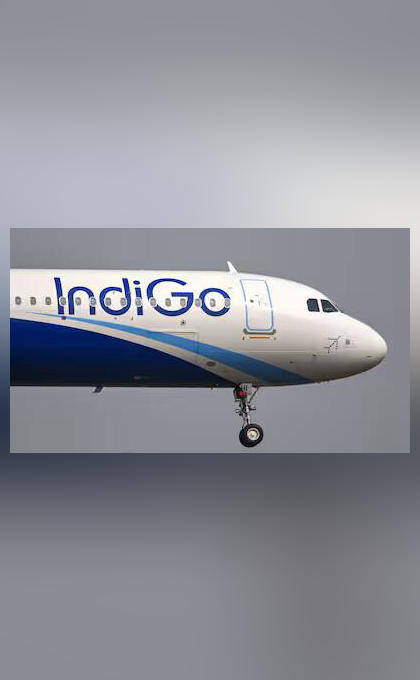
Parliamentary panel pulls up IndiGo, DGCA for unsatisfactory replies over flight crisis
The Indian aviation industry has been facing a severe crisis in recent times, with flights being delayed or cancelled across major airports in the country. The situation has caused immense inconvenience to passengers, who have been left stranded and frustrated. In an effort to get to the bottom of the issue, a parliamentary panel recently summoned representatives from IndiGo, one of the largest airlines in the country, and the Directorate General of Civil Aviation (DGCA), the regulatory body responsible for overseeing the aviation industry.
The parliamentary panel, which consists of members from various political parties, expressed its disappointment and frustration with the “unsatisfactory and evasive” replies provided by IndiGo and the DGCA. The panel had sought explanations from the two entities regarding the reasons behind the flight crisis, but was not satisfied with the responses it received. The panel’s chairman, in a strongly worded statement, criticized IndiGo and the DGCA for their lack of transparency and accountability.
The meeting, which was attended by IndiGo’s Chief Operating Officer (COO) Isidro Porqueras, saw the parliamentary panel grill the airline and the DGCA over their handling of the crisis. The panel members asked tough questions, seeking to understand the root causes of the problem and the steps being taken to resolve it. However, the responses provided by IndiGo and the DGCA were deemed to be inadequate and lacking in substance.
The parliamentary panel has given the Ministry of Civil Aviation, IndiGo, and the DGCA 15 days to respond to its questions and provide satisfactory explanations for the flight crisis. The panel has also sought detailed information on the measures being taken to address the issue and prevent such disruptions in the future. The panel’s move is seen as a significant step towards holding the airline and the regulatory body accountable for their actions and ensuring that the interests of passengers are protected.
The flight crisis in India has been attributed to a variety of factors, including staffing shortages, technical issues, and infrastructure constraints. However, the exact reasons behind the crisis are still not clear, and the parliamentary panel’s efforts are aimed at getting to the bottom of the issue. The panel’s findings and recommendations are likely to have a significant impact on the aviation industry, and may lead to changes in the way airlines and regulatory bodies operate in the country.
The Indian aviation industry has experienced rapid growth in recent years, with the number of air passengers increasing significantly. However, this growth has also put a strain on the country’s aviation infrastructure, leading to congestion and delays at major airports. The flight crisis has highlighted the need for urgent reforms and improvements in the industry, and the parliamentary panel’s efforts are seen as a step in the right direction.
In recent times, there have been numerous instances of flights being delayed or cancelled, leaving passengers stranded and frustrated. The situation has been exacerbated by the lack of transparency and communication from airlines and regulatory bodies, which has added to the confusion and chaos. The parliamentary panel’s move to summon IndiGo and the DGCA is seen as a efforts to bring accountability and transparency to the industry.
The DGCA, which is responsible for regulating the aviation industry, has come under criticism for its handling of the crisis. The regulatory body has been accused of being ineffective and lacking in teeth, with many arguing that it has failed to take adequate measures to address the issue. The parliamentary panel’s criticism of the DGCA is likely to put pressure on the regulatory body to take more effective action to address the crisis.
IndiGo, which is one of the largest airlines in the country, has also come under fire for its handling of the crisis. The airline has been accused of being unresponsive and uncommunicative, with many passengers complaining about the lack of information and support. The airline’s COO, Isidro Porqueras, was present at the meeting, and is likely to have faced tough questions from the parliamentary panel.
In conclusion, the parliamentary panel’s move to pull up IndiGo and the DGCA over their unsatisfactory replies to the flight crisis is a significant step towards holding the airline and regulatory body accountable for their actions. The panel’s efforts are aimed at getting to the bottom of the issue and ensuring that the interests of passengers are protected. The Indian aviation industry is in need of urgent reforms and improvements, and the parliamentary panel’s findings and recommendations are likely to have a significant impact on the industry.
The flight crisis in India is a complex issue, and there are no easy solutions. However, the parliamentary panel’s move is a step in the right direction, and is likely to lead to changes in the way airlines and regulatory bodies operate in the country. As the industry continues to grow and evolve, it is essential that the interests of passengers are protected, and that airlines and regulatory bodies are held accountable for their actions.
About the Author