Polluted Air Hurts Gut Health, Triggers Liver Stress: Study
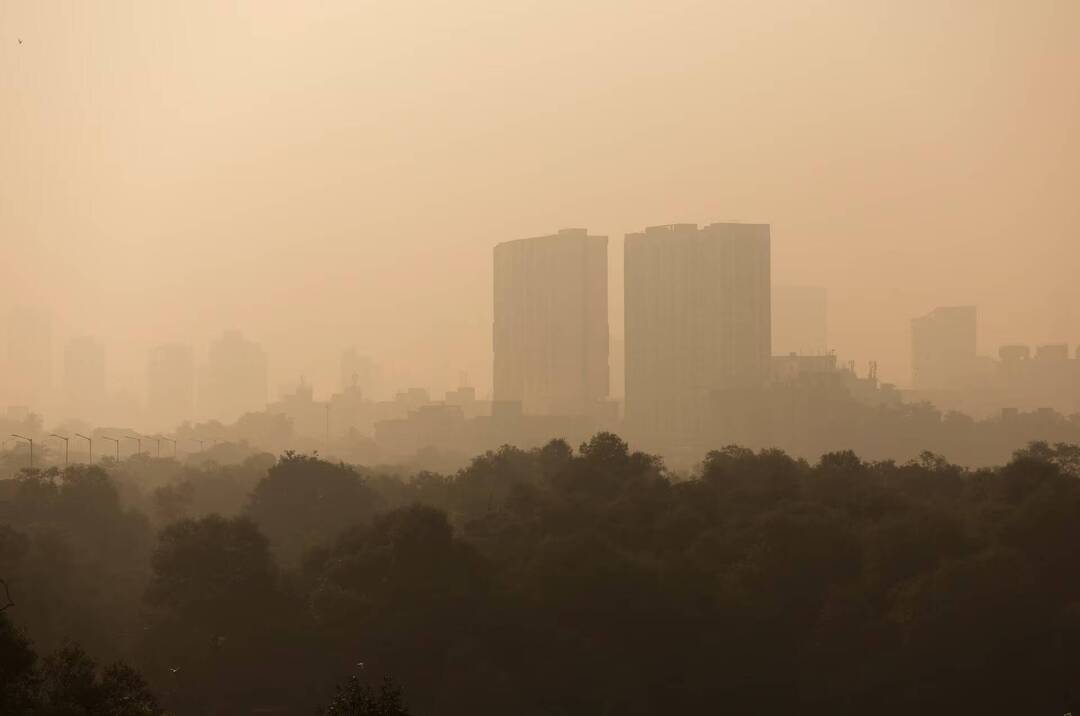
The detrimental effects of air pollution on our health have been well-documented, with links to respiratory problems, cardiovascular disease, and even neurological disorders. However, a recent study conducted by UCLA Health has shed light on a previously underappreciated consequence of breathing polluted air: its impact on gut health and liver function. The research, which exposed mice to ultrafine air particles over a 10-week period, revealed significant shifts in the gut microbiome and a heightened risk of heart disease.
The study’s findings are alarming, to say the least. By inhaling polluted air, we may be inadvertently disrupting the delicate balance of our gut microbiome, triggering liver stress, and increasing our susceptibility to cardiovascular disease. The gut microbiome, comprising trillions of microorganisms, plays a vital role in our overall health, influencing everything from digestion and immune function to mental well-being and even cognitive development.
To investigate the effects of air pollution on gut health, the UCLA Health researchers employed a novel approach. They exposed mice to ultrafine air particles, which are particularly hazardous due to their ability to penetrate deep into the lungs and even cross the blood-brain barrier. Over the course of 10 weeks, the mice were subjected to varying levels of air pollution, mimicking the conditions found in heavily polluted urban areas.
The results were striking. The mice exposed to polluted air exhibited significant changes in their gut microbiome, with some species of bacteria increasing in abundance while others decreased. These shifts were not merely incidental; they were strongly correlated with an increased buildup of atherosclerotic plaque in the major arteries, a hallmark of cardiovascular disease. The researchers noted that the changes in the gut microbiome were accompanied by elevated levels of inflammation and oxidative stress, both of which are known to contribute to the development of heart disease.
But how, exactly, does air pollution affect the gut microbiome? The mechanisms are complex and multifaceted, involving a interplay of factors including the immune system, the gut lining, and the liver. When we inhale polluted air, the ultrafine particles can penetrate the lungs and enter the bloodstream, triggering an immune response. This response can lead to the release of pro-inflammatory cytokines, which can, in turn, disrupt the balance of the gut microbiome.
Furthermore, the liver, which plays a critical role in detoxification and metabolism, can become stressed in response to air pollution. The liver’s ability to filter toxins and maintain metabolic homeostasis can be compromised, leading to a buildup of toxic compounds in the body. This can have far-reaching consequences, including damage to the gut lining, increased permeability, and the translocation of bacteria and toxins into the bloodstream.
The implications of this study are profound. They suggest that the health effects of air pollution are far more extensive than previously thought, extending beyond the lungs and cardiovascular system to the gut and liver. This has significant implications for public health policy, highlighting the need for more stringent regulations on air pollution and greater investment in clean energy technologies.
Moreover, the study’s findings underscore the importance of maintaining a healthy gut microbiome. A balanced diet rich in fruits, vegetables, and whole grains can help support the growth of beneficial bacteria, while avoiding exposure to pollutants and toxins can minimize the risk of disruption. Additionally, probiotics and prebiotics may offer a useful adjunct to traditional therapies, helping to restore balance to the gut microbiome and mitigate the effects of air pollution.
In conclusion, the UCLA Health study provides compelling evidence that polluted air can have far-reaching consequences for our health, extending beyond the lungs and cardiovascular system to the gut and liver. By highlighting the intricate relationships between air pollution, gut health, and liver function, this research underscores the need for a more nuanced understanding of the health effects of air pollution. As we strive to create a healthier, more sustainable environment, it is essential that we prioritize the reduction of air pollution and the protection of our gut health.
About the Author