Polluted Air Hurts Gut Health, Triggers Liver Stress: Study
The impact of air pollution on human health has been a topic of concern for decades. We have long known that breathing polluted air can lead to respiratory problems, cardiovascular disease, and even premature death. However, new research has revealed that the effects of air pollution may be even more far-reaching, extending to the gut and liver. A recent study conducted by UCLA Health found that exposure to polluted air can disrupt gut health, trigger liver stress, and increase the risk of heart disease.
The study, which was conducted on mice, exposed the animals to ultrafine air particles over a period of 10 weeks. The researchers then analyzed the effects of this exposure on the mice’s gut microbiome, which is the community of microorganisms that live in the gut. The results were striking: the mice that were exposed to polluted air showed significant changes in their gut microbiome, with major shifts in the balance of different types of bacteria.
But what does this mean for human health? The researchers found that the changes in the gut microbiome were strongly linked to an increase in atherosclerotic plaque buildup in the mice’s major arteries. Atherosclerosis is a condition in which the buildup of plaque in the arteries leads to hardening and narrowing of the arteries, increasing the risk of heart disease and stroke. The study suggests that exposure to polluted air may be a contributing factor to the development of atherosclerosis, and therefore, to the risk of heart disease.
The link between air pollution and gut health is not yet fully understood, but the researchers believe that it may be related to the way in which the body responds to stress. When we are exposed to pollutants, our body’s stress response is triggered, leading to the release of stress hormones such as cortisol. These hormones can have a range of effects on the body, including altering the balance of the gut microbiome.
The gut microbiome plays a crucial role in our overall health, influencing everything from digestion and immune function to mood and cognitive function. An imbalance of the gut microbiome, also known as dysbiosis, has been linked to a range of conditions, including inflammatory bowel disease, obesity, and mental health disorders. The fact that exposure to polluted air can disrupt the balance of the gut microbiome is therefore a cause for concern.
But the effects of air pollution on the body do not stop at the gut. The study also found that exposure to polluted air triggered liver stress, which can lead to a range of negative health effects. The liver plays a vital role in detoxifying the body, metabolizing nutrients, and producing bile to aid digestion. When the liver is under stress, it can become less effective at performing these functions, leading to a range of health problems.
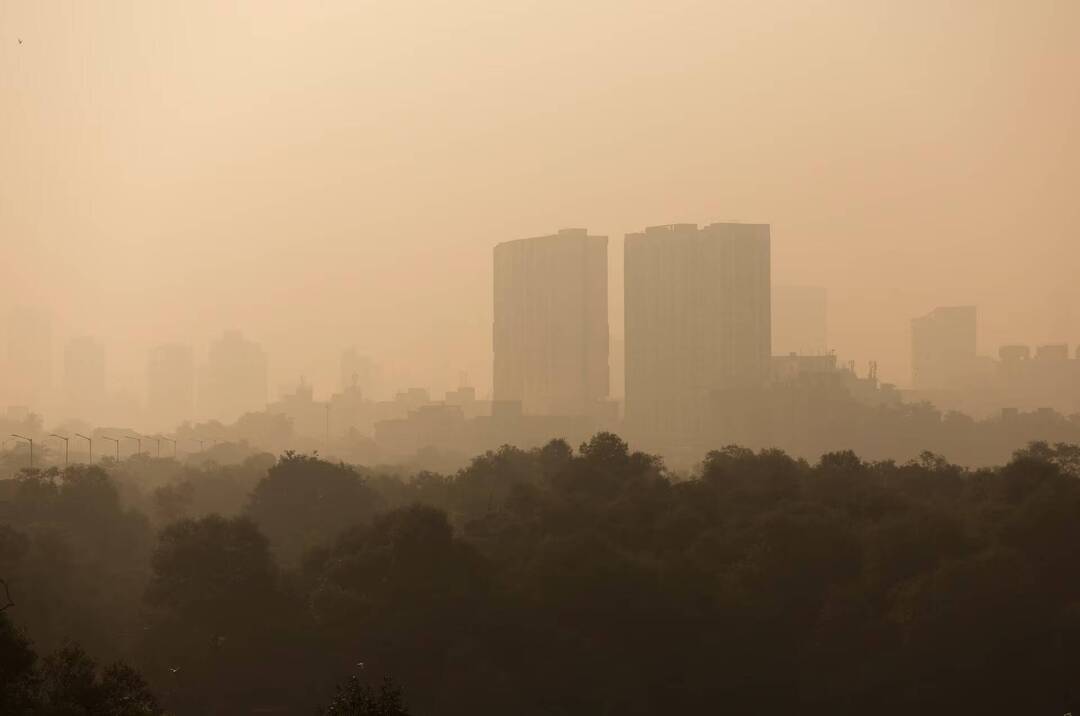
The implications of this study are significant. With air pollution being a major problem in many parts of the world, the fact that it can have such far-reaching effects on our health is a cause for concern. The study suggests that reducing our exposure to air pollution may be an important step in maintaining our overall health, particularly when it comes to protecting our gut and liver.
So, what can we do to reduce our exposure to air pollution? There are several steps that we can take, including:
- Avoiding heavily polluted areas, such as those near major roads or industrial sites
- Using air purifiers to reduce exposure to pollutants in the home
- Wearing masks when outdoors in polluted areas
- Supporting policies and initiatives that aim to reduce air pollution
In addition to these steps, maintaining a healthy lifestyle can also help to mitigate the effects of air pollution on our health. This includes eating a balanced diet, staying hydrated, and getting regular exercise. A healthy gut microbiome is also important, and can be supported through the consumption of fermented foods, such as yogurt and sauerkraut, and by taking probiotics.
In conclusion, the study conducted by UCLA Health highlights the importance of reducing our exposure to air pollution in order to protect our health. The fact that polluted air can disrupt gut health, trigger liver stress, and increase the risk of heart disease is a cause for concern, and suggests that we need to take action to reduce our exposure to pollutants. By taking steps to reduce our exposure to air pollution, and by maintaining a healthy lifestyle, we can help to protect our health and reduce our risk of developing a range of negative health effects.
About the Author