Polluted Air Hurts Gut Health, Triggers Liver Stress: Study
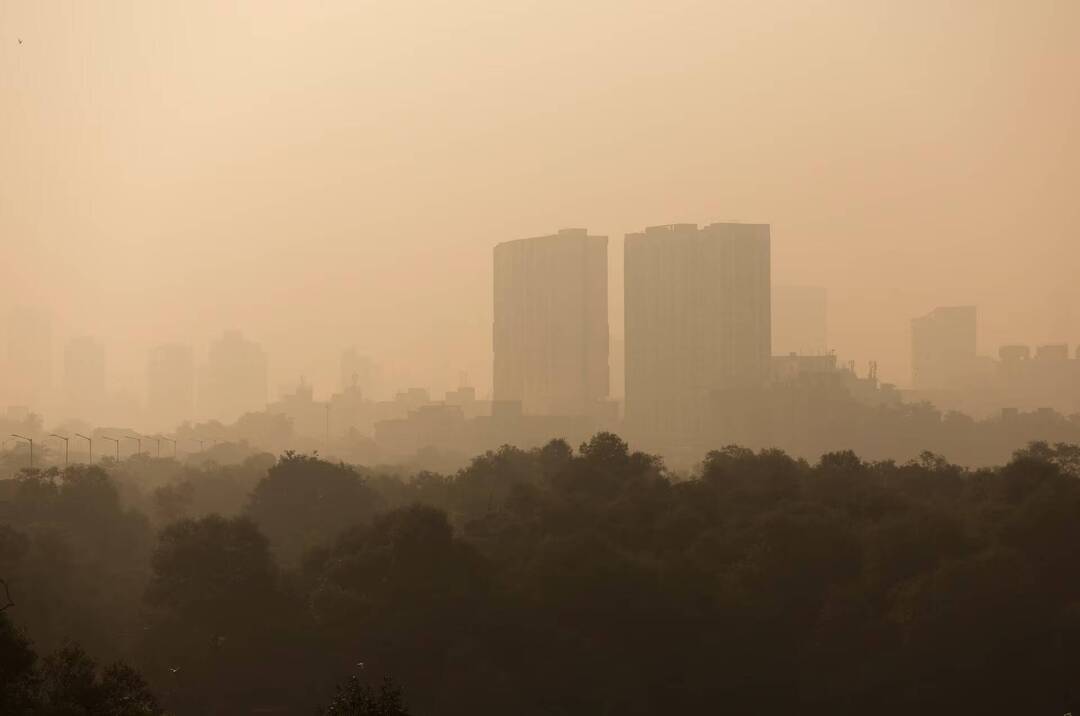
The detrimental effects of air pollution on our health have been well-documented, with links to respiratory problems, cardiovascular disease, and even cognitive impairment. However, a recent study conducted by UCLA Health has shed light on a previously lesser-known consequence of breathing polluted air: its impact on gut health and liver function. The research, which exposed mice to ultrafine air particles over a 10-week period, found significant shifts in their gut microbiome, leading to increased risk of heart disease.
The study’s findings are alarming, to say the least. By inhaling polluted air, we may be inadvertently disrupting the delicate balance of our gut microbiome, triggering liver stress, and ultimately, contributing to the development of cardiovascular disease. The gut microbiome, comprising trillions of microorganisms, plays a vital role in our overall health, influencing everything from digestion and immune function to mental well-being and even cognitive development.
To investigate the effects of air pollution on gut health, the UCLA Health researchers exposed mice to ultrafine air particles, which are commonly found in urban environments. These particles, measuring less than 0.1 micrometers in diameter, are capable of penetrating deep into the lungs and even entering the bloodstream, where they can cause widespread damage.
Over the 10-week period, the researchers monitored the mice’s gut microbiome, looking for any changes in the composition and diversity of the microorganisms. What they found was striking: the mice exposed to polluted air exhibited significant shifts in their gut microbiome, with some species of bacteria increasing in abundance while others decreased.
But what’s even more concerning is the link between these changes in the gut microbiome and the development of cardiovascular disease. The researchers found that the alterations in the gut microbiome were strongly correlated with increased atherosclerotic plaque buildup in the mice’s major arteries. Atherosclerosis, a condition characterized by the accumulation of plaque in the arteries, is a major risk factor for heart disease and stroke.
So, how exactly does air pollution affect the gut microbiome, leading to increased risk of cardiovascular disease? The mechanisms are complex and multifaceted, but several key factors are thought to contribute to this relationship.
Firstly, air pollution can cause inflammation in the body, which can disrupt the balance of the gut microbiome. When the body is exposed to pollutants, it responds by activating the immune system, leading to the release of pro-inflammatory cytokines. These molecules can alter the composition of the gut microbiome, favoring the growth of certain species of bacteria over others.
Secondly, air pollution can damage the lining of the gut, allowing toxins and undigested food particles to leak into the bloodstream. This can trigger an immune response, leading to chronic inflammation and further disrupting the balance of the gut microbiome.
Lastly, air pollution can also affect the liver, which plays a critical role in detoxifying the body and regulating the metabolism of fats and sugars. When the liver is stressed, it can become less efficient at performing these functions, leading to the accumulation of toxins and the development of metabolic disorders.
The implications of this study are far-reaching, highlighting the need for urgent action to reduce air pollution and protect public health. By taking steps to minimize our exposure to polluted air, such as using air purifiers, avoiding heavily trafficked areas, and supporting policies to reduce emissions, we can help mitigate the negative effects of air pollution on our gut health and liver function.
Furthermore, the study’s findings emphasize the importance of maintaining a healthy gut microbiome through a balanced diet, regular exercise, and stress management. By promoting the growth of beneficial microorganisms in the gut, we can help support our overall health and reduce the risk of chronic diseases.
In conclusion, the UCLA Health study provides compelling evidence of the link between air pollution, gut health, and liver function. By exposing mice to ultrafine air particles, the researchers demonstrated the significant shifts in the gut microbiome and the subsequent increase in cardiovascular risk. As we continue to navigate the complexities of air pollution and its effects on human health, it is essential that we prioritize strategies to reduce exposure and promote a healthy gut microbiome.
About the Author