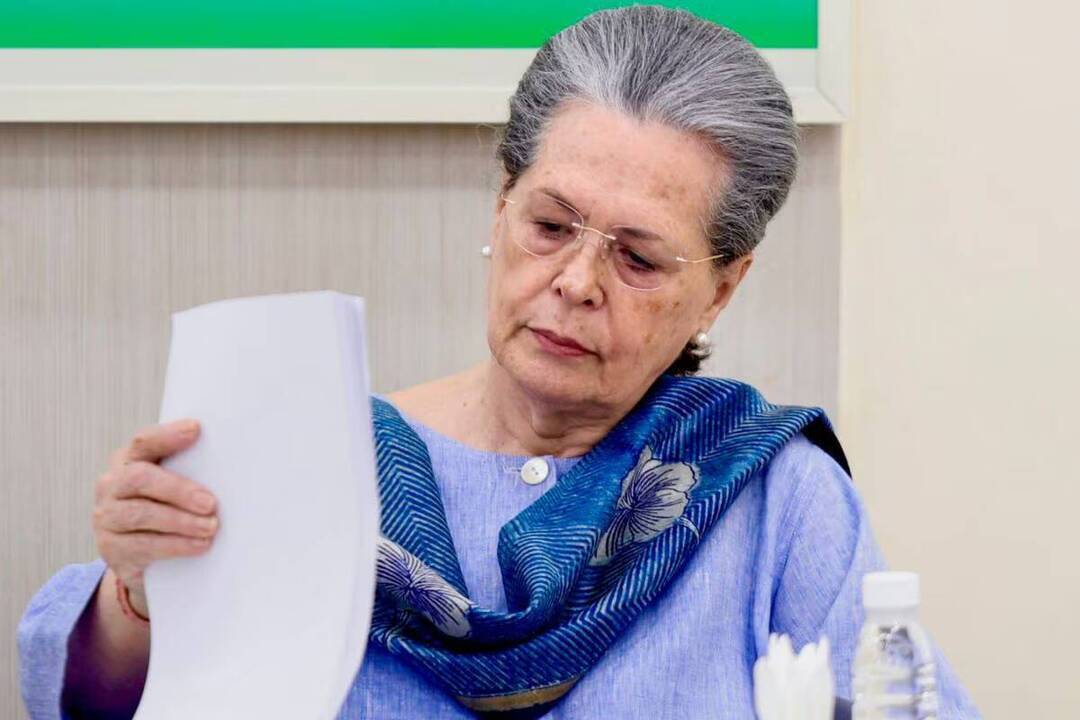
Nehru’s letters not private property, told Sonia Gandhi to return them: Govt
The Ministry of Culture has sparked a significant debate by stating that the letters of former Prime Minister Jawaharlal Nehru are not private property and should be returned to the government. According to the ministry, these letters are a part of the nation’s documentary heritage and should be preserved for the benefit of the general public. In a recent statement, the ministry revealed that they have written to Sonia Gandhi, requesting her to return the letters that are currently in her possession.
The issue of Nehru’s letters has been a topic of discussion for quite some time, with many speculating about their whereabouts. However, the Ministry of Culture has now clarified that the letters are not missing, but are instead with Sonia Gandhi. The ministry has written two letters to Sonia Gandhi, one in January 2025 and another in July 2025, requesting her to return the letters. The move is seen as an attempt by the government to reclaim the nation’s historical documents and make them accessible to the public.
The Ministry of Culture has argued that the letters of Jawaharlal Nehru are an integral part of India’s history and should be preserved as a national treasure. The letters, which date back to the pre-independence era, provide valuable insights into the life and times of one of India’s most revered leaders. They offer a unique perspective on the country’s struggle for independence and the early years of the Indian nation. By returning the letters to the government, Sonia Gandhi can help ensure that they are properly preserved and made available to the public.
The government’s request to Sonia Gandhi has sparked a debate about the ownership of historical documents. While some argue that the letters are a part of the Nehru family’s private property, others believe that they should be considered a national asset. The Ministry of Culture has made it clear that the letters are not private property and should be returned to the government. The move is seen as an attempt to assert the government’s authority over the nation’s historical documents and to ensure that they are preserved for future generations.
The issue of Nehru’s letters is not just about the ownership of historical documents; it is also about the preservation of the nation’s cultural heritage. The letters provide a unique window into the past, offering insights into the life and times of one of India’s most revered leaders. By preserving these letters, the government can help to promote a sense of national pride and identity. The letters can also serve as a valuable resource for historians and researchers, providing them with a unique perspective on the country’s history.
The Ministry of Culture’s request to Sonia Gandhi has also raised questions about the role of the government in preserving the nation’s cultural heritage. The government has a responsibility to protect and preserve the nation’s historical documents, including letters, diaries, and other personal papers of prominent leaders. By reclaiming Nehru’s letters, the government can help to ensure that they are properly preserved and made available to the public.
In recent years, there has been a growing concern about the preservation of India’s cultural heritage. Many historical documents and artifacts have been lost or destroyed, and there is a need for the government to take a more proactive role in preserving the nation’s cultural heritage. The Ministry of Culture’s request to Sonia Gandhi is seen as a step in the right direction, as it asserts the government’s authority over the nation’s historical documents and ensures that they are preserved for future generations.
The issue of Nehru’s letters has also sparked a debate about the role of the Nehru family in Indian politics. The Nehru family has played a significant role in shaping the country’s history, and their personal papers and documents are an integral part of the nation’s cultural heritage. However, the family’s possession of these documents has also raised questions about their ownership and preservation. By returning the letters to the government, Sonia Gandhi can help to ensure that they are preserved for the benefit of the general public.
In conclusion, the Ministry of Culture’s request to Sonia Gandhi to return Nehru’s letters is a significant move that highlights the importance of preserving the nation’s cultural heritage. The letters are not private property, but are instead a part of the nation’s documentary heritage. By reclaiming these letters, the government can help to ensure that they are properly preserved and made available to the public. The move is seen as an attempt to assert the government’s authority over the nation’s historical documents and to promote a sense of national pride and identity.
The government’s request to Sonia Gandhi has sparked a debate about the ownership of historical documents and the preservation of the nation’s cultural heritage. While the issue is complex and multifaceted, it is clear that the government has a responsibility to protect and preserve the nation’s historical documents. By reclaiming Nehru’s letters, the government can help to ensure that they are preserved for future generations and made available to the public.
About the Author