Polluted Air Hurts Gut Health, Triggers Liver Stress: Study
The detrimental effects of air pollution on human health have been well-documented, with links to respiratory problems, cardiovascular disease, and even neurological disorders. However, a recent study conducted by UCLA Health has shed light on a previously underexplored aspect of air pollution’s impact: its effects on gut health and liver function. The research, which exposed mice to ultrafine air particles over a 10-week period, found significant disruptions to the gut microbiome, triggering liver stress and increasing the risk of heart disease.
The study’s findings are alarming, as they suggest that breathing polluted air can have far-reaching consequences for our overall health, extending beyond the lungs and heart to the gut and liver. The gut microbiome, comprising trillions of microorganisms that reside in the digestive tract, plays a crucial role in maintaining a healthy immune system, regulating metabolism, and producing certain vitamins. When the balance of the gut microbiome is disrupted, it can lead to a range of health problems, including digestive issues, inflammation, and even mental health disorders.
In the UCLA Health study, scientists exposed mice to ultrafine air particles, which are smaller than 0.1 micrometers in diameter and can easily penetrate deep into the lungs. Over the 10-week period, the researchers observed significant shifts in the mice’s gut microbiome, with some species of bacteria increasing in abundance while others decreased. These changes were strongly linked to greater atherosclerotic plaque buildup in major arteries, a key indicator of heart disease risk.
The study’s lead author noted that the findings suggest a possible mechanism by which air pollution can contribute to the development of cardiovascular disease. “Our research shows that exposure to ultrafine air particles can alter the gut microbiome, leading to increased inflammation and atherosclerosis,” the author said. “This is a critical step in understanding the complex relationships between air pollution, gut health, and cardiovascular disease.”
The study’s results also highlighted the importance of the liver in responding to air pollution exposure. The liver plays a vital role in detoxifying the body, filtering out harmful substances and toxins from the bloodstream. However, when exposed to ultrafine air particles, the liver can become stressed, leading to inflammation and damage to liver cells. This can have significant consequences for overall health, as the liver is responsible for regulating metabolism, producing bile, and storing essential nutrients.
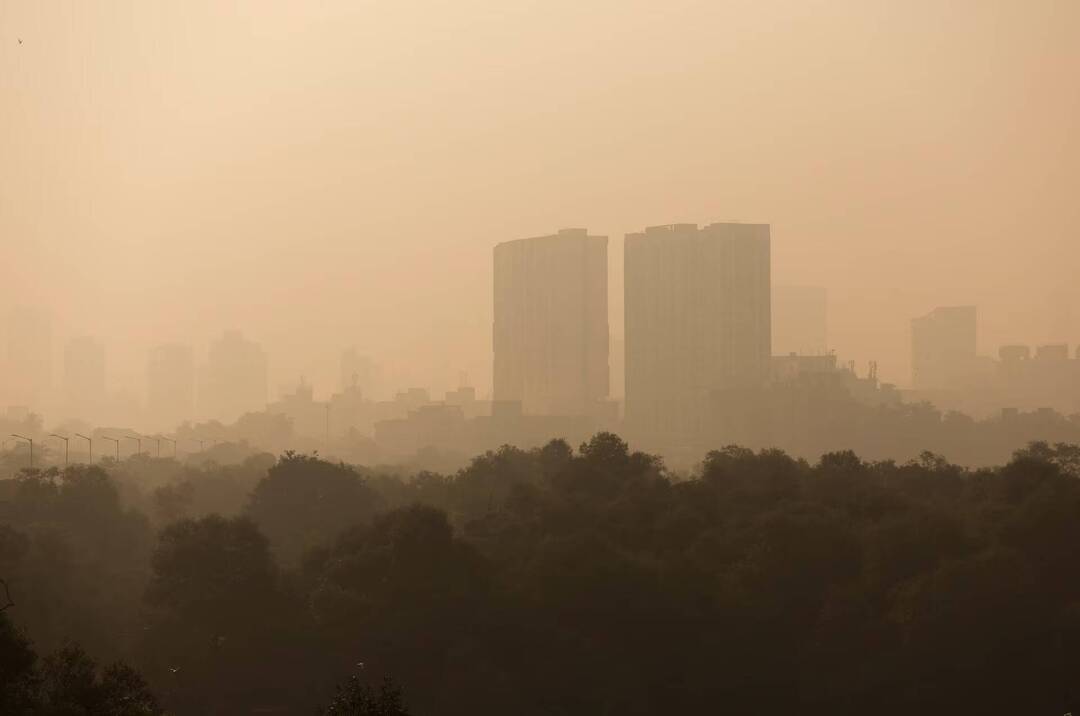
The implications of the study’s findings are far-reaching, particularly in urban areas where air pollution is a significant concern. According to the World Health Organization (WHO), nine out of ten people worldwide breathe polluted air, resulting in an estimated seven million premature deaths each year. The UCLA Health study suggests that the health effects of air pollution may be even more extensive than previously thought, with potential consequences for gut health, liver function, and cardiovascular disease risk.
So, what can be done to mitigate the effects of air pollution on gut health and liver function? The study’s authors recommend reducing exposure to ultrafine air particles, particularly in urban areas with high levels of air pollution. This can be achieved through the use of air purifiers, masks, and other protective measures. Additionally, maintaining a healthy diet rich in fruits, vegetables, and whole grains can help support the growth of beneficial gut bacteria and reduce inflammation.
In conclusion, the UCLA Health study provides compelling evidence that polluted air can have significant effects on gut health, triggering liver stress and increasing the risk of heart disease. As the world grapples with the challenges of air pollution, it is essential to consider the far-reaching consequences of breathing polluted air. By taking steps to reduce exposure to ultrafine air particles and promoting a healthy gut microbiome, we can help mitigate the effects of air pollution and protect our overall health.
About the Author