Polluted air hurts gut health, triggers liver stress: Study
The detrimental effects of air pollution on human health have been well-documented, with links to respiratory problems, cardiovascular disease, and even cognitive impairment. However, a recent study conducted by UCLA Health has shed light on a previously underestimated consequence of breathing polluted air: its impact on gut health and liver function. The research, which exposed mice to ultrafine air particles over a 10-week period, found significant disruptions to the gut microbiome, triggering liver stress and increasing the risk of heart disease.
The study’s findings are alarming, as they suggest that the effects of air pollution extend far beyond the lungs and cardiovascular system, affecting the delicate balance of the gut microbiome and liver function. The gut microbiome, comprising trillions of microorganisms, plays a crucial role in maintaining overall health, influencing digestion, immune function, and even mental well-being. When this balance is disrupted, it can have far-reaching consequences, including increased susceptibility to disease and impaired overall health.
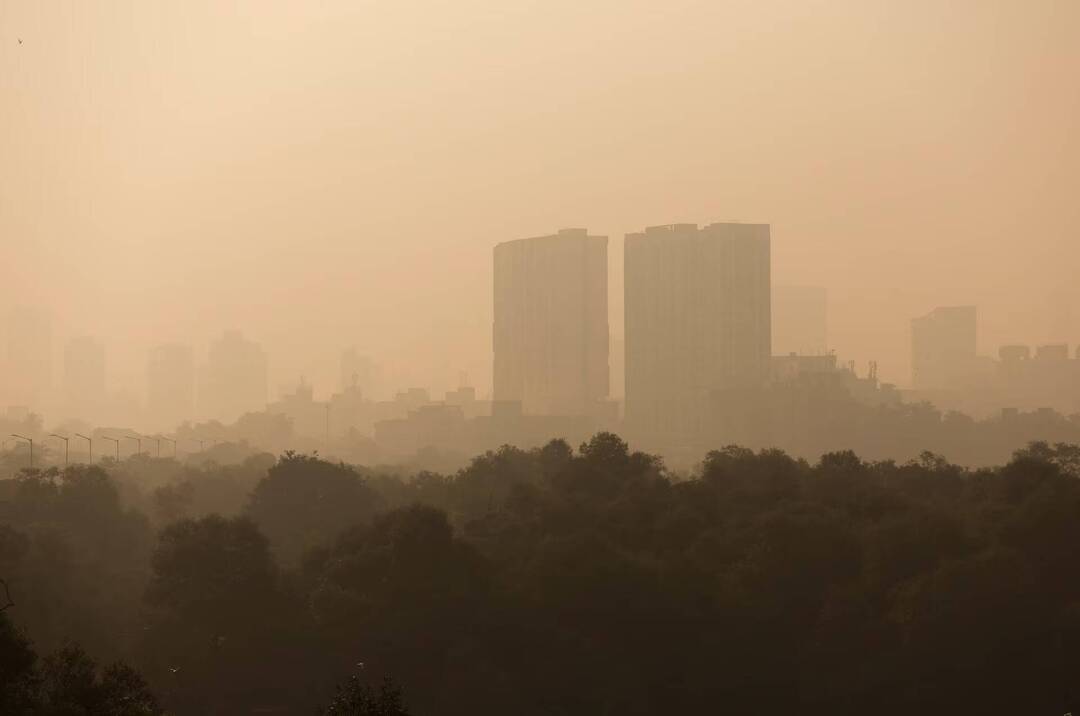
To investigate the impact of air pollution on gut health, the UCLA Health researchers exposed mice to ultrafine air particles, which are commonly found in urban environments. These particles, measuring less than 0.1 micrometers in diameter, are small enough to penetrate deep into the lungs and even enter the bloodstream, allowing them to reach other organs, including the gut and liver. Over the 10-week period, the mice were exposed to levels of air pollution similar to those found in heavily polluted urban areas.
The results were striking. The researchers observed significant shifts in the gut microbiome of the mice, with changes in the diversity and abundance of various microbial species. These changes were strongly linked to increased inflammation and oxidative stress in the liver, as well as greater atherosclerotic plaque buildup in major arteries. Atherosclerotic plaque buildup is a hallmark of cardiovascular disease, which is a leading cause of death worldwide.
The study’s findings have significant implications for human health, particularly in urban areas where air pollution is a major concern. With millions of people worldwide exposed to high levels of air pollution, the potential impact on gut health and liver function is substantial. The researchers suggest that the effects of air pollution on the gut microbiome may be an important mechanism underlying the increased risk of heart disease and other health problems associated with air pollution.
Furthermore, the study highlights the importance of considering the gut-liver axis in the context of air pollution. The gut and liver are intimately connected, with the liver playing a critical role in detoxification and metabolism. When the gut microbiome is disrupted, it can lead to changes in liver function, including increased inflammation and oxidative stress. This, in turn, can have far-reaching consequences, including impaired glucose metabolism, increased risk of fatty liver disease, and even cancer.
The study’s findings also underscore the need for effective strategies to mitigate the effects of air pollution on human health. This can include reducing exposure to air pollution through the use of air purifiers, masks, and other protective measures. Additionally, promoting a healthy diet rich in fruits, vegetables, and whole grains, as well as engaging in regular exercise, can help support gut health and reduce the risk of disease.
In conclusion, the UCLA Health study provides compelling evidence that polluted air can have a profound impact on gut health and liver function, triggering liver stress and increasing the risk of heart disease. As the world grapples with the challenges of air pollution, it is essential to consider the far-reaching consequences of breathing polluted air and to take proactive steps to protect human health. By promoting a better understanding of the effects of air pollution on the gut microbiome and liver function, we can work towards developing effective strategies to mitigate these effects and promote overall health and well-being.
About the Author