Pakistanis using piracy websites to watch ‘Dhurandhar’, that exposes Pak’s terrorism: Report
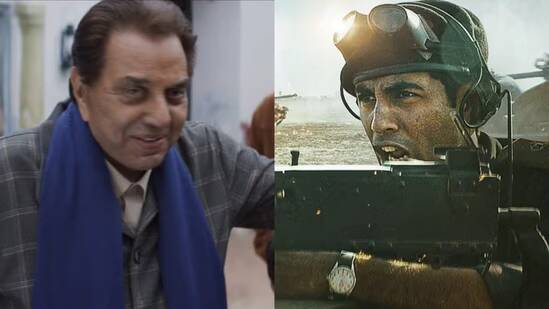
The recent Bollywood film ‘Dhurandhar’ has been making waves in India and beyond, but its impact is being felt particularly strongly in Pakistan. Directed by Aditya Dhar, the movie exposes the role of Pakistan in promoting terrorism and sheds light on the involvement of criminal gangs from Karachi’s Lyari in these activities. As a result, the film has been banned in Pakistan, but that has not stopped Pakistani viewers from accessing it through piracy websites.
According to a report by News18, Pakistanis are using servers in Sri Lanka, Nepal, and Malaysia to watch ‘Dhurandhar’ via piracy links. This has allowed them to bypass the ban and watch the movie, which has apparently become a topic of great interest and discussion among Pakistani audiences. The report highlights the fact that despite the ban, ‘Dhurandhar’ is dominating Pakistan’s digital space and rattling the establishment.
The movie’s portrayal of Pakistan’s role in terrorism has clearly struck a nerve, and it is no surprise that the Pakistani government has chosen to ban it. However, the fact that Pakistani viewers are still managing to access the film through piracy websites suggests that there is a significant appetite for this kind of content in the country. It also highlights the challenges faced by governments in enforcing bans on digital content, particularly in the age of social media and online streaming.
The report by News18 also notes that several Pakistani social media users are creating reels on the movie, which has helped to further fuel the discussion and debate around ‘Dhurandhar’. This has allowed Pakistani viewers to share their thoughts and opinions on the film, even if they are not able to watch it through official channels. The fact that social media platforms are being used to create and share content related to a banned movie is a testament to the power of digital media in circumventing censorship and promoting free speech.
It is worth noting that the ban on ‘Dhurandhar’ in Pakistan is not surprising, given the country’s history of censorship and sensitivity to criticism. However, the fact that Pakistani viewers are still managing to access the film through piracy websites suggests that there is a growing demand for content that challenges the official narrative and promotes critical thinking. This is a positive trend, and one that could potentially contribute to a more nuanced and informed public discourse in Pakistan.
The success of ‘Dhurandhar’ in Pakistan’s digital space also highlights the importance of Bollywood in promoting cultural exchange and understanding between India and Pakistan. Despite the tensions and conflicts between the two countries, Bollywood films have long been popular in Pakistan, and have played a significant role in promoting people-to-people diplomacy and cultural exchange. The fact that ‘Dhurandhar’ is being watched and discussed by Pakistani audiences, despite the ban, suggests that there is still a strong appetite for Indian content in Pakistan, and that Bollywood films can continue to play a positive role in promoting greater understanding and cooperation between the two countries.
In conclusion, the fact that Pakistanis are using piracy websites to watch ‘Dhurandhar’ is a testament to the power of digital media in promoting free speech and challenging censorship. The movie’s portrayal of Pakistan’s role in terrorism has clearly struck a nerve, and it is no surprise that the Pakistani government has chosen to ban it. However, the fact that Pakistani viewers are still managing to access the film through piracy websites suggests that there is a growing demand for content that challenges the official narrative and promotes critical thinking. As the digital landscape continues to evolve, it will be interesting to see how governments and censors respond to the challenges posed by piracy websites and social media platforms.
About the Author