Parliamentary panel pulls up IndiGo, DGCA for unsatisfactory replies over flight crisis
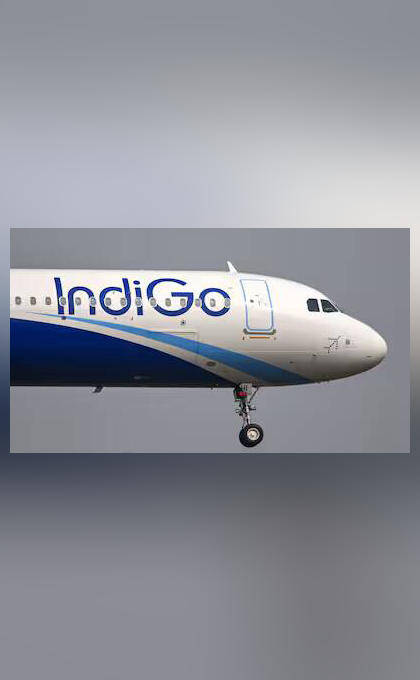
The Indian aviation sector has been facing a severe crisis in recent times, with flights being delayed or cancelled across major airports in the country. The situation has caused inconvenience to thousands of passengers, who have been left stranded at airports, unsure of when they will be able to reach their destinations. In an effort to get to the bottom of the issue, a parliamentary panel recently summoned representatives from IndiGo, India’s largest airline, and the Directorate General of Civil Aviation (DGCA), the regulatory body responsible for overseeing the country’s aviation sector.
The parliamentary panel, which was convened to discuss the ongoing flight crisis, was not pleased with the responses it received from IndiGo and the DGCA. The panel members expressed their disappointment and frustration with the “unsatisfactory and evasive” replies provided by the two entities, which failed to adequately address the reasons behind the flight crisis. The panel’s chairman was particularly critical of the responses, stating that they did not provide any meaningful insights into the causes of the crisis or propose any concrete solutions to mitigate the problem.
IndiGo’s Chief Operating Officer, Isidro Porqueras, was also present at the meeting, but his responses did not seem to impress the panel members. Despite being the largest airline in the country, IndiGo has been at the center of the flight crisis, with many of its flights being delayed or cancelled. The panel members questioned Porqueras about the airline’s scheduling practices, maintenance procedures, and crew management, but his responses were deemed unsatisfactory.
The DGCA, which is responsible for regulating the aviation sector, also came under fire from the panel for its inadequate oversight and lack of effective measures to prevent the flight crisis. The panel members questioned the DGCA’s role in ensuring that airlines comply with safety regulations and follow established protocols, but the regulator’s responses were found wanting.
In light of the unsatisfactory responses, the parliamentary panel has given the Ministry of Civil Aviation, IndiGo, and the DGCA 15 days to respond to its questions and provide detailed explanations for the flight crisis. The panel has also asked the three entities to provide concrete proposals for addressing the crisis and preventing such situations in the future.
The flight crisis has been attributed to a combination of factors, including adverse weather conditions, air traffic congestion, and technical issues with aircraft. However, the parliamentary panel is determined to get to the root of the problem and ensure that the responsible parties take corrective action to prevent such crises in the future.
The panel’s actions are a welcome move, as they demonstrate a commitment to holding the aviation sector accountable for its actions. The flight crisis has caused significant inconvenience to passengers, and it is essential that the responsible parties take concrete steps to address the issue. By pulling up IndiGo and the DGCA for their unsatisfactory responses, the parliamentary panel is sending a strong message that it will not tolerate evasive or inadequate responses to critical questions.
As the situation continues to unfold, it remains to be seen how the Ministry of Civil Aviation, IndiGo, and the DGCA will respond to the parliamentary panel’s questions and demands. The next 15 days will be crucial, as the three entities will be required to provide detailed explanations and proposals for addressing the flight crisis. The parliamentary panel’s actions are a step in the right direction, and it is hoped that they will lead to meaningful changes in the aviation sector, ensuring that passengers are not subjected to such inconvenience in the future.
In conclusion, the parliamentary panel’s decision to pull up IndiGo and the DGCA for their unsatisfactory responses is a significant development in the ongoing flight crisis. The panel’s actions demonstrate a commitment to holding the aviation sector accountable and ensuring that the responsible parties take corrective action to prevent such crises in the future. As the situation continues to unfold, it is essential to keep a close eye on the developments and ensure that the responsible parties are held accountable for their actions.
About the Author