Parliamentary panel pulls up IndiGo, DGCA for unsatisfactory replies over flight crisis
The Indian aviation industry has been facing a severe crisis in recent times, with flight delays and cancellations becoming a norm across major airports. The situation has been exacerbated by the lack of transparency and accountability from the airlines and regulatory bodies. In a recent development, a parliamentary panel has pulled up IndiGo, one of the largest airlines in India, and the Directorate General of Civil Aviation (DGCA) for their “unsatisfactory and evasive” replies to the reasons behind the flight crisis.
The parliamentary panel, which was convened to discuss the ongoing flight crisis, expressed its disappointment and frustration with the responses provided by IndiGo and DGCA. The panel felt that the replies were not only unsatisfactory but also evasive, failing to provide any concrete explanations for the crisis. The panel’s chairman was particularly scathing in his criticism, stating that the responses were “unacceptable” and “lacked substance.”
The meeting was attended by IndiGo’s Chief Operating Officer (COO), Isidro Porqueras, who was expected to provide some clarity on the issues facing the airline. However, the panel was not impressed with his responses, which were seen as inadequate and lacking in detail. The panel’s members felt that Porqueras failed to provide any meaningful insights into the problems facing IndiGo and the steps being taken to address them.
The parliamentary panel has given the Ministry of Civil Aviation, IndiGo, and DGCA 15 days to respond to its questions and provide more detailed explanations for the flight crisis. The panel has made it clear that it expects more substantive and satisfactory responses this time around, and any further evasiveness or lack of transparency will be viewed seriously.
The flight crisis in India has been causing significant inconvenience to passengers, with many facing delays and cancellations. The situation has been particularly bad at major airports such as Delhi and Mumbai, where passengers have been forced to wait for hours or even days for their flights. The crisis has been attributed to a variety of factors, including staff shortages, technical issues, and inadequate infrastructure.
The DGCA, which is responsible for regulating the aviation industry in India, has been criticized for its lack of oversight and failure to take effective action to address the crisis. The regulatory body has been accused of being too lenient with airlines, allowing them to flout rules and regulations with impunity. The parliamentary panel’s criticism of DGCA is a clear indication that the regulatory body needs to step up its game and take more effective action to address the crisis.
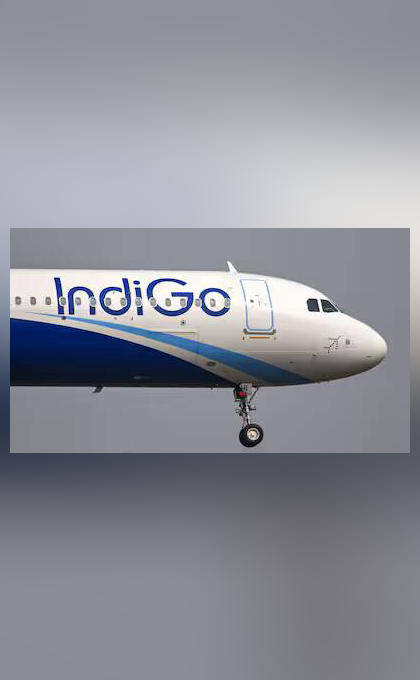
IndiGo, which is one of the largest airlines in India, has been at the center of the flight crisis. The airline has been facing significant challenges, including staff shortages and technical issues, which have led to a large number of flight delays and cancellations. The airline’s management has been criticized for its handling of the crisis, with many feeling that it has been slow to respond and inadequate in its communication with passengers.
The parliamentary panel’s action is a welcome move, as it highlights the need for greater accountability and transparency in the aviation industry. The panel’s criticism of IndiGo and DGCA is a clear indication that the industry needs to step up its game and provide better services to passengers. The 15-day deadline given to the Ministry of Civil Aviation, IndiGo, and DGCA to respond to the panel’s questions is a significant development, as it provides an opportunity for the industry to reflect on its performance and come up with concrete solutions to address the crisis.
In conclusion, the parliamentary panel’s criticism of IndiGo and DGCA is a significant development in the ongoing flight crisis in India. The panel’s action highlights the need for greater accountability and transparency in the aviation industry, and the need for more effective action to address the crisis. The 15-day deadline given to the Ministry of Civil Aviation, IndiGo, and DGCA to respond to the panel’s questions is a significant opportunity for the industry to reflect on its performance and come up with concrete solutions to address the crisis. As the situation continues to unfold, it remains to be seen how the industry will respond to the panel’s criticism and what concrete steps will be taken to address the flight crisis.
About the Author