Parliamentary panel pulls up IndiGo, DGCA for unsatisfactory replies over flight crisis
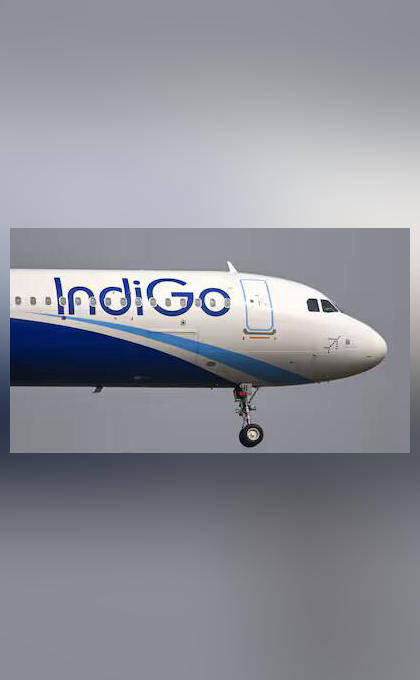
The Indian aviation industry has been grappling with a severe flight crisis in recent times, with major airports across the country facing significant disruptions and delays. The situation has been exacerbated by the lack of clarity and accountability from the stakeholders involved, including the airlines and regulatory bodies. In a recent development, a parliamentary panel has pulled up IndiGo, one of the largest airlines in the country, and the Directorate General of Civil Aviation (DGCA) for their “unsatisfactory and evasive” replies to the reasons behind the flight crisis.
The parliamentary panel, which was convened to discuss the ongoing flight crisis, was disappointed with the responses provided by IndiGo and DGCA. The panel felt that the replies were inadequate and failed to address the core issues behind the crisis. As a result, the panel has given 15 days to the Ministry of Civil Aviation, IndiGo, and DGCA to respond to its questions and provide a detailed explanation for the flight crisis.
IndiGo’s Chief Operating Officer (COO), Isidro Porqueras, was also present in the meeting and was expected to provide clarity on the airline’s perspective on the crisis. However, the panel was not satisfied with the responses provided by Porqueras and felt that the airline was not taking sufficient responsibility for the disruptions caused to passengers.
The flight crisis in India has been caused by a combination of factors, including a shortage of pilots, air traffic control issues, and infrastructure constraints at major airports. The situation has been further complicated by the rapid growth of air travel in the country, which has put a strain on the existing infrastructure and resources.
The parliamentary panel’s decision to pull up IndiGo and DGCA is a significant development, as it highlights the need for greater accountability and transparency in the aviation industry. The panel’s action is also a reflection of the growing frustration among passengers and stakeholders with the lack of reliable and efficient air travel services in the country.
The DGCA, which is the regulatory body responsible for overseeing the aviation industry in India, has been criticized for its lack of effectiveness in addressing the flight crisis. The regulator has been accused of being too lenient with airlines and not taking sufficient action to ensure that they comply with safety and operational standards.
IndiGo, which is one of the largest airlines in India, has also faced criticism for its handling of the flight crisis. The airline has been accused of prioritizing profits over passenger convenience and safety, and has faced numerous complaints from passengers about delays, cancellations, and poor customer service.
The parliamentary panel’s decision to give 15 days to the Ministry of Civil Aviation, IndiGo, and DGCA to respond to its questions is a significant step towards addressing the flight crisis in India. The panel’s action is expected to put pressure on the stakeholders involved to take concrete steps to address the issues behind the crisis and ensure that passengers receive reliable and efficient air travel services.
In conclusion, the parliamentary panel’s decision to pull up IndiGo and DGCA is a significant development in the ongoing flight crisis in India. The panel’s action highlights the need for greater accountability and transparency in the aviation industry and is expected to put pressure on the stakeholders involved to take concrete steps to address the issues behind the crisis. As the situation continues to unfold, it remains to be seen how the Ministry of Civil Aviation, IndiGo, and DGCA will respond to the panel’s questions and what steps they will take to address the flight crisis in India.
About the Author