Nehru’s letters not private property, told Sonia Gandhi to return them: Govt
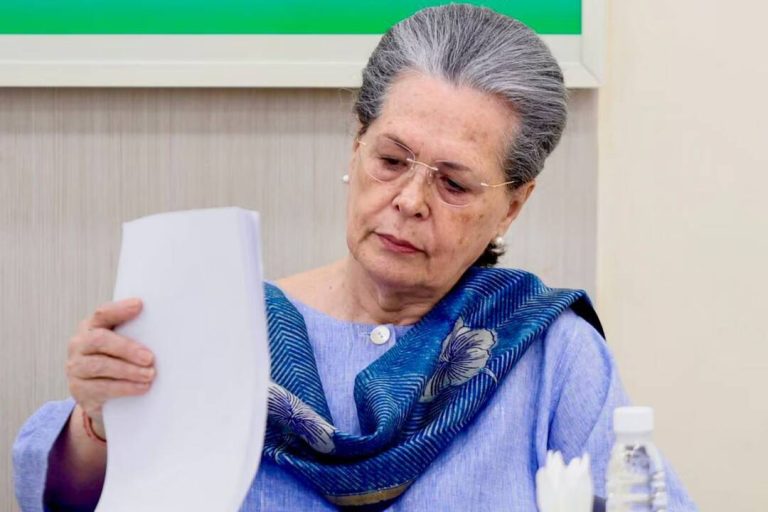
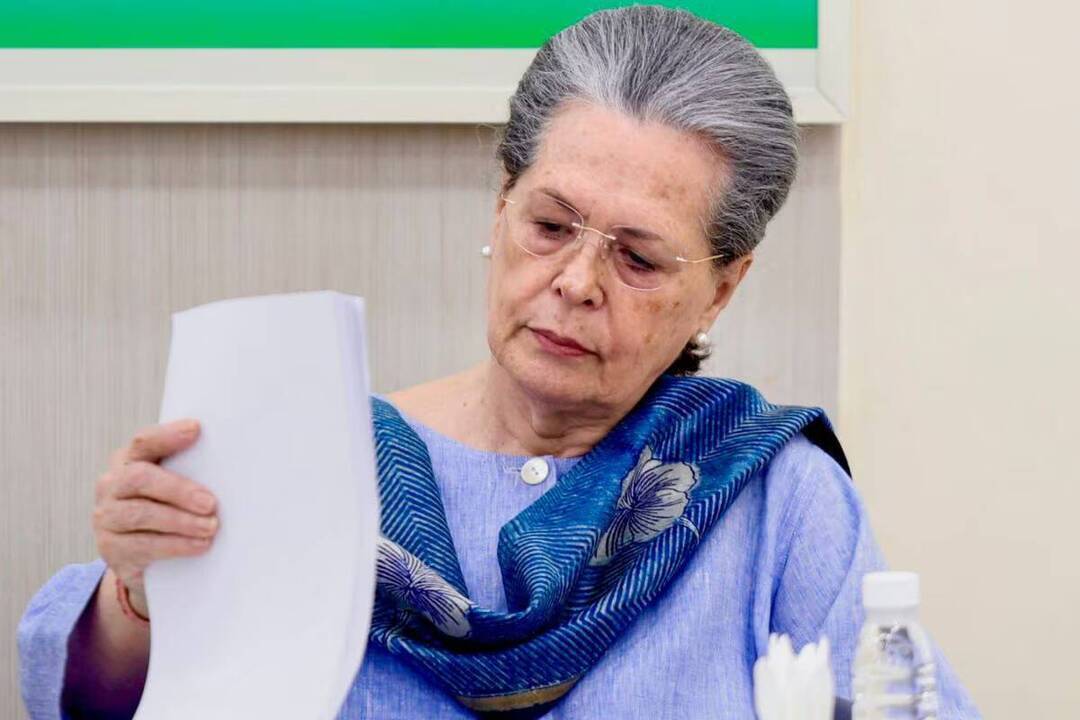
The Ministry of Culture on Wednesday said that the letters of former Prime Minister Jawaharlal Nehru are not private property and stated that they have asked Sonia Gandhi to return these letters. The ministry stated that the letters are the nation’s documentary heritage and they have written two letters to Sonia Gandhi in January and July 2025 requesting their return. This development has sparked a debate about the ownership and preservation of historical documents in India.
The Ministry of Culture has clarified that the letters of Jawaharlal Nehru are an integral part of the nation’s history and therefore, cannot be considered as private property. The ministry has emphasized that these letters are a part of the country’s cultural heritage and should be preserved and protected for future generations. By asking Sonia Gandhi to return the letters, the government is taking a significant step towards ensuring that these historical documents are safeguarded and made accessible to the public.
The letters in question are a collection of correspondence between Jawaharlal Nehru and other prominent leaders of the time, including Mahatma Gandhi and Subhas Chandra Bose. These letters provide valuable insights into the political and social landscape of India during the pre-independence era and are considered to be of great historical significance. The Ministry of Culture has argued that these letters are a national treasure and should be preserved in a national archive or museum, where they can be studied and appreciated by scholars and the general public.
The government’s decision to ask Sonia Gandhi to return the letters has been seen as a move to assert the nation’s ownership over its cultural heritage. The Ministry of Culture has stated that the letters are not the personal property of any individual, including Sonia Gandhi, and should be returned to the nation. This move is also seen as an attempt to promote transparency and accountability in the preservation of historical documents.
The issue of ownership and preservation of historical documents is a complex one, and the government’s decision to ask Sonia Gandhi to return the letters has raised several questions. One of the key concerns is the question of who has the right to own and preserve historical documents. Should they be considered as private property, or should they be preserved as a part of the nation’s cultural heritage?
The Ministry of Culture has argued that historical documents, such as the letters of Jawaharlal Nehru, are a part of the nation’s cultural heritage and should be preserved and protected for future generations. The ministry has stated that these documents are a national treasure and should be safeguarded and made accessible to the public. This argument is based on the principle that historical documents are a shared heritage of the nation and should be preserved for the benefit of all citizens.
On the other hand, some have argued that historical documents can be considered as private property, especially if they have been inherited or acquired by an individual or family. This argument is based on the principle of private ownership and the right to possess and preserve personal property. However, this argument raises concerns about the preservation and accessibility of historical documents, as they may be kept in private collections and not be accessible to the public.
The government’s decision to ask Sonia Gandhi to return the letters has also raised questions about the role of the state in preserving cultural heritage. Should the state play a proactive role in preserving and protecting historical documents, or should it leave it to private individuals and organizations? The Ministry of Culture has argued that the state has a responsibility to preserve and protect the nation’s cultural heritage, including historical documents.
In conclusion, the Ministry of Culture’s decision to ask Sonia Gandhi to return the letters of Jawaharlal Nehru has sparked a debate about the ownership and preservation of historical documents in India. The government’s argument that these letters are a part of the nation’s cultural heritage and should be preserved and protected for future generations is a valid one. The issue of ownership and preservation of historical documents is a complex one, and the government’s decision has raised several questions about the role of the state and private individuals in preserving cultural heritage.
As the debate continues, it is essential to consider the principles of preservation and accessibility of historical documents. The nation’s cultural heritage is a shared treasure that should be preserved and protected for the benefit of all citizens. The government’s decision to ask Sonia Gandhi to return the letters is a step in the right direction, and it is hoped that it will lead to a more comprehensive and inclusive approach to preserving and protecting India’s cultural heritage.
About the Author