Polluted Air Hurts Gut Health, Triggers Liver Stress: Study
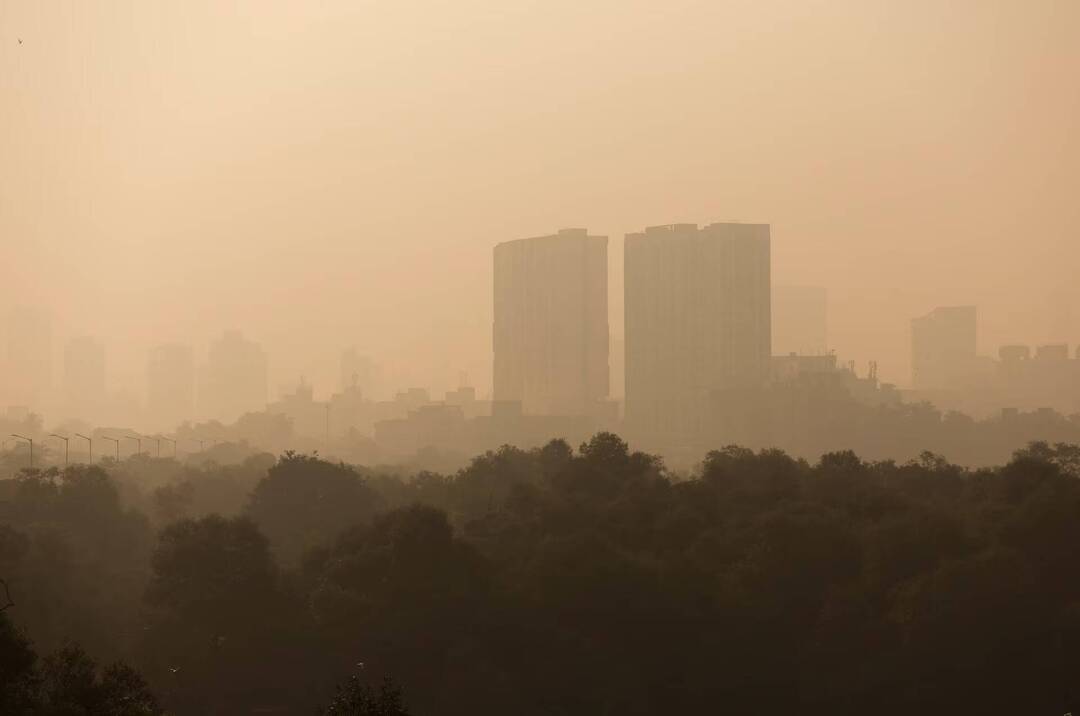
The detrimental effects of air pollution on human health have been well-documented, with links to respiratory problems, cardiovascular disease, and even neurological disorders. However, a recent study conducted by UCLA Health has shed new light on the far-reaching consequences of breathing polluted air, revealing that it can disrupt gut health, trigger liver stress, and increase the risk of heart disease.
The research, which exposed mice to ultrafine air particles over a 10-week period, found significant shifts in the gut microbiome of the animals. These changes were strongly linked to greater atherosclerotic plaque buildup in major arteries, a key indicator of cardiovascular disease. The findings suggest that the impact of air pollution on human health is even more extensive than previously thought, with the potential to affect not just the lungs and heart, but also the gut and liver.
To conduct the study, the researchers used a controlled environment to expose mice to ultrafine air particles, which are commonly found in urban areas and are known to be particularly harmful to human health. The mice were divided into two groups, with one group exposed to clean air and the other to polluted air. Over the 10-week period, the researchers monitored the mice for changes in their gut microbiome, liver function, and cardiovascular health.
The results were striking. The mice exposed to polluted air showed significant changes in their gut microbiome, with a decrease in beneficial bacteria and an increase in pathogenic bacteria. This shift in the balance of the gut microbiome was associated with increased inflammation in the liver and the development of atherosclerotic plaques in the arteries. In contrast, the mice exposed to clean air showed no significant changes in their gut microbiome or cardiovascular health.
The study’s findings have significant implications for human health, particularly in urban areas where air pollution is a major concern. The researchers suggest that the disruption of the gut microbiome caused by air pollution could be a key factor in the development of cardiovascular disease, as the changes in the gut microbiome can lead to increased inflammation and the formation of atherosclerotic plaques.
Furthermore, the study highlights the importance of considering the impact of air pollution on the gut microbiome and liver health, in addition to its well-known effects on the lungs and heart. The researchers note that the gut microbiome plays a critical role in maintaining overall health, and that disruptions to the balance of the gut microbiome can have far-reaching consequences.
The study’s lead author noted that the findings suggest that air pollution is a “whole-body problem,” and that reducing exposure to polluted air is essential for maintaining overall health. The researchers recommend that individuals take steps to minimize their exposure to air pollution, such as wearing masks, avoiding heavily trafficked areas, and supporting policies to reduce air pollution.
In addition to the individual-level recommendations, the study’s findings also have implications for public health policy. The researchers suggest that policymakers should prioritize reducing air pollution, particularly in urban areas, to protect the health of citizens. This could involve implementing stricter regulations on emissions, investing in clean energy, and promoting sustainable transportation options.
In conclusion, the UCLA Health study provides new evidence of the far-reaching consequences of air pollution on human health, highlighting the importance of considering the impact on the gut microbiome and liver health, in addition to the well-known effects on the lungs and heart. The findings suggest that reducing exposure to polluted air is essential for maintaining overall health, and that policymakers should prioritize reducing air pollution to protect the health of citizens.
About the Author