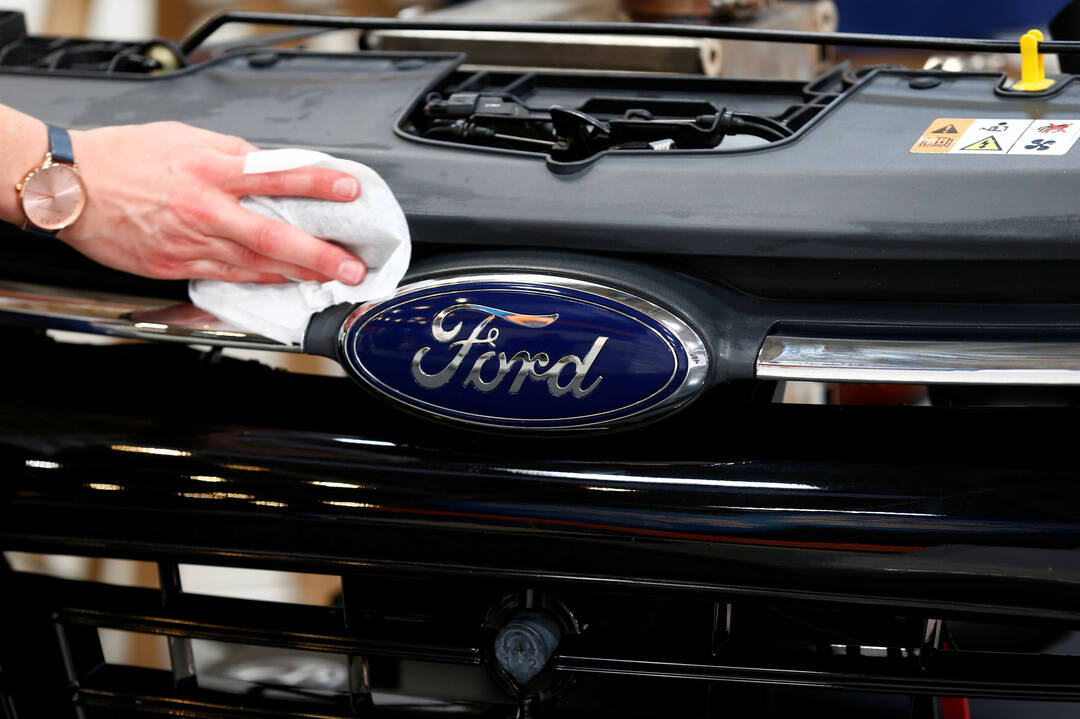
Ford to spend ₹1.77 lakh crore to cancel EV models; shift back to ICE, hybrid cars
In a shocking move, Ford has announced a massive $19.5-billion (about ₹1.77 lakh crore) charge on its electric-vehicle investments, signaling a significant shift in its strategy towards EVs. The American automaker has decided to cancel several of its future electric vehicle models, and instead, focus on producing models with internal combustion engines (ICE) and hybrid engines. This move has sent shockwaves throughout the automotive industry, with many wondering what prompted Ford to take such a drastic step.
According to the company, about $8.5 billion of the charge is tied to costs associated with killing future EVs. This is a significant amount, and it highlights the substantial investments that Ford had made in its EV program. The company had been aggressively pushing towards electrification, with plans to launch several new EV models in the coming years. However, it seems that those plans have now been put on hold.
Another significant chunk of the charge, about $6 billion, is tied to a now-cancelled battery operation joint venture (JV) with South Korea’s SK On. This JV was supposed to be a key part of Ford’s EV strategy, providing the company with access to advanced battery technology. However, it seems that the partnership has now been scrapped, and Ford will have to look elsewhere for its battery needs.
Perhaps the most significant aspect of Ford’s new strategy is the conversion of its flagship electric truck-manufacturing factory in Tennessee to produce models with ICE and hybrid engines. This factory was supposed to be a key production facility for Ford’s EVs, and its conversion is a clear indication that the company is shifting its focus away from electric vehicles. The factory will now produce models with traditional ICE engines, as well as hybrid engines, which combine a traditional engine with an electric motor.
This move by Ford is likely to have significant implications for the automotive industry as a whole. The company’s decision to shift away from EVs and towards ICE and hybrid engines is a clear indication that the industry is not yet ready for a full-scale transition to electric vehicles. While many companies, including Tesla, General Motors, and Volkswagen, have been aggressively pushing towards electrification, Ford’s move suggests that there may be significant challenges and costs associated with this transition.
One of the main reasons for Ford’s decision may be the high costs associated with developing and producing electric vehicles. While EVs have many advantages, including lower operating costs and reduced emissions, they are often more expensive to produce than traditional ICE vehicles. This is because EVs require advanced battery technology, which is still relatively expensive. Additionally, EVs often require significant investments in new manufacturing facilities and equipment, which can be costly.
Another reason for Ford’s decision may be the lack of demand for electric vehicles. While EVs have been gaining popularity in recent years, they still account for only a small percentage of total vehicle sales. Many consumers are hesitant to switch to EVs due to concerns about range anxiety, charging time, and high upfront costs. As a result, Ford may have decided that it is not worth investing heavily in EVs, at least not yet.
Despite the challenges and costs associated with EVs, many companies are still committed to electrification. Tesla, for example, has been a pioneer in the EV industry and has seen significant success with its electric vehicles. Other companies, such as General Motors and Volkswagen, have also made significant investments in EV technology and are planning to launch several new EV models in the coming years.
In conclusion, Ford’s decision to shift away from EVs and towards ICE and hybrid engines is a significant development in the automotive industry. The company’s $19.5-billion charge on its EV investments is a clear indication that the transition to electric vehicles is not yet complete, and that there are still significant challenges and costs associated with this transition. While many companies are still committed to electrification, Ford’s move suggests that the industry may need to take a more nuanced approach to EVs, at least in the short term.
News Source: https://www.reuters.com/business/autos-transportation/fords-195-billion-ev-writedown-five-things-know-2025-12-16/
About the Author