Gangs of Gandhinagar’ misusing agencies: Congress on National Herald row
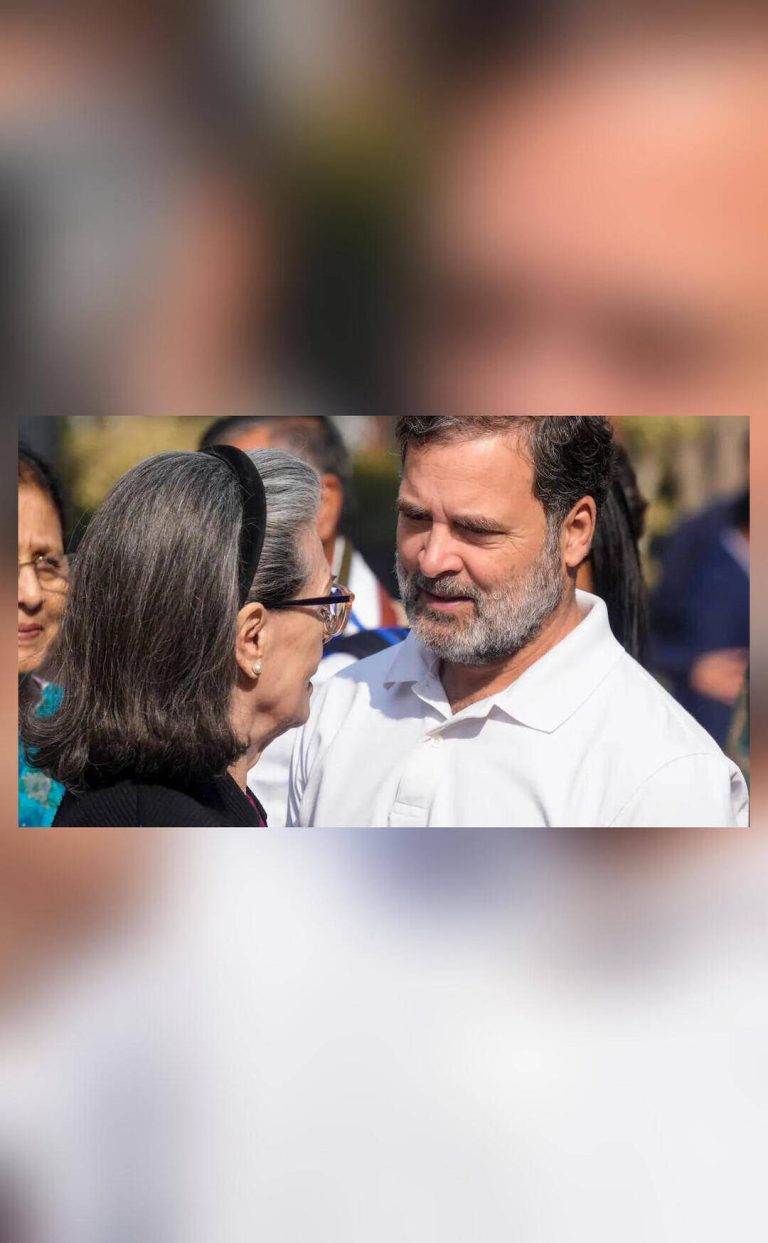
The National Herald case has been a long-standing controversy, with the Congress party and its leaders, Sonia and Rahul Gandhi, at the center of the storm. Recently, a Delhi court refused to take cognisance of the Enforcement Directorate’s (ED) money laundering case against the Gandhis, citing a lack of evidence. This development has sparked a fresh wave of allegations and counter-allegations between the Congress party and the ruling Bharatiya Janata Party (BJP).
In a scathing attack on the Centre, the Congress party alleged that the case was a deliberate attempt to target its leadership. Congress spokesperson Pawan Khera was quoted as saying, “The gangs of Gandhinagar’s misuse of central agencies stands exposed today.” The term “Gangs of Gandhinagar” is a clever play on words, referencing the city of Gandhinagar, which is the capital of Gujarat, the home state of Prime Minister Narendra Modi and Home Minister Amit Shah.
By using this term, the Congress party is essentially implying that the BJP leadership, particularly Modi and Shah, are using central agencies such as the ED to settle scores with their political opponents. This is not the first time that the Congress party has made such allegations, but the use of the term “Gangs of Gandhinagar” adds a new dimension to the narrative.
The National Herald case itself is complex and has a long history. The case revolves around the alleged misappropriation of funds by the Gandhis and other Congress leaders, who are accused of using party funds to purchase a commercial property in Delhi. The ED had filed a chargesheet against the Gandhis and others, alleging that they had laundered money to the tune of hundreds of crores.
However, the Delhi court’s refusal to take cognisance of the ED’s case has given the Congress party a fresh lease of life. The party has been quick to seize on the opportunity, alleging that the case was always a politically motivated attempt to target the Gandhis.
The Congress party’s allegations of misuse of central agencies are not unfounded. There have been several instances in the past where the ED and other central agencies have been accused of being used as tools to target opposition leaders. The arrest of several opposition leaders, including former Finance Minister P. Chidambaram, on charges of corruption and money laundering, has been seen as a manifestation of this trend.
The use of the term “Gangs of Gandhinagar” is also significant, as it seeks to shift the narrative away from the Congress party’s own alleged wrongdoing and towards the BJP’s alleged misuse of power. By implying that the BJP leadership is using central agencies to settle scores, the Congress party is attempting to create a sense of moral equivalence between the two parties.
However, it remains to be seen whether this strategy will pay off for the Congress party. The BJP has been quick to hit back, accusing the Congress party of trying to deflect attention from its own alleged wrongdoing. The BJP has also pointed out that the ED’s investigation into the National Herald case was initiated during the tenure of the previous UPA government, and that the agency’s actions are guided by the law, rather than any political considerations.
As the battle between the Congress party and the BJP continues, it is clear that the National Herald case will remain a major point of contention between the two parties. The use of the term “Gangs of Gandhinagar” has added a new layer of complexity to the narrative, and it will be interesting to see how the BJP responds to these allegations.
In conclusion, the Congress party’s allegations of misuse of central agencies by the “Gangs of Gandhinagar” are a clever attempt to shift the narrative and create a sense of moral equivalence between the two parties. However, it remains to be seen whether this strategy will pay off, or whether the BJP will be able to counter these allegations and maintain its momentum.
About the Author