Scientists create world’s smallest programmable robots, share pics
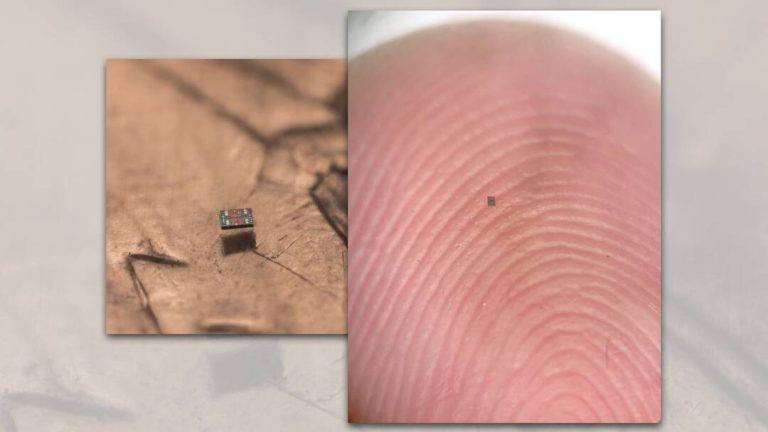
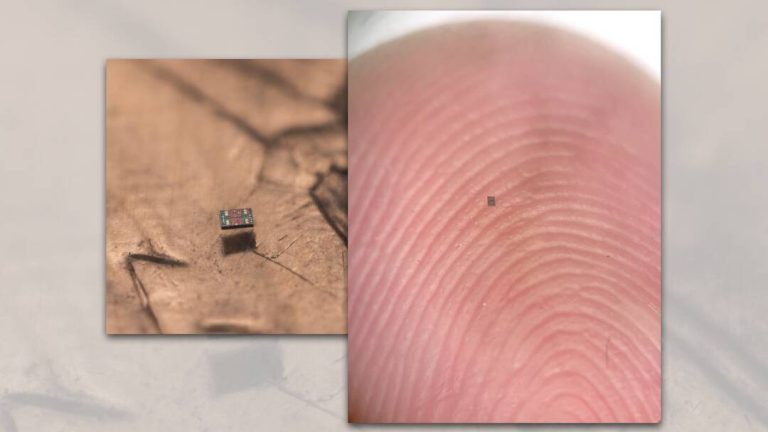
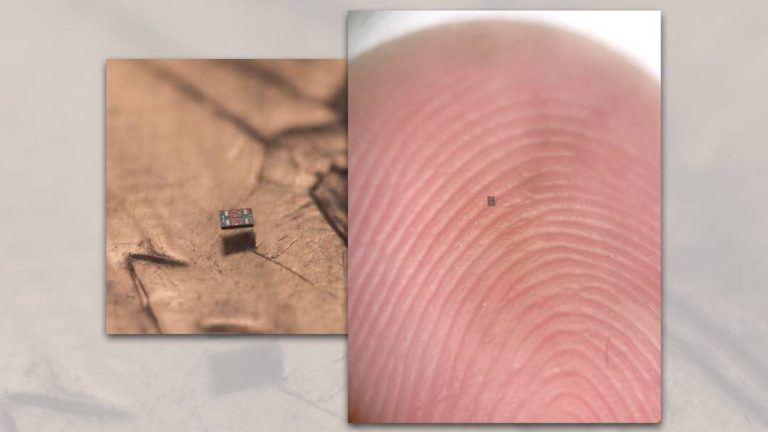
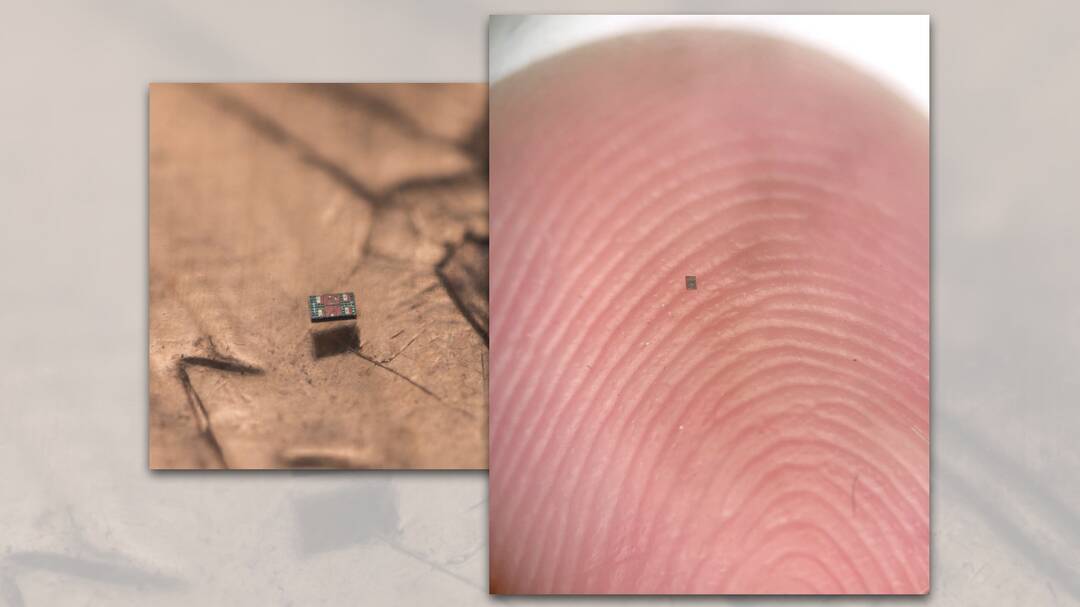
In a breakthrough that is set to revolutionize the field of robotics, researchers from the Universities of Pennsylvania and Michigan have successfully created the world’s smallest fully programmable and autonomous robots. These microscopic swimming machines are capable of independently sensing and responding to their surroundings, and their tiny size is a marvel of modern engineering. Measuring just 0.2 by 0.3 by 0.05 millimeters, these robots are barely visible to the naked eye, and their cost is equally impressive – a mere penny per unit.
The creation of these tiny robots is a significant achievement, as it opens up new possibilities for a wide range of applications, from medical treatments to environmental monitoring. The robots’ ability to sense and respond to their surroundings makes them ideal for tasks that require a high degree of autonomy and adaptability. For example, they could be used to swim through the bloodstream to deliver targeted treatments, or to navigate through complex environments to detect and respond to environmental hazards.
One of the key challenges in creating these tiny robots was developing a system that could control their movement and behavior. The researchers used a novel approach that involves using a magnetic field to propel the robots through a fluid. This allows the robots to move and change direction in response to changes in their surroundings, and it also enables them to be programmed to perform specific tasks.
The robots are made up of a thin layer of metal that is shaped into a tiny spiral. This spiral is then coated with a layer of magnetic material, which allows the robot to be controlled using a magnetic field. The magnetic field is generated by a series of coils that are placed around the fluid in which the robot is swimming. By varying the strength and direction of the magnetic field, the researchers can control the movement and behavior of the robot.
The programming of the robots is done using a sophisticated algorithm that takes into account the robot’s surroundings and the task that it is designed to perform. The algorithm uses a combination of sensors and machine learning techniques to enable the robot to adapt to changing conditions and to learn from its experiences. This allows the robot to improve its performance over time, and to respond to unexpected events and challenges.
The potential applications of these tiny robots are vast and varied. They could be used to swim through the bloodstream to deliver targeted treatments, such as chemotherapy or antibiotics, directly to the site of a disease or infection. They could also be used to navigate through complex environments, such as pipes or ducts, to detect and respond to environmental hazards, such as leaks or blockages.
In addition to their potential medical and environmental applications, these tiny robots could also be used in a wide range of other fields, including manufacturing, transportation, and security. For example, they could be used to inspect and maintain complex machinery, or to detect and respond to security threats.
The creation of these tiny robots is a significant achievement, and it demonstrates the power and potential of modern robotics. As the field continues to evolve and advance, we can expect to see even more impressive and innovative developments in the years to come.
In conclusion, the world’s smallest fully programmable and autonomous robots have been created by researchers from the Universities of Pennsylvania and Michigan. These microscopic swimming machines are capable of independently sensing and responding to their surroundings, and their tiny size and low cost make them ideal for a wide range of applications. With their potential to revolutionize fields such as medicine, environmental monitoring, and manufacturing, these tiny robots are an exciting and promising development that is sure to have a major impact in the years to come.
News Source: https://www.seas.upenn.edu/stories/penn-and-umich-create-worlds-smallest-programmable-autonomous-robots/
About the Author