Scientists create world’s smallest programmable robots, share pics
In a groundbreaking achievement, researchers from the Universities of Pennsylvania and Michigan have successfully created the world’s smallest fully programmable and autonomous robots. These microscopic swimming machines are capable of independently sensing and responding to their surroundings, paving the way for a new generation of tiny robots that can navigate and interact with their environment in unprecedented ways.
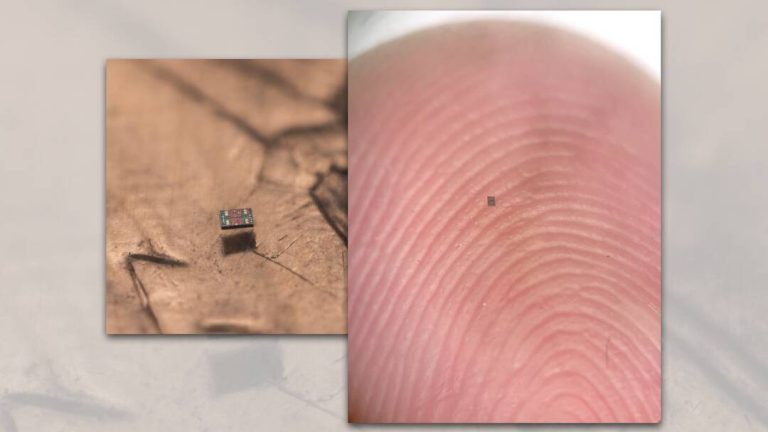
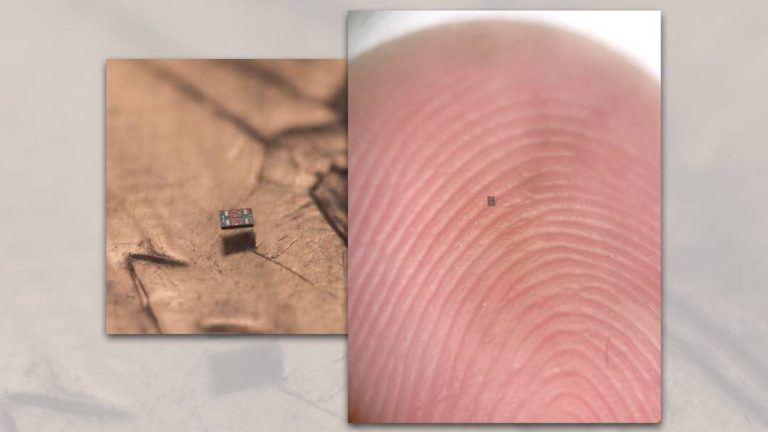
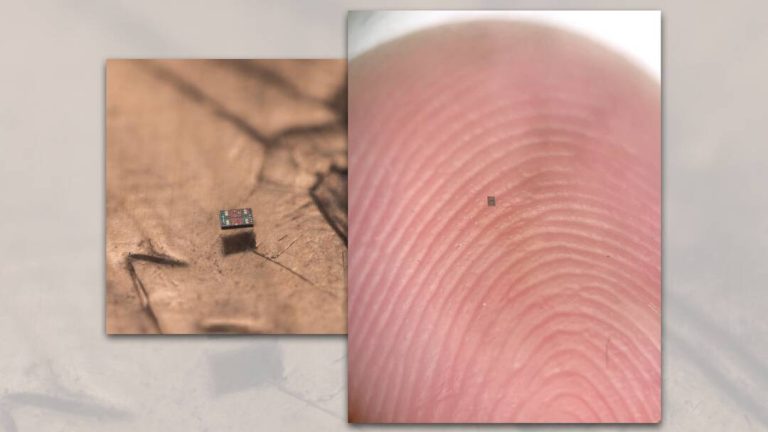
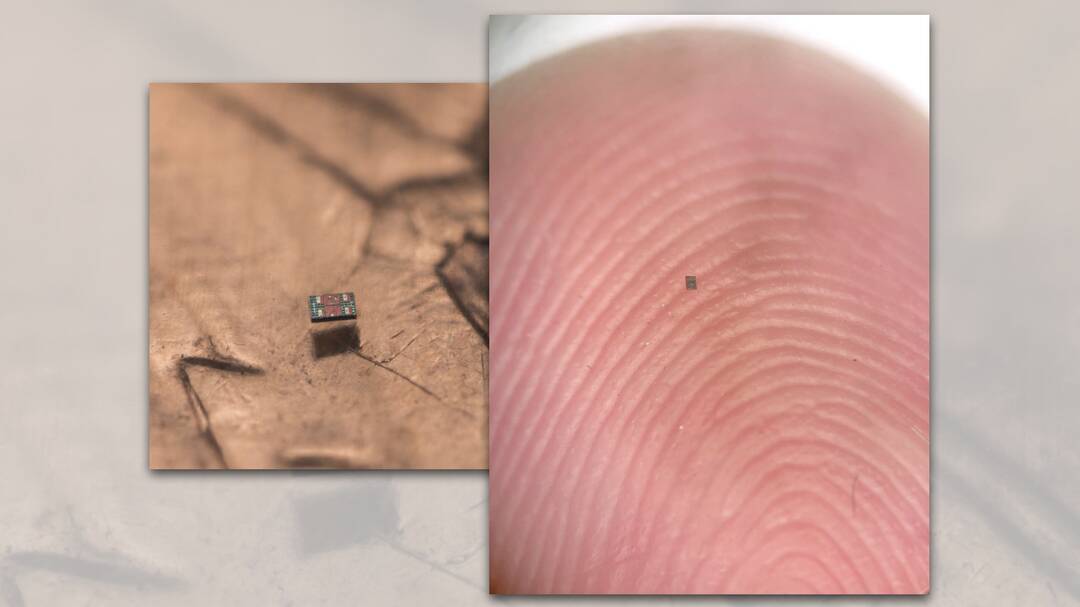
The robot, which measures a mere 0.2 by 0.3 by 0.05 millimeters, is barely visible to the naked eye. Despite its tiny size, the robot is fully programmable, allowing researchers to customize its behavior and actions. This level of programmability is a significant breakthrough, as it enables the robot to adapt to different situations and environments, making it an extremely versatile tool for a wide range of applications.
One of the most impressive aspects of this tiny robot is its ability to sense and respond to its surroundings. Equipped with advanced sensors, the robot can detect changes in its environment and adjust its behavior accordingly. This allows the robot to navigate through complex spaces and interact with other objects in a highly sophisticated way.
The development of these microscopic robots has significant implications for a wide range of fields, including medicine, engineering, and environmental science. For example, these robots could be used to deliver targeted medication to specific cells or tissues, or to navigate through narrow blood vessels to diagnose and treat diseases. They could also be used to monitor water quality, detect pollutants, or even clean up oil spills.
What’s more, the cost of producing these tiny robots is remarkably low, with each unit costing just one penny. This makes them an extremely affordable and accessible tool for researchers and industries, allowing for widespread adoption and deployment.
The researchers behind this breakthrough have shared pictures of the tiny robots, giving us a glimpse into the incredible world of microscopic machines. The images show the robots in various states of motion, navigating through fluids and responding to their surroundings.
The creation of these microscopic robots is the result of a collaborative effort between researchers from the Universities of Pennsylvania and Michigan. The team used advanced manufacturing techniques, including 3D printing and microfabrication, to create the tiny robots. They also developed sophisticated algorithms and control systems to program the robots’ behavior and actions.
The potential applications of these microscopic robots are vast and varied. They could be used to explore and interact with environments that are currently inaccessible to humans, such as the inside of cells or the surface of materials. They could also be used to develop new types of sensors, actuators, and other devices that can operate at the microscopic scale.
In addition to their potential applications, the development of these microscopic robots also raises important questions about the future of robotics and artificial intelligence. As robots become smaller and more sophisticated, they will be able to interact with their environment in increasingly complex and subtle ways. This could lead to new forms of human-robot interaction, as well as new challenges and risks associated with the deployment of autonomous machines.
Overall, the creation of the world’s smallest fully programmable and autonomous robots is a significant breakthrough that has the potential to revolutionize a wide range of fields. With their tiny size, advanced sensors, and sophisticated control systems, these robots are capable of interacting with their environment in unprecedented ways. As researchers continue to develop and refine these microscopic machines, we can expect to see new and innovative applications emerge, from medicine and engineering to environmental science and beyond.
For more information on this breakthrough, please visit: https://www.seas.upenn.edu/stories/penn-and-umich-create-worlds-smallest-programmable-autonomous-robots/
News Source: https://www.seas.upenn.edu/stories/penn-and-umich-create-worlds-smallest-programmable-autonomous-robots/
About the Author