Scientists create world’s smallest programmable robots, share pics
In a groundbreaking achievement, researchers from the Universities of Pennsylvania and Michigan have successfully created the world’s smallest fully programmable and autonomous robots. These microscopic swimming machines are capable of independently sensing and responding to their surroundings, paving the way for a new era of innovation in the field of robotics.
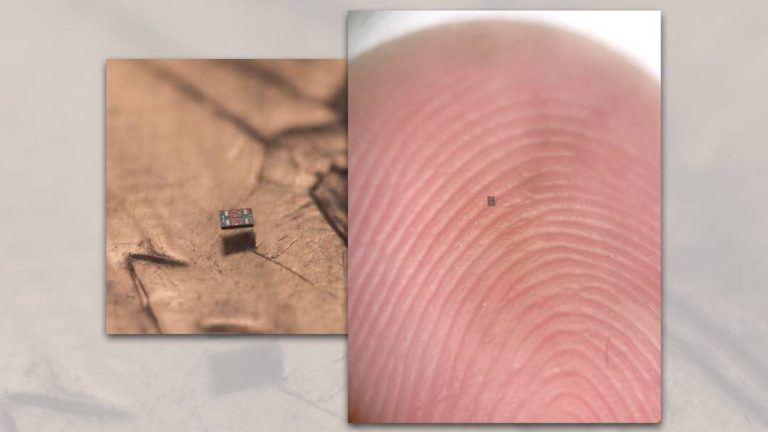
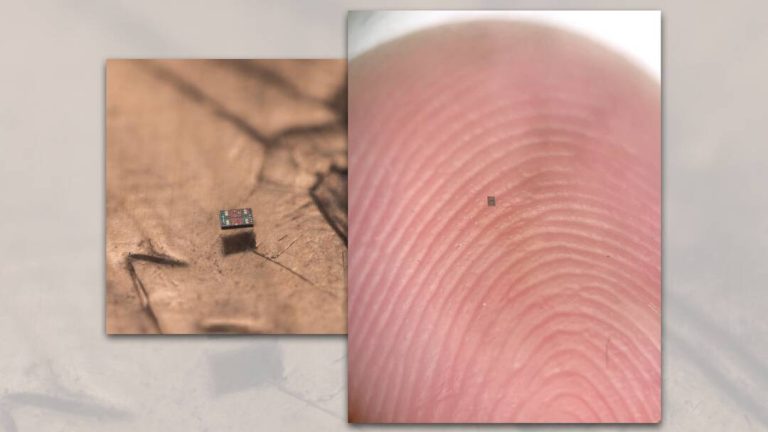
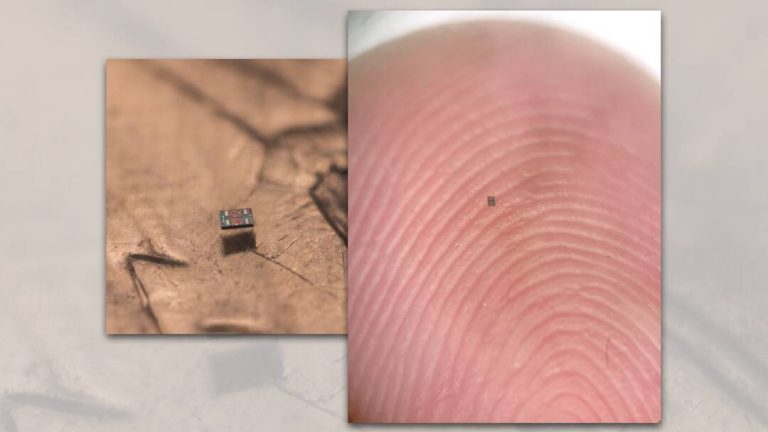
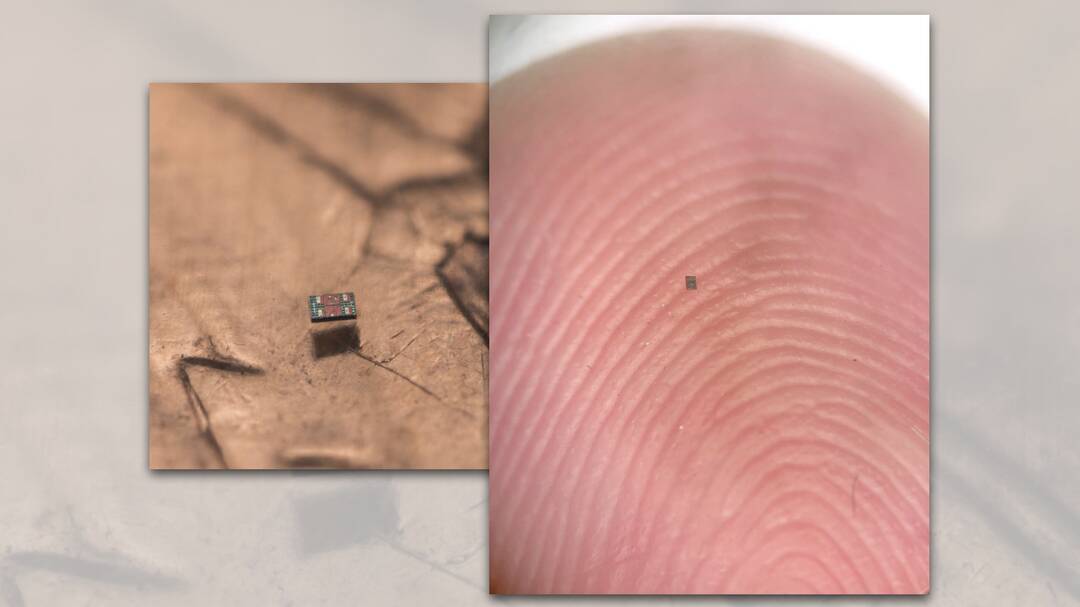
The robot, which measures a mere 0.2 by 0.3 by 0.05 millimeters, is barely visible to the naked eye. Despite its tiny size, this miniature marvel is fully programmable and can be controlled to perform a variety of tasks. The researchers behind this project have stated that these robots can “independently sense and respond to their surroundings,” making them a significant breakthrough in the development of autonomous systems.
One of the most remarkable aspects of these tiny robots is their cost. Each unit costs a mere penny, making them an extremely affordable and accessible technology. This could have significant implications for a wide range of applications, from medical research to environmental monitoring.
The robots are designed to swim through liquids, using a unique propulsion system that allows them to move through their surroundings with ease. This is made possible by a specialized coating that covers the surface of the robot, allowing it to interact with its environment in a highly controlled manner.
The potential applications of these tiny robots are vast and varied. They could be used to deliver targeted medication to specific areas of the body, or to monitor water quality in remote or hard-to-reach locations. They could even be used to explore and map the human body, providing valuable insights into the workings of our internal systems.
The researchers behind this project have shared pictures of the robots, giving us a glimpse into the incredible work that they are doing. The images show the robots in various states of operation, from swimming through liquids to interacting with their surroundings.
The development of these tiny robots is a testament to the power of human ingenuity and the rapid advancements being made in the field of robotics. As technology continues to evolve and improve, we can expect to see even more innovative and exciting developments in the years to come.
The collaboration between the Universities of Pennsylvania and Michigan has been instrumental in the development of these robots. By combining their expertise and resources, the researchers have been able to create something truly remarkable.
The implications of this technology are far-reaching and could have a significant impact on a wide range of fields. From medicine to environmental science, these tiny robots have the potential to revolutionize the way we approach complex problems and challenges.
As we look to the future, it will be exciting to see how this technology continues to evolve and improve. With the cost of each unit being so low, it is likely that we will see these robots being used in a wide range of applications, from research and development to commercial and industrial uses.
In conclusion, the creation of the world’s smallest fully programmable and autonomous robots is a significant achievement that has the potential to revolutionize a wide range of fields. With their tiny size, low cost, and highly advanced capabilities, these robots are poised to make a major impact on the world of science and technology.
For more information on this groundbreaking research, please visit the University of Pennsylvania’s website, where you can find in-depth articles and interviews with the researchers behind this project.
News Source: https://www.seas.upenn.edu/stories/penn-and-umich-create-worlds-smallest-programmable-autonomous-robots/
About the Author