What has NASA said about pollution & stubble burning in North India?
The issue of pollution and stubble burning in North India has been a persistent concern for several years, with the region experiencing severe air quality deterioration during the winter months. The primary culprit behind this environmental hazard is the practice of stubble burning, where farmers set fire to their crop residue after harvest, releasing large amounts of pollutants into the atmosphere. Recently, NASA has weighed in on the issue, providing valuable insights into the patterns and impact of stubble burning in North India.
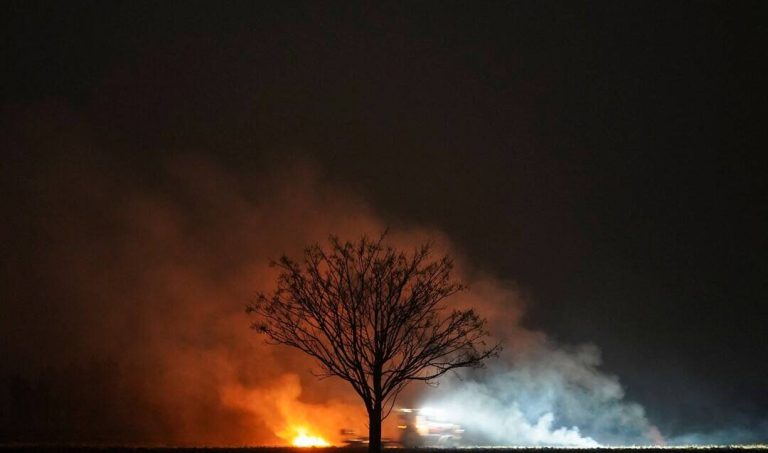
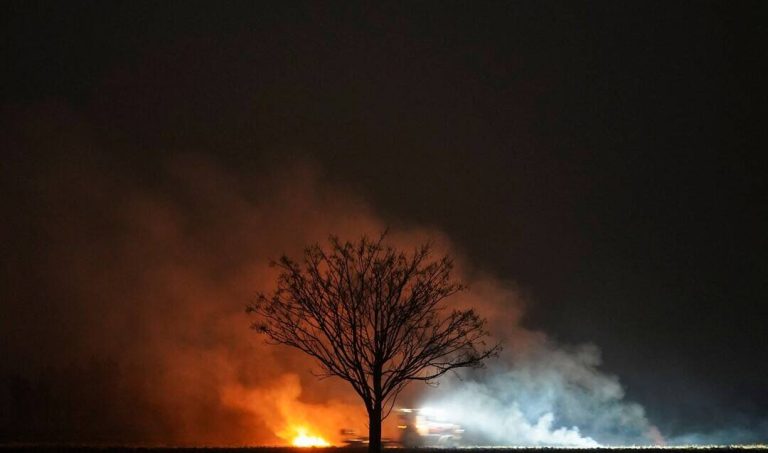
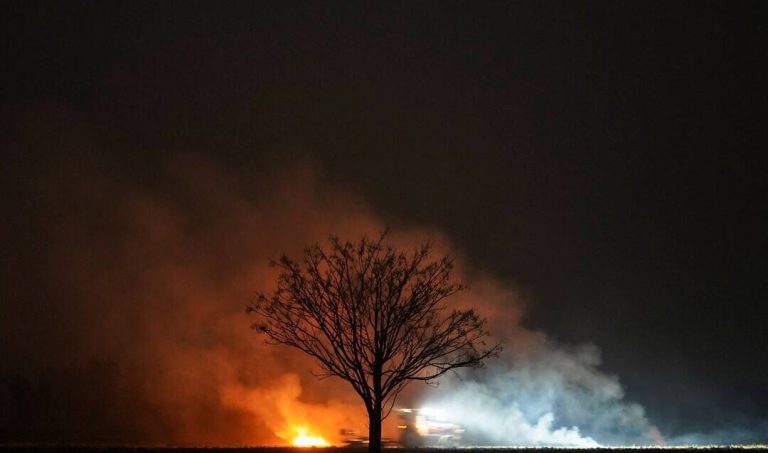
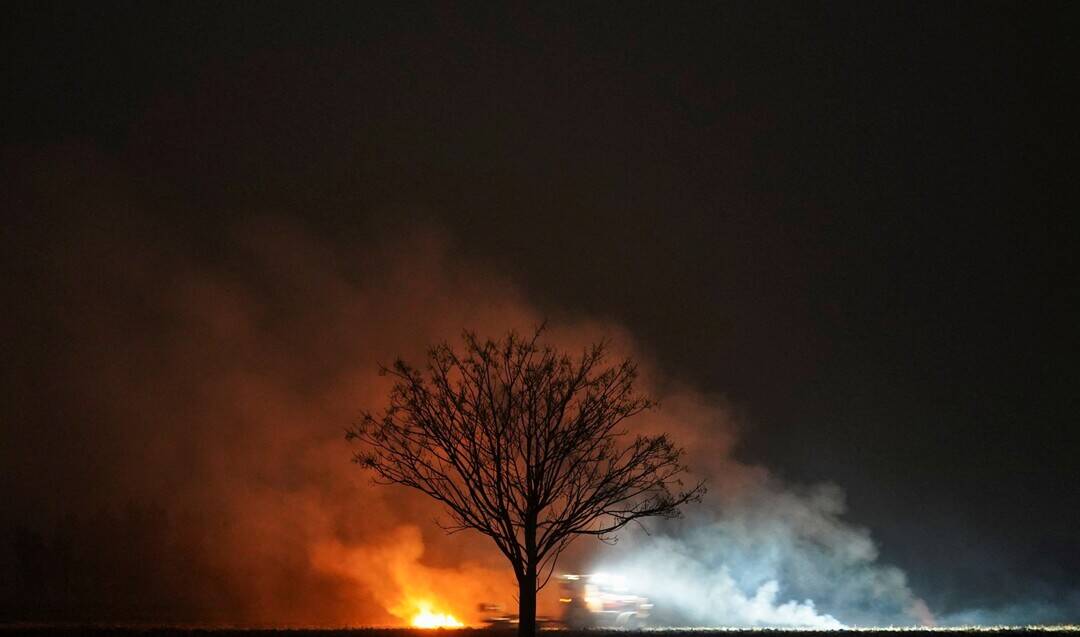
According to NASA, the overall pattern of the stubble-burning season in North India was as per predictions, with the usual surge in crop fires occurring in October. However, the space agency noted that the daily timing of these fires had shifted, with farmers now burning their crop residue later in the day. This change in timing has complicated efforts to monitor the fires and their impact on air pollution, as satellites and other monitoring systems are typically calibrated to detect fires during the daytime.
The shift in the daily timing of stubble burning has significant implications for air quality in the region. As the fires burn later in the day, the pollutants released into the atmosphere are more likely to linger overnight, leading to a prolonged period of poor air quality. This is particularly concerning for cities like Delhi, which is already notorious for its poor air quality. During the month of October, when crop fires intensified, the air quality in Delhi and nearby cities deteriorated significantly, posing a serious health risk to residents.
NASA’s observations are based on data from its satellites, which are equipped with advanced sensors to detect and track fires. The agency’s Earth Observing System has been monitoring the stubble-burning season in North India for several years, providing valuable insights into the patterns and trends of this practice. By analyzing the data from these satellites, NASA scientists are able to identify the timing, location, and intensity of crop fires, as well as their impact on air quality.
The issue of stubble burning in North India is complex and multifaceted, involving factors such as agricultural practices, economic constraints, and environmental regulations. While some farmers may view stubble burning as a convenient and cost-effective way to clear their fields, others are exploring alternative methods, such as mulching or incorporating the crop residue into the soil. However, these alternatives often require significant investments in equipment and training, which can be a barrier for small-scale farmers.
The Indian government has also taken steps to address the issue of stubble burning, including implementing bans on the practice and providing financial incentives for farmers to adopt alternative methods. However, the effectiveness of these measures has been limited, and the problem persists. NASA’s observations highlight the need for continued monitoring and research into the issue, as well as the development of effective strategies to mitigate the impact of stubble burning on air quality.
In addition to its impact on air quality, stubble burning also has significant implications for climate change. The practice releases large amounts of greenhouse gases, including carbon dioxide and methane, into the atmosphere, contributing to the global climate crisis. Furthermore, the destruction of crop residue through burning reduces the amount of organic matter in the soil, making it more vulnerable to erosion and degradation.
To address the issue of stubble burning, it is essential to adopt a comprehensive and multifaceted approach that involves farmers, policymakers, and other stakeholders. This could include providing financial incentives and technical support for farmers to adopt alternative methods, as well as implementing and enforcing effective regulations to prevent stubble burning. Additionally, there is a need for continued research and monitoring into the issue, to better understand the patterns and impacts of stubble burning and to develop effective strategies to mitigate its effects.
In conclusion, NASA’s observations on stubble burning in North India highlight the complexity and severity of the issue. The shift in the daily timing of crop fires has significant implications for air quality, and the need for continued monitoring and research into the issue is clear. By working together to address the root causes of stubble burning and to develop effective strategies to mitigate its impacts, we can reduce the environmental and health hazards associated with this practice and promote a more sustainable and equitable future for all.
News Source: https://science.nasa.gov/earth/earth-observatory/new-timing-for-stubble-burning-in-india/
About the Author