Scientists create world’s smallest programmable robots, share pics
In a groundbreaking achievement, researchers from the Universities of Pennsylvania and Michigan have successfully created the world’s smallest fully programmable and autonomous robots. These microscopic swimming machines are capable of independently sensing and responding to their surroundings, paving the way for a new era of miniature robotics.
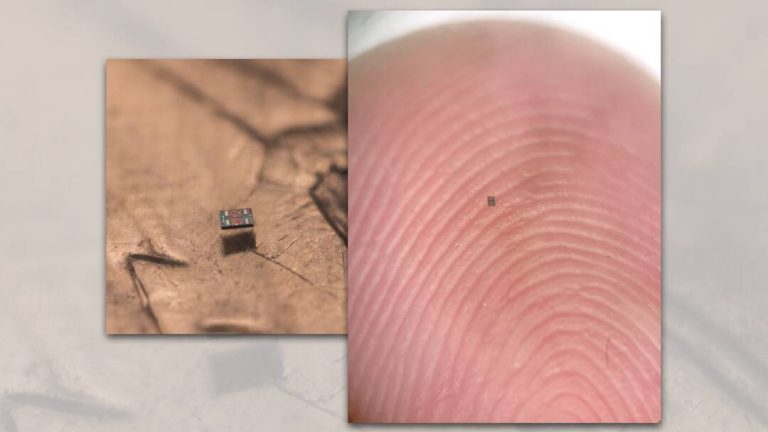
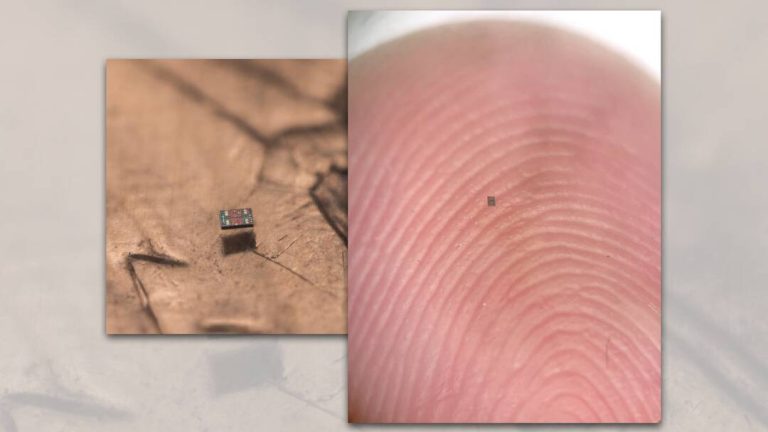
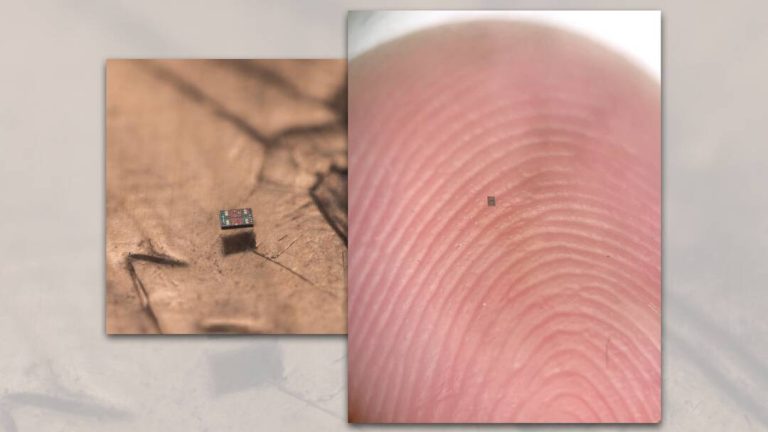
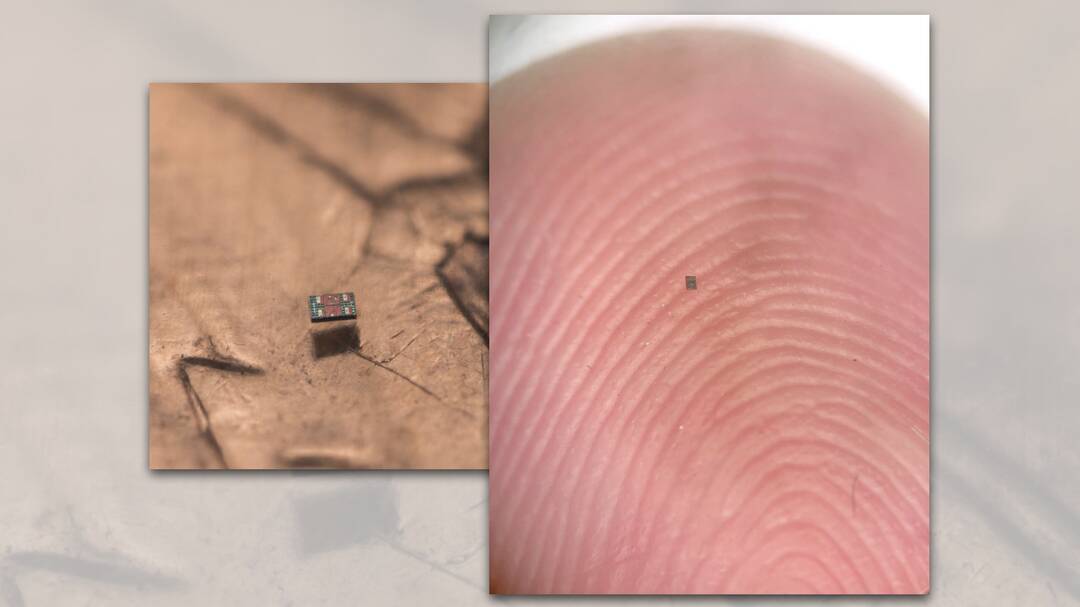
Measuring a mere 0.2 by 0.3 by 0.05 millimeters, these robots are barely visible to the naked eye. Despite their tiny size, they are incredibly sophisticated, with the ability to navigate through complex environments and perform tasks with precision. The best part? Each unit costs only a penny, making them an affordable and accessible technology for a wide range of applications.
The researchers behind this innovation have stated that these microscopic robots can be programmed to perform a variety of tasks, from swimming through fluids to interacting with their environment. They can even be designed to work together in swarms, allowing them to accomplish complex tasks that would be impossible for a single robot to achieve.
One of the key features of these robots is their ability to sense and respond to their surroundings. They are equipped with sensors that allow them to detect changes in their environment, such as changes in temperature, light, or chemical composition. This enables them to adapt and respond to their surroundings in real-time, making them highly versatile and effective.
The potential applications of these microscopic robots are vast and varied. They could be used in a range of fields, from medicine to environmental monitoring, and even in the development of new materials and technologies. For example, they could be used to deliver targeted medication to specific cells or tissues, or to monitor water quality in real-time.
The researchers have also shared pictures of these tiny robots, giving us a glimpse into the incredible world of miniature robotics. The images show the robots in action, swimming through fluids and interacting with their environment. They are a testament to the incredible advances that have been made in robotics and engineering, and demonstrate the potential for these technologies to transform a wide range of fields.
The creation of these microscopic robots is a significant achievement, and one that has the potential to revolutionize the field of robotics. By making robots smaller, cheaper, and more accessible, the researchers have opened up new possibilities for the use of robotics in a wide range of applications.
In the future, we can expect to see these robots being used in a variety of contexts, from medical research to environmental monitoring. They could even be used in the development of new materials and technologies, such as self-healing materials or smart surfaces.
The researchers behind this innovation are excited about the potential of these microscopic robots, and are already exploring new applications and uses for the technology. With their tiny size, low cost, and high level of programmability, these robots are set to make a big impact in the world of robotics and beyond.
In conclusion, the creation of the world’s smallest fully programmable and autonomous robots is a significant achievement that has the potential to revolutionize the field of robotics. With their tiny size, low cost, and high level of programmability, these robots are set to make a big impact in a wide range of applications. We can’t wait to see what the future holds for these incredible machines.
News Source: https://www.seas.upenn.edu/stories/penn-and-umich-create-worlds-smallest-programmable-autonomous-robots/
About the Author