Gangs of Gandhinagar’ misusing agencies: Congress on National Herald row
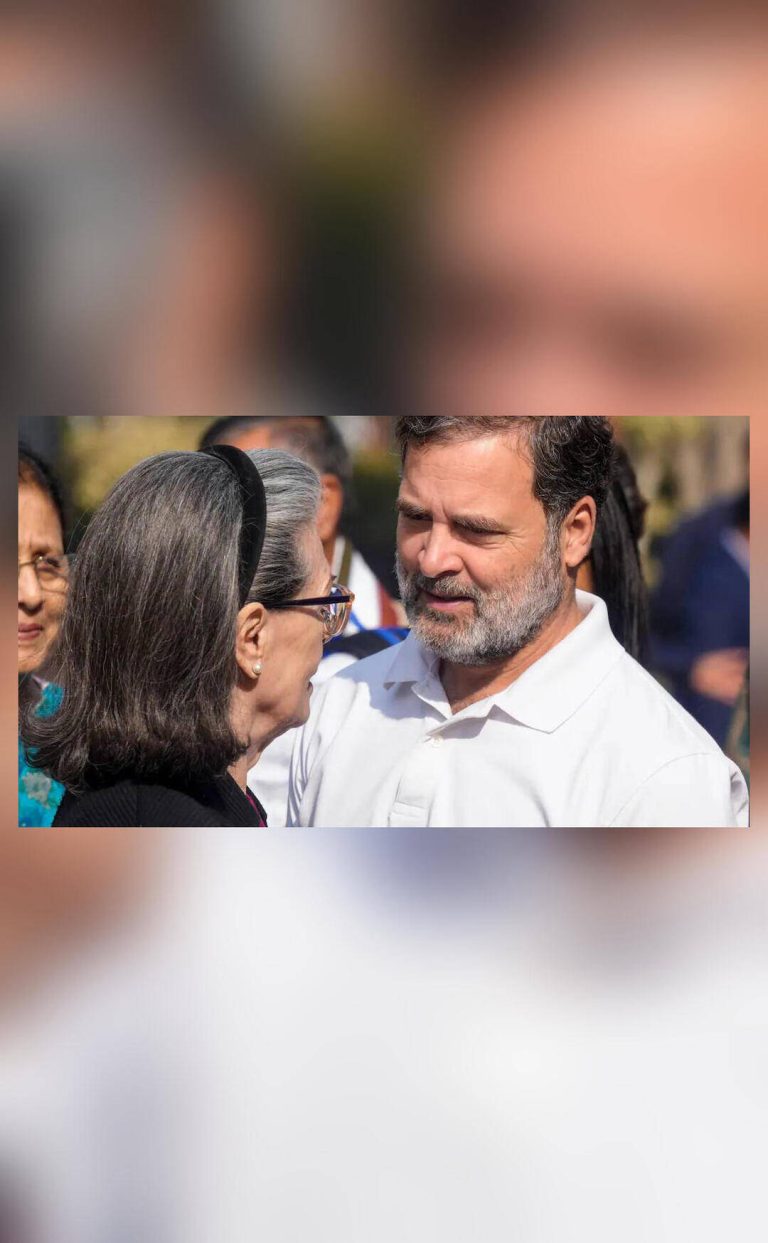
The National Herald case has been a long-standing controversy in Indian politics, with the Congress party and its leaders, Sonia and Rahul Gandhi, at the center of the storm. Recently, a Delhi court refused to take cognisance of the Enforcement Directorate’s (ED) money laundering case against the Gandhis, dealing a significant blow to the Central government’s efforts to prosecute them. The Congress party has seized on this development, alleging that the case was a blatant attempt by the Centre to target its leadership and silence its voice.
Congress spokesperson Pawan Khera was quick to react to the court’s decision, stating that “the gangs of Gandhinagar’s misuse of central agencies stands exposed today.” The term “gangs of Gandhinagar” is a clear reference to Prime Minister Narendra Modi and Home Minister Amit Shah, who are both from Gujarat and have been accused by the Congress of using central agencies to harass and intimidate their political opponents. Khera’s statement suggests that the Congress believes the ED’s case against the Gandhis was a politically motivated move, aimed at discrediting and demoralizing the party’s leadership.
The National Herald case dates back to 2012, when Subramanian Swamy, a BJP leader, filed a complaint against the Gandhis, alleging that they had misused party funds to acquire a stake in the National Herald newspaper. The complaint led to a lengthy investigation, which culminated in the ED filing a money laundering case against the Gandhis in 2022. However, the court’s decision to refuse cognisance of the case has raised questions about the validity of the ED’s charges and the motives behind the investigation.
The Congress party has consistently maintained that the National Herald case is a witch-hunt, aimed at targeting its leadership and undermining its credibility. The party has argued that the case is a classic example of political vendetta, with the Centre using its agencies to harass and intimidate its opponents. The use of terms like “gangs of Gandhinagar” by Congress leaders like Pawan Khera suggests that the party believes the BJP is using its power and influence to settle scores with its rivals.
The court’s decision to refuse cognisance of the ED’s case has been seen as a major setback for the Centre, which had been hoping to use the case to embarrass and discredit the Congress leadership. The decision has also raised questions about the independence and impartiality of the ED, which has been accused of being a tool of the Centre’s political agenda. The Congress party has demanded that the ED should be made accountable for its actions, and that the agency should be prevented from being used as a political instrument to settle scores with the Opposition.
The National Herald case has significant implications for Indian politics, as it highlights the dangers of using central agencies to settle political scores. The case has also raised questions about the role of the media in promoting transparency and accountability in governance. The Congress party has argued that the case is a classic example of how the Centre is using its agencies to stifle dissent and silence its opponents, and that the media has a critical role to play in exposing such abuses of power.
In conclusion, the National Herald case is a complex and contentious issue, with significant implications for Indian politics. The Congress party’s allegations of a conspiracy by the “gangs of Gandhinagar” to misuse central agencies have raised important questions about the independence and impartiality of these agencies. The court’s decision to refuse cognisance of the ED’s case has dealt a significant blow to the Centre’s efforts to prosecute the Gandhis, and has highlighted the need for greater transparency and accountability in governance. As the case continues to unfold, it will be important to watch how the Centre responds to these developments, and how the Congress party and other Opposition parties react to the Centre’s moves.
About the Author