What has NASA said about pollution & stubble burning in North India?
The issue of pollution and stubble burning in North India has been a persistent concern for several years, with the region experiencing severe air quality deterioration during the winter months. The primary culprit behind this pollution is the practice of stubble burning, where farmers set fire to their crop residue after harvesting, releasing large amounts of pollutants into the atmosphere. Recently, NASA has weighed in on the issue, providing valuable insights into the patterns and impact of stubble burning in North India.
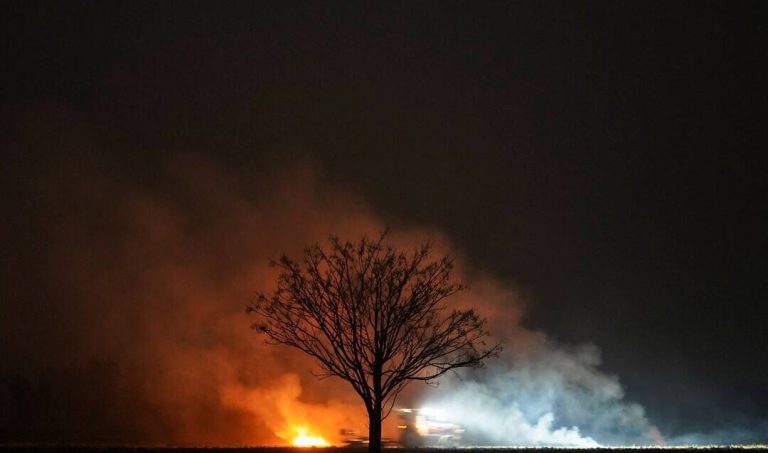
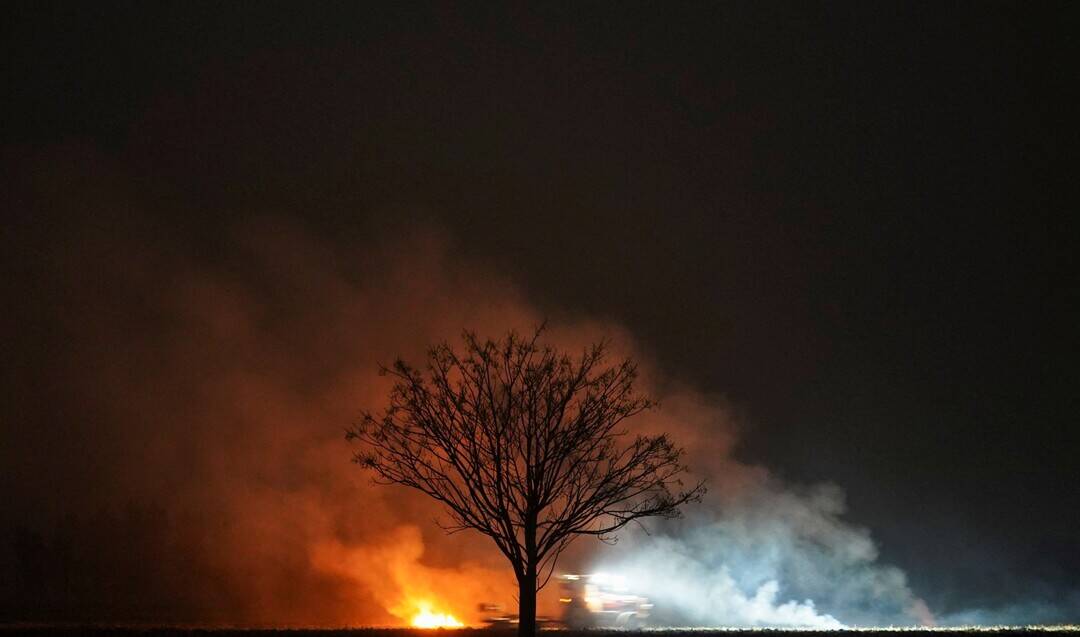
According to NASA, the overall pattern of the stubble-burning season in North India was as per predictions, with the usual surge in crop fires taking place in October. However, the daily timing of these fires has shifted, with farmers now burning their crop residue later in the day. This change in timing has complicated efforts to monitor the fires and their impact on air pollution, as satellites and other monitoring systems are typically designed to detect fires during the daytime.
The shift in the timing of stubble burning has significant implications for air quality in the region. As the crop fires intensify, the pollutants released into the atmosphere are carried by winds to nearby cities, including Delhi, which experiences severe air quality deterioration for about a month. The pollutants from stubble burning, including particulate matter, carbon monoxide, and volatile organic compounds, can have serious health impacts, ranging from respiratory problems to cardiovascular disease.
NASA’s observations on stubble burning in North India are based on data from its satellite systems, which are equipped with sensors that can detect fires and track their movement. The agency’s satellites have been monitoring the region for several years, providing valuable insights into the patterns and trends of stubble burning. By analyzing the satellite data, NASA scientists can identify the timing, location, and intensity of crop fires, which helps them understand the impact of stubble burning on air pollution.
The issue of stubble burning in North India is complex, with multiple factors contributing to the problem. Farmers in the region typically burn their crop residue after harvesting, as it is a quick and easy way to clear their fields for the next crop. However, this practice is not only harmful to the environment but also poses serious health risks to the people living in the region. The Indian government has implemented various measures to discourage stubble burning, including providing financial incentives to farmers who adopt alternative methods of crop residue management.
Despite these efforts, the problem of stubble burning persists, with many farmers continuing to burn their crop residue due to lack of awareness, economic constraints, or limited access to alternative methods. The situation is further complicated by the fact that stubble burning is not the only contributor to air pollution in North India. Other sources of pollution, including industrial emissions, vehicle exhaust, and construction activities, also play a significant role in deteriorating air quality in the region.
To address the issue of stubble burning and air pollution in North India, a multi-faceted approach is needed. This includes raising awareness among farmers about the harmful effects of stubble burning, providing them with alternative methods of crop residue management, and implementing policies to discourage the practice. Additionally, efforts are needed to reduce other sources of pollution in the region, including industrial emissions and vehicle exhaust.
In conclusion, NASA’s observations on stubble burning in North India highlight the complexity of the issue and the need for a comprehensive approach to address it. The shift in the timing of stubble burning, with farmers now burning their crop residue later in the day, complicates efforts to monitor the fires and their impact on air pollution. To mitigate the effects of stubble burning and improve air quality in the region, it is essential to adopt a multi-faceted approach that includes raising awareness, providing alternative methods of crop residue management, and implementing policies to discourage the practice.
Source: https://science.nasa.gov/earth/earth-observatory/new-timing-for-stubble-burning-in-india/
About the Author